00:00 / 03:05
00:00 / 03:05

Waiting Out the Storm at Trinity, Explained

Oppenheimer · 2023

Capítulo 19 de 28 · 3'05"

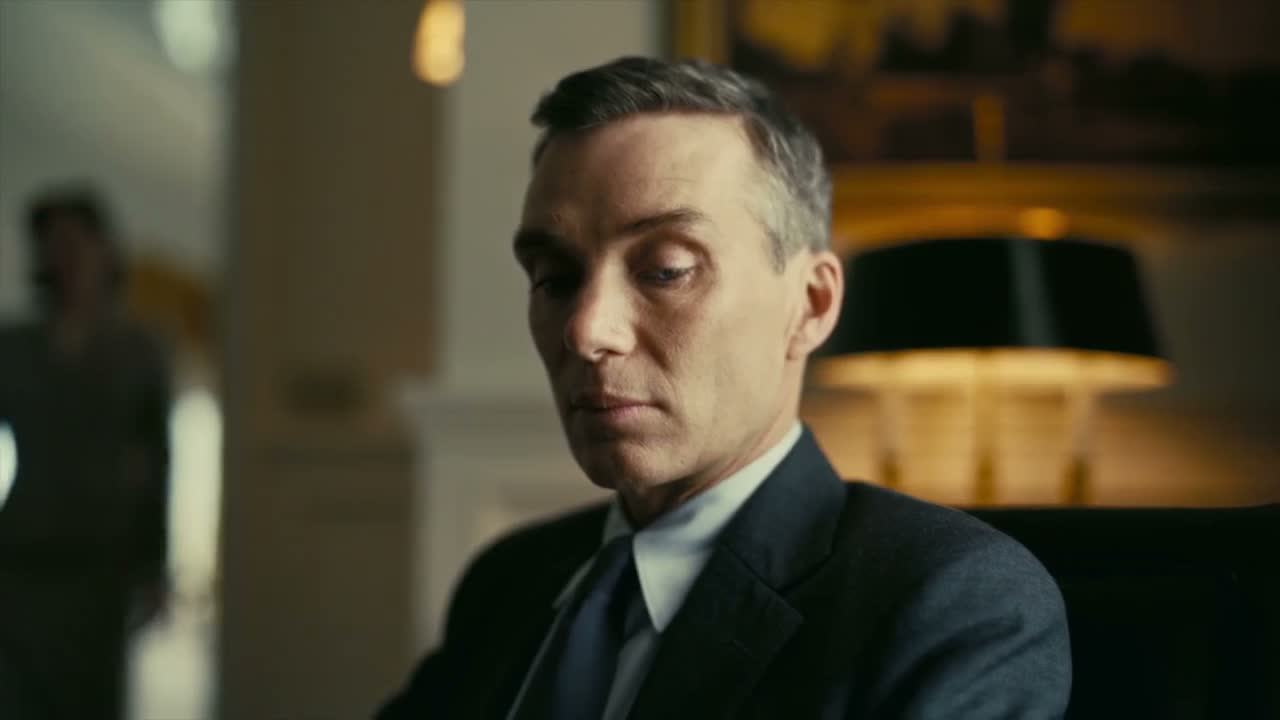
With the Trinity test hours away, a storm refuses to clear and the team fills the wait with bets and black jokes about setting the atmosphere on fire. The tension peaks when someone asks the real question: "are we saying there's a chance that when we push that button, we destroy the world?"

MeetingsSpeechesWarningExplainingCoworkersC1fastamericanClean

Key moments

Start here, then watch the full scene
  1. If You're Wrong, I'll Hang You

    1:27–1:55
    29s
  2. Could the Test Destroy the World

    2:16–3:03
    47s

Waiting Out the Storm at Trinity, explained

What happens

The night before Trinity, bad weather forces a hold and the crew pass the time with side bets on whether the atmosphere will ignite. A meteorologist promises the storm will break before dawn and signs his forecast, and Groves threatens to hang him if he is wrong. The scientists then confront the smallest chance the test could destroy the world.

What's really going on

The scene turns a weather delay into a meditation on dread. Everyone is waiting, and waiting is exactly when the mind goes to the worst case. So the men bet on the yield and joke about atmospheric ignition, and one of them calls it "gallows humor" — a way of touching the unthinkable without naming it. The real question surfaces anyway: whether pressing the button might destroy the world. The answer is that it is possible only as "the most remote possibility," and "chances are near zero." That is where the scene's black comedy bites. Near zero is not zero, and someone says as much: "Zero would be nice." The practical pressure is there too, with the window closing and Groves demanding a signed forecast, but the dread underneath is older and larger than any schedule.

Key lines & what they mean

“Wait, are we saying there's a chance that when we push that button, we destroy the world?”
The dread made explicit: the test might not just fail, it might end everything.
“If you're wrong, I'll hang you.”
Groves's threat, which makes the weather forecast a matter of personal responsibility.
“What do you want from theory alone?”
His reminder that theory cannot promise absolute certainty, only the best available answer.
“A month of my salary against ten bucks says it lights.”
A gambling line that turns the life-or-death uncertainty into a joke about odds.

Theme

  • Dark humor — The crew bet and joke about igniting the atmosphere to survive waiting for the test.
  • Philosophy — They face the tiny chance of destroying the world, and admit that near zero is not zero.

Qué aprendes en este capítulo

Puntos de enseñanza

Repasa justo después de ver
Mi nivel0/4

A1–C2 es la escala MCER. Las tarjetas por encima del nivel elegido se atenúan y la reproducción no se pausa en ellas.

Oppenheimer: tu progreso

Capítulo 19 de 28 · quedan unos 23 min

← Anterior
Siguiente · 20blood on my handsLa escena: Oppenheimer Meets President Truman

Preguntas frecuentes

La pregunta, luego la frase
What is Fermi's side bet about?

He is taking private bets on whether the test will ignite the atmosphere, treating the most catastrophic outcome as a gamble. Someone calls it gallows humor.

Why does Groves demand a signed forecast?

He wants someone accountable for the decision to go ahead. He tells the meteorologist that if the forecast is wrong, he will hang him.

What is the risk they discuss before the test?

They admit there is a chance the chain reaction never stops and sets the atmosphere on fire. They call it the most remote possibility and say the chances are near zero.

What does 'Zero would be nice' mean?

It rejects the comfort of near zero. The speaker wants the risk of destroying the world to be exactly zero, not merely very small.