
“Oh, don't be a smart ass. You know damn well what it is.”
Por qué es buena
Banter as a test of equals: cut the smart talk, you know exactly what it is.
Registro
Informal
Úsala tú
Oh, don't play dumb. You know exactly what I mean.
Capítulo 9 de 28 · 3'47"
Groves recruits Oppenheimer by listing every bad thing ever said about him, then they get into a fight about security and trust. Oppenheimer gives no ground: "I don't take anything on trust," and insists it is his job to say no. He ends with the line that wins the post.
I Don't Take Anything on Trust
❝ Monólogo · 6 frases Hate as the only head start
He turns a physics race into a political bet: Hitler’s antisemitism may starve the German lab of the people who could win it.
Colonel Groves meets Oppenheimer and offers him the job of project director. He runs through the bad reports first, from dilettante to suspected Communist, and the two argue about security versus speed. Oppenheimer refuses to give ground, then closes with a joke about not being able to run a hamburger stand.
The scene is a job interview built on insults, and both men know it. Groves says the worst things he has heard, not to reject Oppenheimer but to see how he takes it; the answer he likes is steadiness, not charm. Oppenheimer gives it. He will not accept the framing that his past disqualifies him, and he will not trade a little risk for a lot of delay. The disagreement about compartmentalization is the heart of it: one side wants secrecy, the other wants the whole problem visible to everyone who has to solve it. When Oppenheimer says, "It's my job to say 'no' to you when you're wrong," he is doing more than arguing — he is defining the partnership. The closing joke about the hamburger stand is the same move, and the last line seals it: "But I can run the Manhattan Project."
A1–C2 es la escala MCER. Las tarjetas por encima del nivel elegido se atenúan y la reproducción no se pausa en ellas.
“Oh, don't be a smart ass. You know damn well what it is.”
Banter as a test of equals: cut the smart talk, you know exactly what it is.
Informal
“Yet here you are. You don't take much on trust.”
Character described as method: he doesn't take much on trust.
Formal
“In a straight race, the Germans win.”
A verdict in six words: in a fair race, they win.
Formal
“It's my job to say "no" to you when you're wrong.”
Dissent reframed as duty: saying no isn't defiance, it's the job.
Formal
“But I can run the Manhattan Project.”
Self-deprecation cleaned up by one but: I can run the Manhattan Project.
Informal
Hitler called quantum physics "Jewish science." Said it right to Einstein's face. Our one hope is that Hitler is so... so blinded by hate that he's denied Heisenberg proper resources, because it'll take vast resources. Our nation's best scientists working together. Right now, they're scattered.
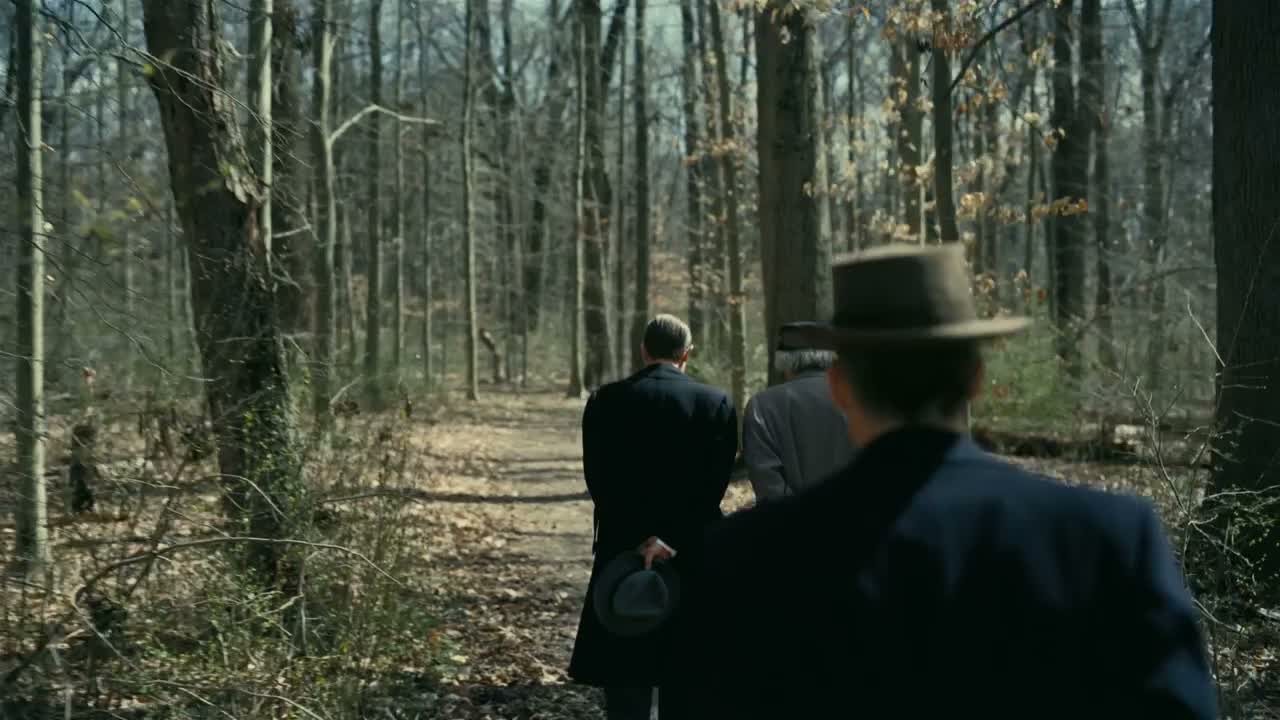 Siguiente · 10a point of no returnLa escena: Oppenheimer Asks Einstein About Doomsday
He is testing him. By naming the worst reports, from dilettante to suspected Communist, he wants to see whether Oppenheimer stays steady, and Oppenheimer does.
Security versus efficiency. Groves favors compartmentalization so that a leak cannot reveal the whole project, while Oppenheimer insists everyone must see the whole task to work well.
Oppenheimer means he does not accept claims without evidence. It is his answer to Groves's needling and a statement of how he will work if he takes the job.
Oppenheimer jokes that he cannot run a hamburger stand, then turns it around: he is still the man who can run the Manhattan Project, which is why the job becomes his.