00:00 / 01:35
00:00 / 01:35

Chevalier Suggests Passing Secrets, Explained

Oppenheimer · 2023

Capítulo 11 de 28 · 1'35"

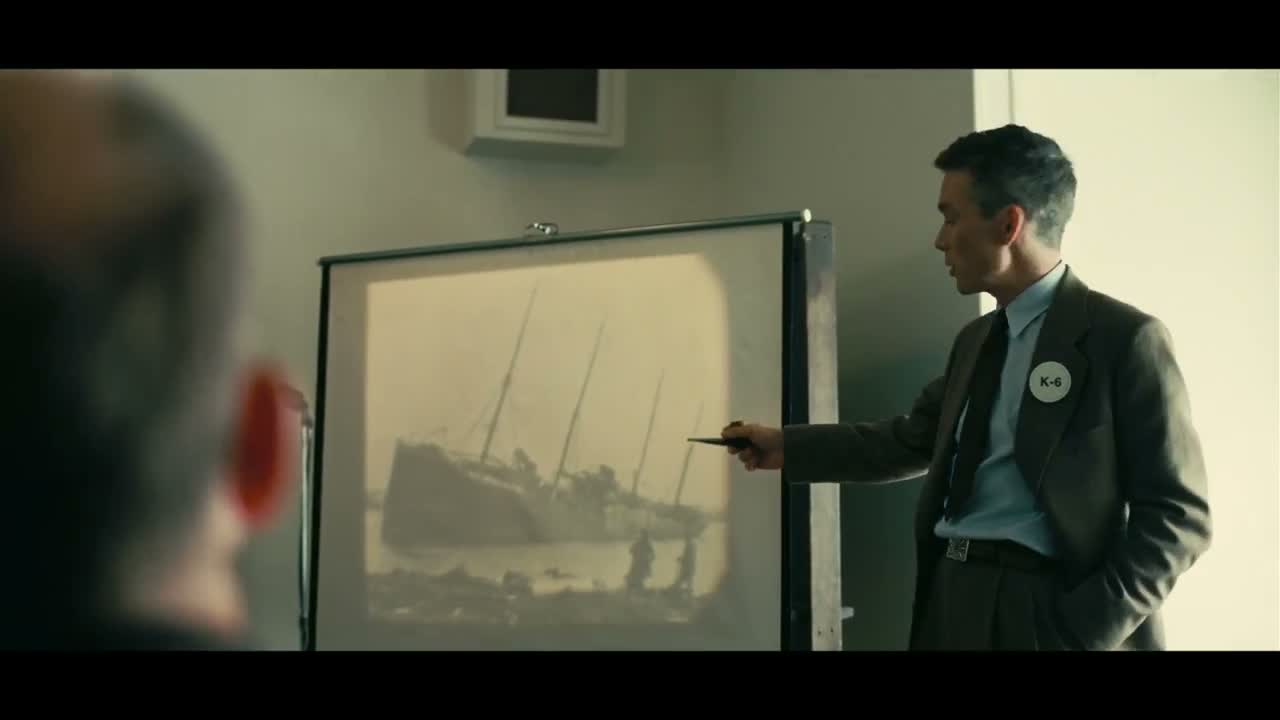
A friend drops by and mentions running into Eltenton, who complained that the government shares no research with its allies. Then comes the hint: if anyone had something to pass on, he could help route it around official channels. The answer is flat: "That would be treason."

Small talkOffice chatExplainingWarningFriendsC1mediumamericanClean

Key moments

Start here, then watch the full scene
  1. That Would Be Treason

    0:02–0:59
    57s
  2. ❝ Monólogo · 4 frases I Should Have Reported It

    1:12–1:34
    22s
  1. ❝ MonólogoThe hearing rewrite4 frasesPracticar ↗

Chevalier Suggests Passing Secrets, explained

What happens

Chevalier visits and, over drinks, describes running into Eltenton, who complained that America shares no research with its allies. He then hints that someone could pass information on outside official channels. Oppenheimer names it at once: that would be treason.

What's really going on

The scene is a soft approach dressed as gossip. A friendly visit, a drink, a story about a man the listener knows — and then the real offer, that anything could be passed on "going around official channels." The tell is how plainly the danger is named back: "That would be treason." No one argues and no one reports; the conversation just ends. The film returns to it much later, in testimony, where the same man admits, "It has long been clear to me that I should have reported this incident at once." A single unspoken hesitation becomes the hinge of a life.

Key lines & what they mean

“Apparently our government's not sharing any research with the Russians.”
The complaint that opens the approach: America is said to keep its research from its allies.
“It has long been clear to me that I should have reported this incident at once.”
His later admission that staying silent that night was a mistake he knew about all along.
“You know who I ran into the other day?”
A casual opener that sets up the approach as friendly gossip.
“I just thought you should know.”
A line that pretends to be a courtesy while handing over dangerous information.

Theme

  • Betrayal — A friendly conversation conceals an offer to pass secrets, which the listener recognizes as treason.
  • Secrets — The scene shows how classified work can be probed through casual talk and unofficial channels.

Qué aprendes en este capítulo

Puntos de enseñanza

Repasa justo después de ver
Mi nivel2/4

A1–C2 es la escala MCER. Las tarjetas por encima del nivel elegido se atenúan y la reproducción no se pausa en ellas.

Oppenheimer: tu progreso

Capítulo 11 de 28 · quedan unos 46 min

← Anterior
Siguiente · 12the business at handLa escena: Teller Pitches the H-Bomb

Preguntas frecuentes

La pregunta, luego la frase
What did Eltenton want to pass on?

Information, or anything someone wanted to send, outside the normal government route. He offered to help move it around official channels.

How does Oppenheimer react to the offer?

He calls it immediately: "That would be treason." He does not debate it, and the conversation ends there.

Did Oppenheimer report the approach right away?

No. He later admits in testimony that he should have reported the incident at once and that this was clear to him for a long time.

Why does the film return to this conversation later?

Because it becomes evidence about his judgment and loyalty. The one night he stayed silent is turned into a central charge against him.

What does Chevalier do in the visit?

He is the friendly messenger, bringing Eltenton's offer as gossip, which makes the approach harder to refuse than a direct request.