
“All I want... All I have ever wanted... is the quiet of a private life...”
Why it's great
The faltering repetition makes a modest wish sound like a quiet act of defiance.
Register
Neutral
Use it yourself
All I want is to live near my family.
Chapter 4 of 27 · 2'34"
Elinor and Edward talk privately about their futures. He would prefer a quiet parish and a private life, but his mother pushes him toward politics; he admits he has no real choice. Elinor answers that her position is the same — "Our circumstances are, therefore, precisely the same" — except that he will inherit, while she cannot even earn.
❝ Monologue · 5 lines Edward Describes the Life He Wants
Elinor and Edward Joke About Piracy
In the tree house, Edward and Elinor talk while Margaret is away. Edward thanks Elinor for helping with Margaret, invites her to walk with him, and jokes about being Margaret's badly treated servant on a voyage. The talk turns serious: Edward wants a quiet parish and a private life, but his mother wants him distinguished; Elinor notes that he will inherit, while she cannot earn.
The scene is a quiet reckoning of what each of them is allowed to want. Edward can name his ideal — 'a small parish where I might do some good' — but he cannot pursue it, because his mother's ambition and the family fortune decide his career. What makes the exchange moving is that Elinor refuses to let him claim suffering: she has no fortune, no profession, and no hope, so she turns his complaint around with 'Our circumstances are, therefore, precisely the same.' His only advantage, he admits, is that he will inherit, while she cannot even earn a living. The scene ends with a shared joke — 'Piracy is our only option' — which is the film's way of letting two sensible people laugh at a world that has left them no serious plan.
A1–C2 is the CEFR scale. Cards above the level you pick fade, and playback will not auto-pause on them.
“All I want... All I have ever wanted... is the quiet of a private life...”
The faltering repetition makes a modest wish sound like a quiet act of defiance.
Neutral
“Our circumstances are, therefore, precisely the same.”
It claims equality between two very unequal lives, offering solidarity rather than flattery.
Neutral
“Piracy is our only option.”
A deadpan joke that hides real helplessness behind an absurd plan.
Informal
“She prefers the army, but that is a great deal too smart for me.”
Calling smartness too much for him turns a barbed word into gentle self-mockery.
Neutral
“I've always preferred the Church...”
An understated preference that quietly sets aside his mother's whole plan.
Neutral
“Except that you will inherit your fortune.”
One except quietly exposes the gulf between their two futures.
Neutral
All I want... All I have ever wanted... is the quiet of a private life... but my mother is determined to see me distinguished. - As? - Anything. A great orator, a leading politician. A barrister would serve... as long as I drove a barouche and dined in the first circles.
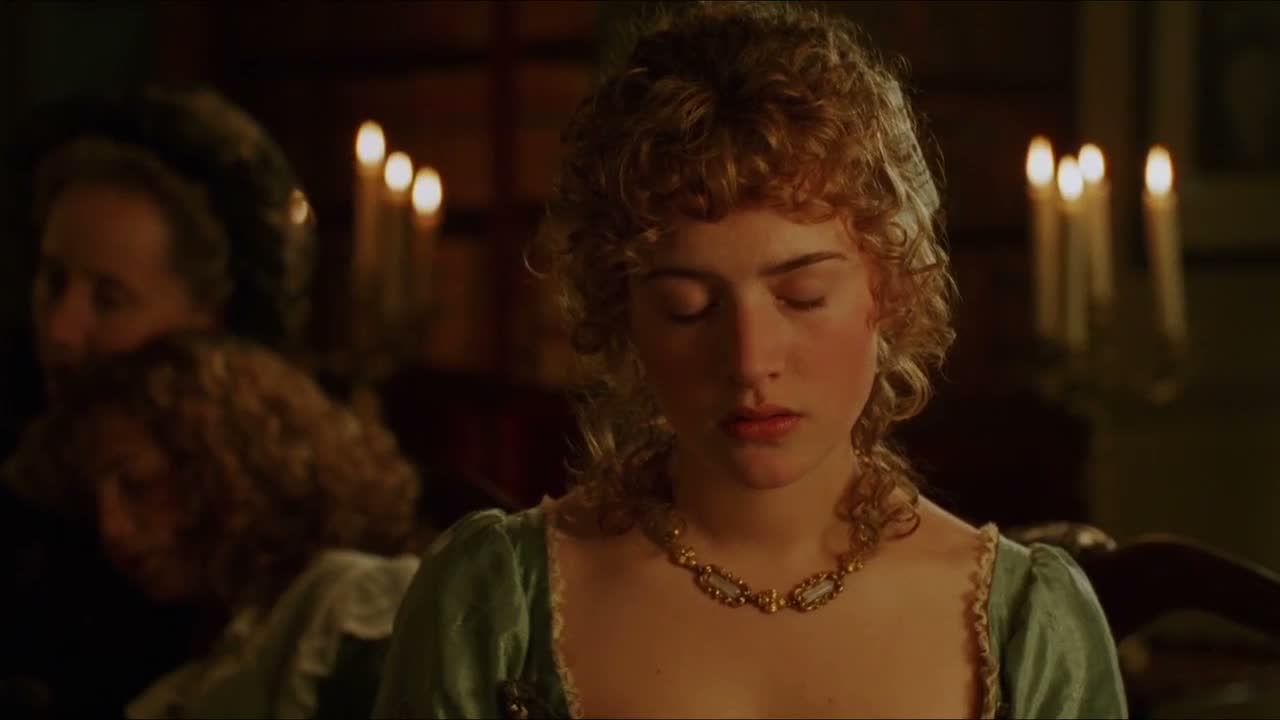 Up next · 05formed an attachmentThe scene: Marianne and Elinor Debate Love
Because his mother controls the family's expectations and his inheritance. She wants him to be distinguished, and she thinks the Church is not smart enough.
He would prefer the Church and a small country parish where he could do some good, keep chickens, and give short sermons.
Because she, too, has no choice of occupation and no hope of change. The difference is only that he will inherit his fortune, while she cannot even earn hers.
It is a very polite old-fashioned way of asking someone to grant a request, such as to walk or dance with you. Edward uses it to invite Elinor.
Because neither of them has a real choice about the future: she cannot earn and he cannot choose his career, so piracy seems like the only free option left.