
“It's different when you're in here.”
Why it's great
All the distance she used to keep collapses into the small word here.
Register
Neutral
Use it yourself
It's different when you're the one reading the complaint aloud.
Chapter 13 of 22 · 5'03"
She is cold in an interview room, answering whether she knows him and whether last week was consensual. Under that checklist she is fighting the word victim. "I want to be a survivor, but..." every question about hands and bite marks drags her back into a body she has to inventory.
❝ Monologue · 9 lines She Won't Wait to Report
Consented, But Only That Time
❝ Monologue · 8 lines Now You Need Us
A defence barrister is led into a police interview room, cold, dressed from a spare room. She can wait for a woman officer but wants it over with. She names Julian Brookes, a colleague, says she consented last time, then faces questions about the assault, her phone, and a shower that may have washed the evidence away.
She knows rooms like this only from video, feet up in chambers, outraged at the tricks police play. In here she is cold and shivering. She wants a woman officer but will not get the big officer offside; told she can come back later, she still wants it over with. She answers "Yes. Yes, he is known to me." Of last week she says "Yes, I consented. That time." She wants to be a survivor, not a victim, then faces questions about hands, pushing him away and fighting back, and cannot look at the officer. She had a shower straight after and says she washed everything away, then that he would call it consensual sex. One line says to wait till he gets a defence barrister. She says Julian is one, and, small voice, that she is one too. She cannot tell if his look is smug or sympathetic. What she hears next is "Ah! Now you need us though, don't you?"
A1–C2 is the CEFR scale. Cards above the level you pick fade, and playback will not auto-pause on them.
“It's different when you're in here.”
All the distance she used to keep collapses into the small word here.
Neutral
“'Yes, I consented. That time.'”
She grants the earlier yes, then slams a gate so it cannot cover this night.
Formal
“I don't want to be a victim, damaged. No. No. I want to be a survivor, but...”
She pushes damaged away out loud, and the but shows the sentence already slipping.
literary
“'He would just say... He would just say that it was consensual sex, won't he?'”
Repeating the guess lets us hear her write his defence before he speaks.
Informal
“'Ah! Now you need us though, don't you?'”
It sounds like an offer of help until though turns her own profession into the joke.
Informal
I was led into an interview room. I've only ever seen video footage of rooms like this one – watching my client's interrogation with my feet up on the desk in chambers. All my sass and outrage at the tricks the police play. It's different when you're in here. I'm cold, shivering. Skirt, top, sandals. Dressed from the spare room. I want to ask for a woman, I need to, but I don't want to get the big officer offside.
'It might not come up with much because I... 'I had a shower straight after.' Oh, my God! I am a... I am a fucking idiot! 'I've had a shower. I've washed everything away. I mean... 'What if he says we did not have sex? How can I prove...? No. 'No. He's not that stupid. He would have to admit to that fact, surely? 'He would just say... He would just say that it was consensual sex, won't he?'
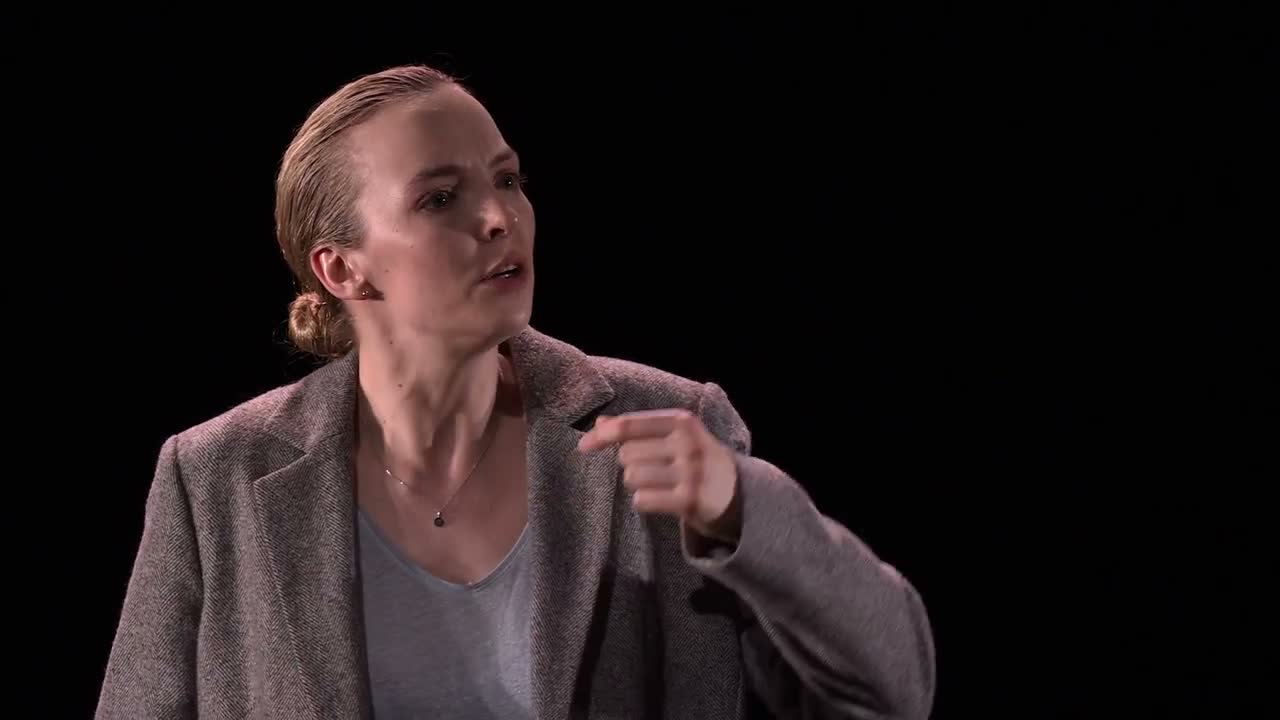 Up next · 14in the hands ofThe scene: Tessa Agrees to Testify
He tells her she can come back when the sexual assault unit is on, or when a woman is on duty. She says she wants to get it over with. The chance to wait is offered, and she does not take it.
She wants to ask for a woman, and she says she needs to, but she does not want to get the big officer offside. The request stays unsaid. What she puts into words is the risk of turning him against her.
She answers, "Yes. Yes, he is known to me." The next line names him: "Julian Brookes." This line only records that she knows him. It does not say they work together; that comes after the name.
She says that last week they had sex, that it was at work, then that it was after hours, in his office. After that she says, "Yes, I consented. That time." The yes stays, and "that time" keeps it to that one occasion.