00:00 / 02:25
00:00 / 02:25

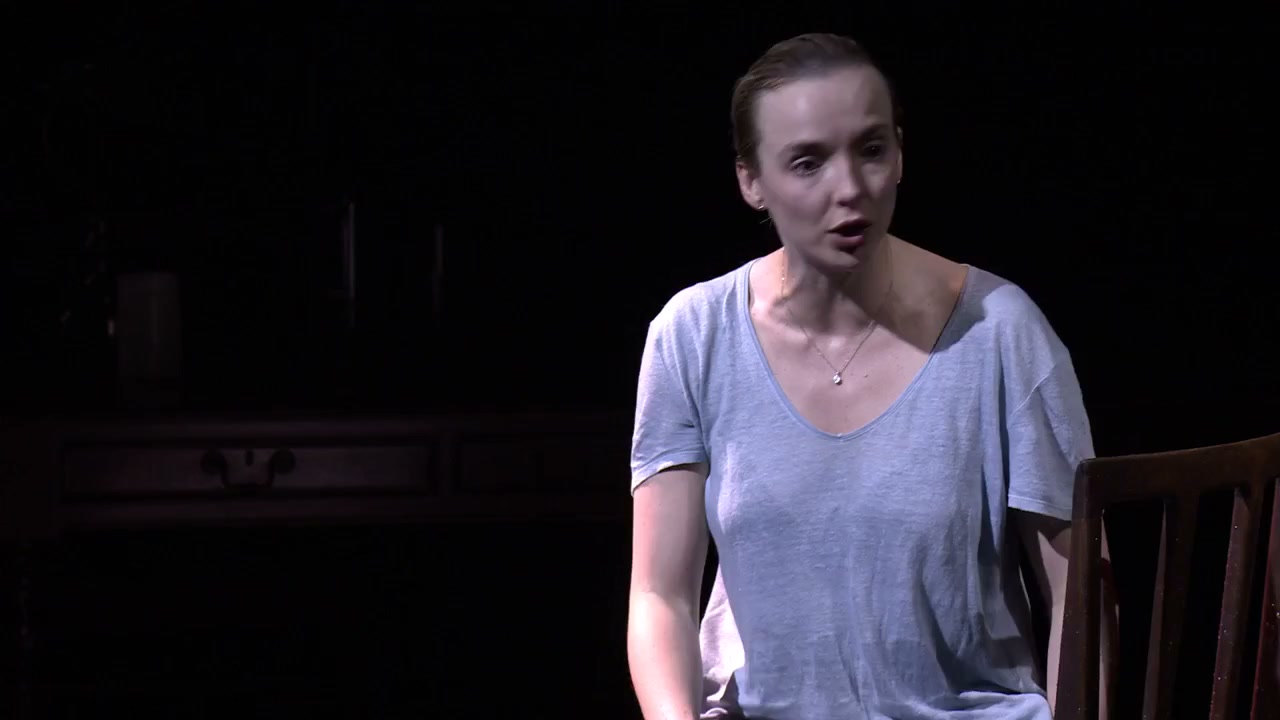
Tessa Enters Court Without Armour, Explained

A barrister walks back into Inner London Crown Court with no lawyer's ID and no easy pass. The alarms, the lift, and a windowless room strip the usual confidence. "Same court, no armour" names what is left once the wig and robe are gone, while she waits to see whether, before the law, there is justice.

CourtroomMonologuesExplainingConfessingC1slowbritishClean

Key moments

Start here, then watch the full scene
  1. No Armour at the Court Door

    0:20–1:05
    45s
  2. ❝ Monologue · 7 lines The View From This End

    1:32–2:24
    51s
  1. ❝ MonologueA plea from this seat7 linesPractice page ↗

Tessa Enters Court Without Armour, explained

What happens

Tessa Ensler passes security at Inner London Crown Court with no lawyer's ID. The alarm rings, she removes her shoes, and a handheld detector swipes her. She sees black robes and wigs, puts her head down, then takes the lift with witness support into a windowless room. She waits. Richard Lawson enters in silk robes and a wig to run the case, after adjournments and paperwork that weigh her down.

What's really going on

The monologue keeps naming each step, from the bag on the belt to the nails dug into the wrists. The building is the same, and that is the shock. "Same court, no armour" puts the missing wig and robe against the alarm, the shoes coming off, and the witness support service in the lift. Horsehair wigs lean together in confident chatter. One line asks, "Did one of them see me?" The next line is "Head down." Three years at university, one year at bar school and seven years of practice are set beside a need to hold on: "Believe that you will show me that before the law, there is justice." The seat changes the picture. "You look so different from this end, from this seat in this windowless room." Richard Lawson, well respected and knowing the law, comes in wearing silk robes and a wig, ready to run the case. After the adjournments and the paperwork, she is frustrated and weighed down by it.

Key lines & what they mean

“This is what it feels like. Same court, no armour.”
The courthouse has not changed, but the wig and robe that once worked as protection are gone. This is the feeling of standing there without that shell.
“This is me, Tessa Ensler. This time, no barrister's wig, no robe.”
She states her name inside the court and marks the change. This time she has neither the barrister's wig nor the robe.
“This is me, digging my nails into my wrists.”
The calm list of movements breaks into a body under strain. Nails in the wrists show the pressure as she heads toward the lift and the floor.
“Believe that you will show me that before the law, there is justice.”
After the years of training, she needs proof she was not mistaken. She asks the law she is facing to show that justice is still there.
“But I am here and you look so different from this end, from this seat in this windowless room.”
From the chair in the windowless room, the law she is addressing no longer matches the view she had when she moved through this building in professional dress.

Theme

  • Justice — Years of training sit beside a demand to be shown that before the law there is justice, even from a windowless seat where the court looks different.
  • Identity — This is me repeats through security with no wig and no robe, a self watched from the outside and from a chair in a windowless room.

What this chapter teaches

Teaching points

Review right after watching
My level0/8

A1–C2 is the CEFR scale. Cards above the level you pick fade, and playback will not auto-pause on them.

National Theatre Live: Prima Facie: your progress

Chapter 12 of 22 · about 34 min to go

← Previous
Up next · 13get someone offsideThe scene: Tessa's Police Interview

People also search

Questions, then the lines
Why is there no easy pass at security this time?

One line states it plainly: this time there is no lawyer's ID and no easy pass. The alarm rings, the shoes come off, and a handheld metal detector does the check. The same passage also notes there is no barrister's wig and no robe, and the walk to the lift is with the witness support service.

Why does someone look down among the barristers?

Horsehair wigs lean in toward each other among black robes, paper, folders, and confident chatter. One line asks, "Did one of them see me?" The reply is "Head down."

Who comes in ready to run the case?

The prosecutor, named in the room as Richard Lawson. He is called well respected, and the line says he knows the law. He enters in silk robes and a wig at Inner London Crown Court, ready to run the case after the adjournments and the paperwork.

What belief is she still trying to keep?

She needs to know she was not mistaken, that she can still believe, trust, and hold on. One line asks to be shown that before the law there is justice. From the seat in the windowless room, that same you already looks different.