
“Do you have any last words before you die, Quilty?”
Why it's great
It asks a courteous question about dying, and that calm is what makes it terrifying.
Register
Neutral
Use it yourself
Do you have any last words before we sign this deal?
Chapter 2 of 30 · 4'20"
Humbert has come to kill Clare Quilty and makes him read a poem first. "Do you have any last words before you die, Quilty?" Quilty, drunk and unarmed, treats the whole thing as a bit of theatre, stalling with jokes until the shots finally come.
Humbert Asks for Last Words
Quilty Stalls for His Life
❝ Monologue · 13 lines The host's wild pitch
He escalates from offering rooms to offering executions, burying his fear in a torrent of sales talk.
The final confrontation. Humbert Humbert arrives at Quilty's house with a gun and forces the drunk playwright to read aloud a poem that is really a death sentence. Quilty jokes, quotes back at him, and proposes they settle things like civilized people, but Humbert asks whether he wants to die standing or sitting.
The scene pretends to be a duel and is really an execution with only one participant. Quilty has no gun and no way out, and he knows it: "I'm a playwright, you know. I know all about this sort of tragedy." His answer to the question of how he wants to die — "I want to die like a champion" — is both a joke and the closest thing to dignity he can manage. Humbert keeps the poem between them like a verdict, reading the charges for a crime he can never fully name, while Quilty keeps talking, offering furnishings, songs, executions, anything to stay alive. The comedy is that Quilty is still performing for an audience of one, and the horror is that the audience has come to shoot him.
A1–C2 is the CEFR scale. Cards above the level you pick fade, and playback will not auto-pause on them.
“Do you have any last words before you die, Quilty?”
It asks a courteous question about dying, and that calm is what makes it terrifying.
Neutral
“This pistol-packing farce is becoming a sort of nuisance.”
Calling a murder a pistol-packing farce and a nuisance makes the danger sound routine.
literary
“I want to die like a champion.”
He picks a dignified way to die, and that absurd pride is what sticks.
Informal
“Listen, captain, why don't you stop trifling with life and death?”
It turns a gunman into someone being gently scolded, which flips the power for a beat.
Formal
You know, this house is roomy and cool. You see how cool it is. I intend moving to England or Florence forever. You can move in. I've got some nice friends who could come and keep you company. You could use them as pieces of furniture. There's one guy who looks just like a bookcase. I could fix for you to attend executions. How would you like that? Just you there, nobody else, just watching. Watch. Do you like watching, captain? Because not many people know that.... That the chair is painted yellow. You'd be the only guy in the know. Imagine! Your friends, you could tell them....
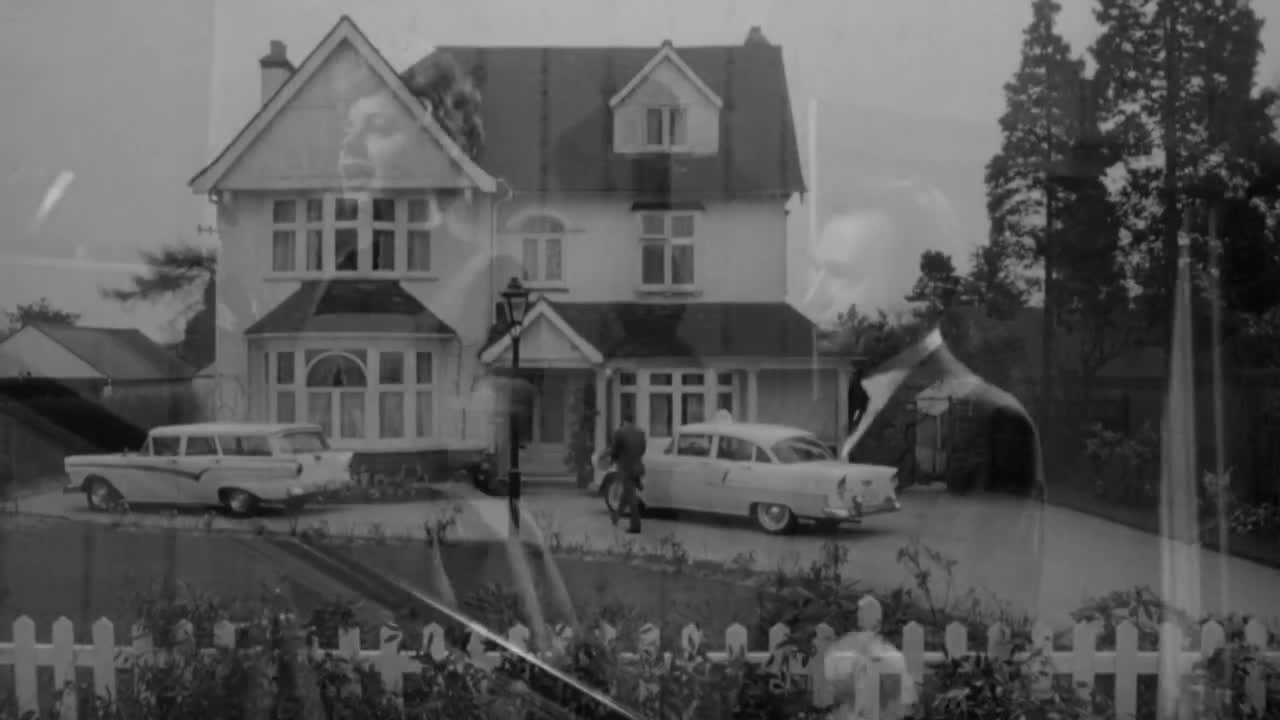 Up next · 03Happily divorcedThe scene: Charlotte Shows Humbert the House
The poem is the charge sheet. Its lines accuse Quilty of taking advantage of someone weaker, and Humbert wants him to hear the crimes aloud before he is shot.
He is drunk, unarmed, and out of options. Joking is the only power left to him, and it also keeps Humbert talking, which is the closest thing to stalling.
It is a throwaway joke: handed a poem, Quilty pretends it might be a property document instead. He uses it to act unimpressed and unmoved by the threat.
He knows enough. He calls the visit a farce, mentions Humbert's drinking and his own sickness, and tries to bargain — but he never offers the one thing that might save him.
The playwright who took Dolores from Humbert and left her. Humbert has tracked him down, and this scene is the end of that hunt — the killing that closes the film.