
“Why did you have to wake me? I only just got to sleep.”
Why it's great
The complaint rides on a反问, and only just makes the lost sleep feel freshly stolen.
Register
Informal
Use it yourself
Why did you have to ring now? I only just got home.
Chapter 19 of 30 · 3'04"
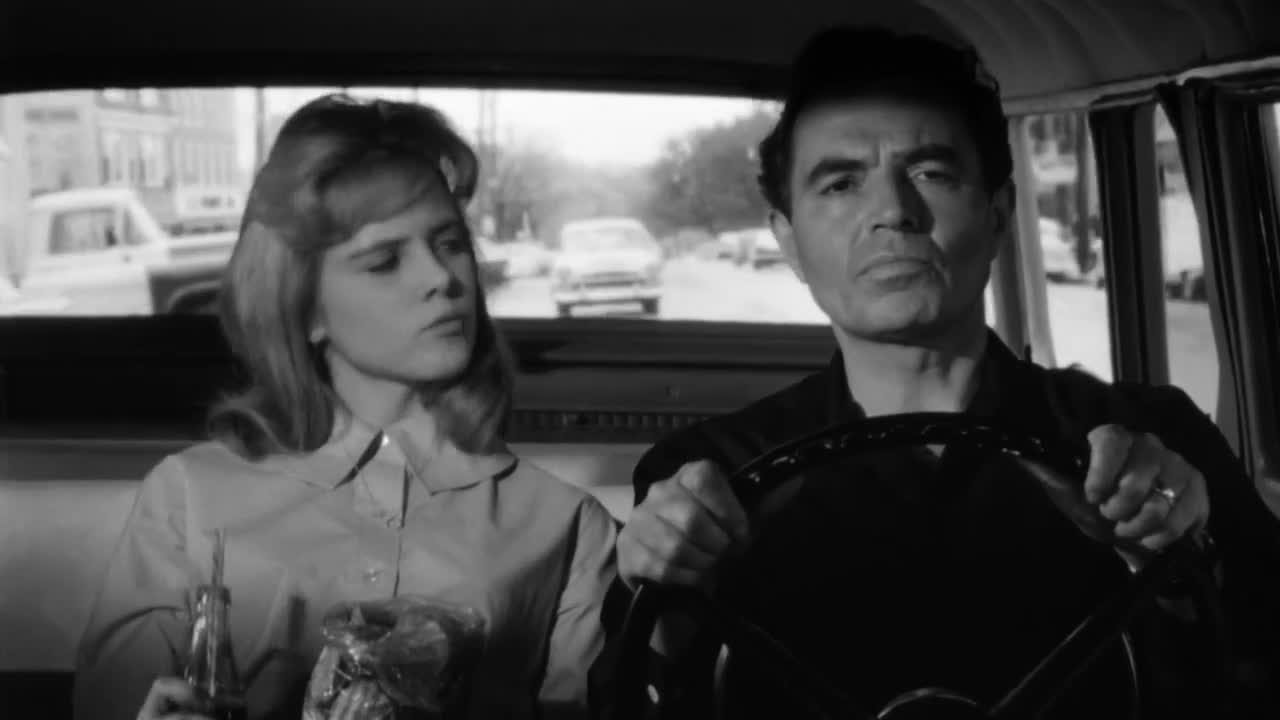
A playful morning turns uneasy. Lolita wakes Humbert with a fake fire alarm, then the pillow talk slides from suntans and shaving to a game she learned at camp with Charlie. "It's not tiddlywinks and it's not Russian roulette," she says, making clear what she means—and that Humbert is not her first.
Lolita's Fake Fire Alarm
Shaving and Room Service
The Game She Learned at Camp
On their first morning at the hotel, Lolita wakes Humbert by pretending the hotel is on fire. They lounge in bed, comparing tans and talking about shaving. When Humbert tells her to ring down for breakfast, she instead proposes a "game" she played at camp with a boy named Charlie.
The scene looks like harmless banter, but every joke is doing work. Lolita's fake fire alarm shows she can yank Humbert around for fun, and her chatter about tans and shaving keeps him off balance. The real blow lands when she mentions a camp "game": "It's not tiddlywinks and it's not Russian roulette," which leaves no doubt what she did with Charlie. She is not the innocent Humbert wants, and she says so almost casually—"You mean, you never played that game when you were a kid?" The line mocks his age and his denial at once. Humbert's jealous questions, "Charlie? Who's he?", come too late and expose how little control he actually has.
A1–C2 is the CEFR scale. Cards above the level you pick fade, and playback will not auto-pause on them.
“Why did you have to wake me? I only just got to sleep.”
The complaint rides on a反问, and only just makes the lost sleep feel freshly stolen.
Informal
“...because all the best people shave twice a day.”
It dresses a private habit up as a class marker, and the straight face sells the joke.
Informal
“Well, it's not tiddlywinks and it's not Russian roulette....”
By pairing a children's game with a deadly gamble, she hints at something far heavier without naming it.
Informal
“You mean, you never played that game when you were a kid?”
The question feigns surprise while cornering him: not knowing the game is the whole point she is testing.
Informal
 Up next · 20cut it outThe scene: Humbert Tells Lolita Her Mother Died
It is a prank to wake Humbert. It shows how comfortable and in charge she feels, and sets the playful-but-controlling tone of the morning.
She means sex, which she says she learned at camp with a boy named Charlie. She never names it, only rules out tiddlywinks and Russian roulette.
The mention of Charlie shows Lolita is not the inexperienced child he imagines. His jealousy and surprise reveal how much he needs that illusion.
A boy Lolita met at summer camp and later points out as someone Humbert has already seen in the office, which makes the revelation sting more.
Yes. Her talk of the "game", her teasing about his age, and her refusal to play innocent suggest she understands the situation better than he would like.