00:00 / 02:59
00:00 / 02:59

Bruhl and Anderson Team Up, Explained

Deathtrap · 1982

Chapter 24 of 30 · 2'59"

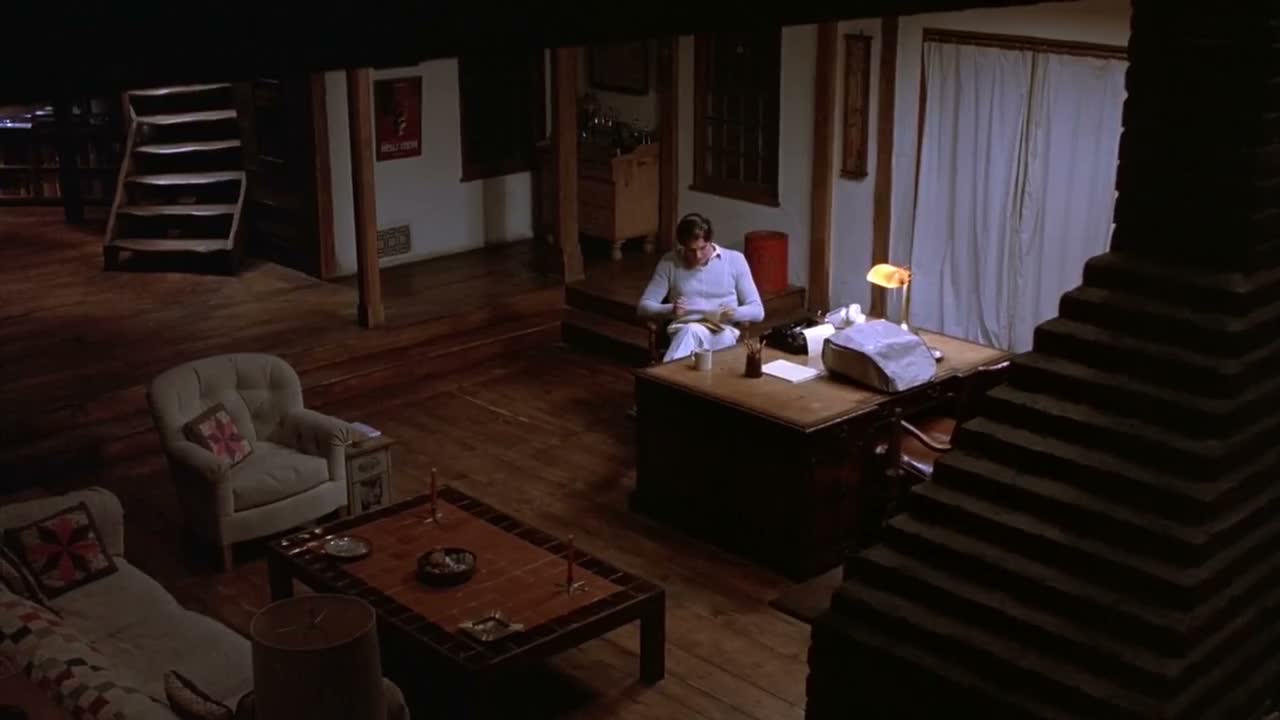
Clifford wants a writing partner; Sidney wants to be sure he won't be betrayed. The negotiation is really about trust and money: "You just have to be sure that whatever happens, I need you." Once Sidney hears how little Myra left him, he says yes - and the two sign on as "Bruhl and Anderson."

NegotiationPersuadingBargainingCoworkersB2mediumamerican

Key moments

Start here, then watch the full scene
  1. Can You Trust a Partner?

    0:13–0:40
    27s
  2. ❝ Monologue · 6 lines The Money Kills His Pride

    1:19–1:56
    37s
  1. ❝ MonologueSidney counts the estate6 linesPractice page ↗

Bruhl and Anderson Team Up, explained

What happens

Clifford Anderson asks Sidney Bruhl to collaborate on a play. Sidney stalls, wondering whether he can trust a partner with no sense of moral obligation, but the talk turns to money: Myra's estate comes to only $42,000, the house is tied up in probate, and the insurance is minimal. Sidney gives in - "I'll do it!" - and they agree on the byline Bruhl and Anderson.

What's really going on

This is a courtship between two men who each need what the other has. Clifford has a hit play and no name; Sidney has a name and no money. Sidney keeps testing the ground - "I wonder if it would not be a trifle starry-eyed of me to contemplate a partnership where I could count on no sense of moral obligation whatsoever" - while Clifford simply promises, "You can always trust me." The romance of collaboration is undercut by the arithmetic: Myra's estate is smaller than expected, the will takes years, and Sidney's pride folds fast once he knows the price. They even seal it by reciting lines from the play, which is either charming or chilling depending on how you hear it.

Key lines & what they mean

“They can Wag their damn tongues off. I'll blush all the way to the bank.”
Let people gossip all they like; he'll take the money anyway, embarrassment and all. A blunt statement that the payoff beats the shame.
“You just have to be sure that whatever happens, I need you.”
The ground rule of the partnership: Sidney must believe he is needed, not merely used. It's a request for reassurance as much as a condition.
“Don't kid a kidder, Cliff. That's from Act One.”
Don't try to fool an expert - and the line Clifford just quoted is literally from the first act of their play.
“We'll make it Bridgehampton, not Easthampton.”
A small change to hide the truth: the play will be set in a neighboring town so it looks less like their own lives.

Theme

  • Trust — Sidney asks whether he can rely on a partner's moral obligation, and only money finally settles the question.
  • Ambition — Two writers trade pride for a hit, agreeing to share a byline and worry about the critics later.

What this chapter teaches

Teaching points

Review right after watching
My level1/6

A1–C2 is the CEFR scale. Cards above the level you pick fade, and playback will not auto-pause on them.

Deathtrap: your progress

Chapter 24 of 30 · about 17 min to go

← Previous
Up next · 25psychicThe scene: Helga Meets the Man in Boots

Takeaways

What you walk away with
  1. Trust is the price Clifford names for the deal.
  2. Sidney's estate math pushes him toward yes.
  3. A lousy sum can decide a man's ethics.
  4. The pair seal it with their two names.

People also search

Questions, then the lines
Why does Sidney agree to collaborate?

Money. Myra's estate comes to only $42,000, the house is locked up in probate for years, and the insurance is minimal. Once he sees the figures, his pride gives way.

Why does Sidney change his mind so quickly?

Pride meets poverty. Once Porter brings him the estate figures, the offer stops looking like charity and starts looking like survival, so he says yes almost at once.

Why is their byline "Bruhl and Anderson" important?

It makes them equal partners on the play, rather than mentor and student. Saying the name out loud is how they seal the deal.

Do they actually believe the play will work?

Sidney talks like a professional, pointing out that Act One is stilted and that two murders in the first act may make Act Two a letdown. They argue about cuts and a detective character as if success is likely.

What does "blush all the way to the bank" mean?

It means he's willing to be embarrassed as long as he gets paid - a twist on the phrase "laugh all the way to the bank." Sidney is choosing money over his reputation.