00:00 / 03:03
00:00 / 03:03

Clifford Wants a Shortcut, Explained

Deathtrap · 1982

Chapter 22 of 30 · 3'03"

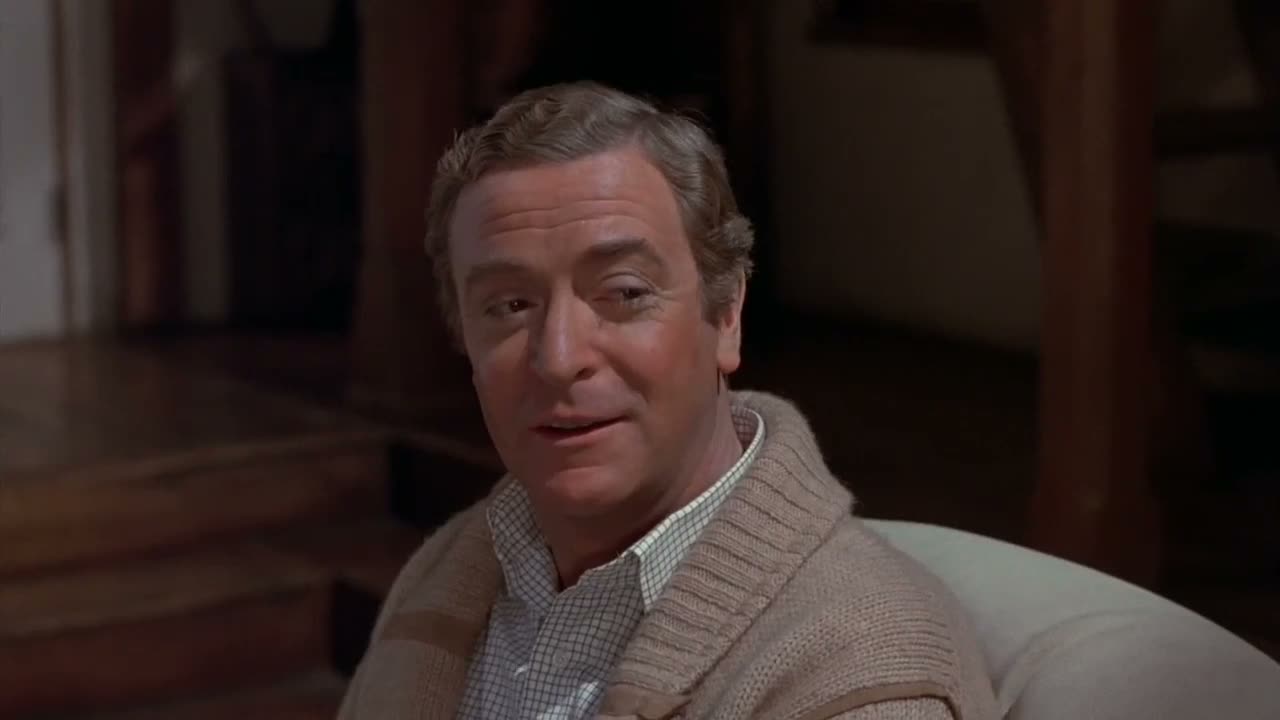
Two men who staged a murder now fight over the play it could become. Clifford wants the story on stage no matter whose life it exposes: "I want a shortcut, Sidney..." Sidney, guarding his name and reputation, would rather burn the manuscript than let it be staged.

ArgumentsNegotiationThreateningPersuadingCoworkersC1mediumamerican

Key moments

Start here, then watch the full scene
  1. ❝ Monologue · 4 lines Nobody Can Prove What Happened

    0:36–0:59
    23s
  2. A Threat to Burn the Manuscript

    1:28–1:48
    21s
  1. ❝ MonologueThe case to Sidney4 linesPractice page ↗

Clifford Wants a Shortcut, explained

What happens

After Myra's death, Clifford and Sidney turn on each other over the manuscript. Clifford calls it his way out - "I want a shortcut" - and refuses to let it go; Sidney says he has a name and reputation to protect and threatens to burn the play in the fireplace. Calmer, they analyze why the story would hold an audience.

What's really going on

The argument isn't really about a play; it's about who gets to survive what they did. Clifford holds the one thing that could make him famous, and for him Myra's death is simply material; he will not let the manuscript go. Sidney answers with the identity he has spent a career building - "I have a name and a reputation," he insists, however tattered - and he would rather destroy the play than be remembered as the man who killed his wife. Then the scene turns strange and professional: the two of them discuss the murder like a script, weighing whether it could convince an audience, and one of them notes that "nobody can prove what really happened here." The cruelty is how good both men are at this.

Key lines & what they mean

“It worked perfectly, and nobody can prove what really happened here. Nobody!”
The staged event was flawless, and there is no evidence to expose it. The speaker turns a murder into a matter of airtight execution.
“I want a shortcut, Sidney...”
A blunt admission: he wants success the fast way, and he won't worry about who gets hurt on the way there.
“To persuade an audience to suspend it's disbelief.”
The goal of any story: to get the audience to set aside doubt and buy what they're watching.
“And I don't give a shit whose property it cuts through, if you understand me.”
He states his ruthlessness outright - he truly does not care whose life or secrets the shortcut damages.

Theme

  • Ambition — Clifford is willing to expose a real killing to get ahead, and calls it exactly what it is: a shortcut.
  • Lies — The two men argue over how to package a murder as fiction, while each insists on his own version of the truth.

What this chapter teaches

Teaching points

Review right after watching
My level4/6

A1–C2 is the CEFR scale. Cards above the level you pick fade, and playback will not auto-pause on them.

Deathtrap: your progress

Chapter 22 of 30 · about 23 min to go

← Previous
Up next · 23be in on itThe scene: Clifford Talks Sidney Into Deathtrap

Takeaways

What you walk away with
  1. Clifford sells the crime as a story no one can disprove.
  2. Sidney's vanity is the lever Clifford pulls.
  3. A reputation is treated here as a marketable asset.
  4. The shortcut is moral as much as practical.

People also search

Questions, then the lines
Why does Sidney want to burn the manuscript?

He says he has a name and a reputation left, and he refuses to be remembered as the man who killed his wife. Burning the play is how he tries to keep the murder from becoming public.

Is Clifford being fair to Sidney?

No. Clifford treats the death as his material and never looks past his own success. When Sidney calls the play too dangerous, Clifford only presses that he wants a shortcut and will write it somewhere else.

Why does Clifford insist on staging the play?

For him the manuscript is a shortcut to fame, and he says so bluntly. He threatens to leave and write it elsewhere if Sidney burns it, because he won't give up that chance.

Was the play really based on what happened?

That's the argument. The men say the facts are outlandish and preposterous, yet entertaining enough to fool an audience - which is exactly why Sidney fears it and Clifford wants it.

Who actually wrote The Murder Game?

Sidney did; it's the hit that made his name. That's why he wants to be remembered for it rather than for the crime - and why a play about his real life cuts so close.