
“Good. Not everyone can say that. Continue.”
Why it's great
A quick compliment then a nudge forward; the clipped rhythm keeps the speaker in charge.
Register
Neutral
Use it yourself
Good. Not everyone can say that. Tell me more.
Chapter 5 of 30 · 4'23"
A young officer brings his commander a letter from Berlin: German propaganda is accusing Britain of atrocities in South Africa, and he wants to go and confront the man spreading it. The answer is a lesson in limits — "it's not done" — because this is a job for the Embassy, not the Army.
A Letter From Berlin
The Request That Breaks the Rules
A young officer reports to his commander about a letter from a governess in Berlin. German propaganda, it says, accuses British troops of killing women and children in South Africa, and the story traces back to a double agent named Kaunitz. The officer asks to go to Berlin and confront him.
The scene is about how information becomes a weapon, and about who is allowed to fight back. The letter from Berlin describes German propaganda painting Britain as a nation that starves and shoots civilians, and the officer takes it personally: he wants to go and "confront this rat." His commander refuses on principle — "First of all, it's not done. This isn't Army business, it's Embassy" — which is both a rule and a way of keeping an eager young man where he can be controlled. The running joke about Sherlock Holmes lightens the exchange, but it also shows the culture: the officer knows Conan Doyle is documenting the war abroad, and the older man only wants to know how the serial ends. Even the closing advice, "Take my tip, my boy," frames restraint as wisdom. Later, a postcard confirms the young man went anyway.
A1–C2 is the CEFR scale. Cards above the level you pick fade, and playback will not auto-pause on them.
“Good. Not everyone can say that. Continue.”
A quick compliment then a nudge forward; the clipped rhythm keeps the speaker in charge.
Neutral
“He made South Africa too hot for himself and skipped.”
Too hot for himself makes the escape sound personal and deserved, while skipped keeps it lightly contemptuous.
Informal
“First of all, it's not done. This isn't Army business, it's Embassy.”
It's not done rejects the plan without raising its voice, which is exactly how British institutions say no.
Formal
“Take my tip, my boy. You've got a damn good VC, now keep quiet for a bit, hm?”
The praise softens the advice, so telling a hero to keep quiet sounds like care, not a rebuke.
Informal
“It's from Mr Candy. So, the old boy got there.”
Old boy keeps it affectionate, and got there quietly says both arrived and succeeded.
Informal
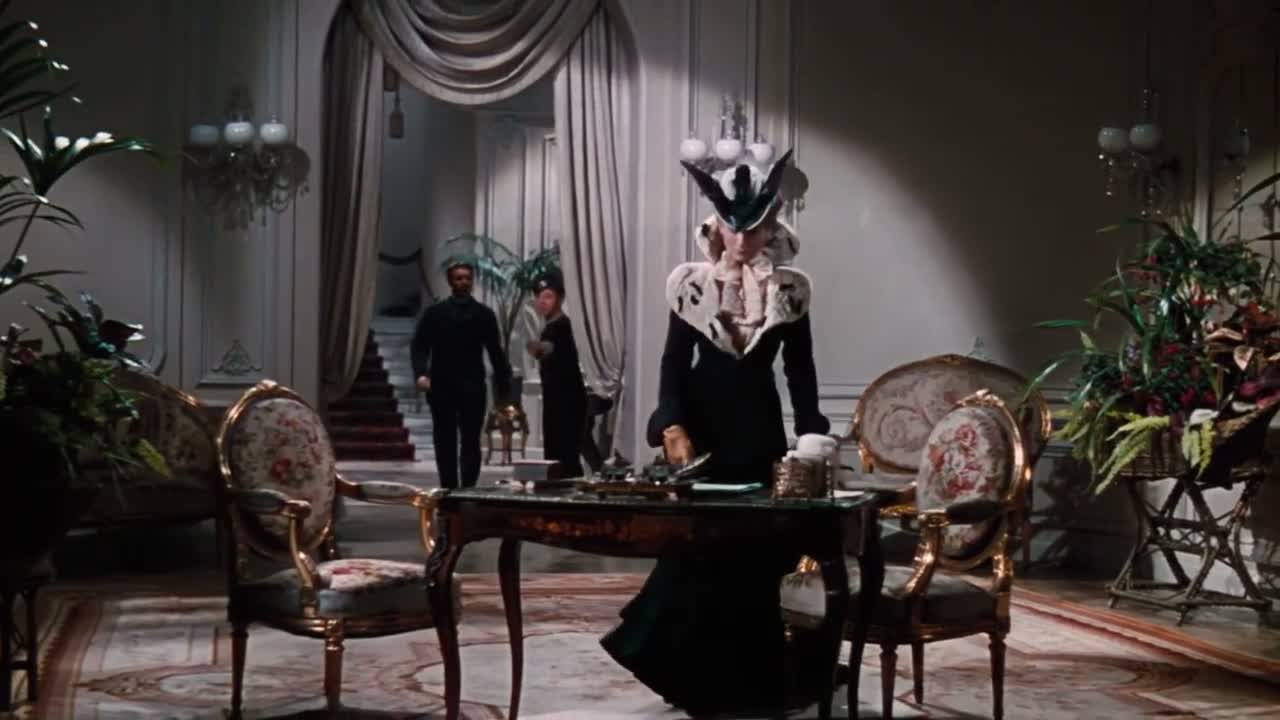 Up next · 06as bad as all thatThe scene: Candy Meets Edith in Berlin
Because a letter accuses British troops of atrocities in South Africa, and he wants to face the man spreading the story. He sees the smear as his own to answer.
It means someone caused so much trouble that staying became impossible. The double agent made South Africa too dangerous for himself and slipped away.
Because it is not the Army's business. He says the matter belongs to the Embassy and that politics should be left to politicians, turning a rule into a reason to wait.
It shows what these men care about: the young officer knows Conan Doyle is gathering material to counter German propaganda, while the older man only wants to hear how the serial ends.