
“Nature isn't created in the image of man's compassion.”
Why it's great
It severs nature from human mercy in one stroke, and the line refuses comfort.
Register
literary
Use it yourself
The market isn't created in the image of fairness.
Chapter 6 of 27 · 4'59"
Mrs. Venable tells the doctor how she and Sebastian watched sea turtles hatch on the Encantadas and the fledglings get torn apart by flesh-eating birds. "Nature isn't created in the image of man's compassion." She says Sebastian 'saw the face of God' in that slaughter.
❝ Monologue · 38 lines The Turtles Crawl Ashore to Lay Eggs
❝ Monologue · 18 lines Nature Is Cruel, Sebastian Knew It
Mrs. Venable describes a voyage she took with Sebastian to the Galapagos. They watched female turtles drag themselves ashore to lay eggs, then returned to see the hatchlings race to the sea while flesh-eating birds dived and tore them open. She calls nature cruel and says Sebastian, who watched all day from the rigging, understood it from birth.
The turtle story is the film's central parable, and Mrs. Venable tells it as proof of Sebastian's vision. The hatchlings' dash to the sea, with the sky 'full of flesh-eating birds' that turn them over to eat, is nature red in tooth and claw: only a tiny fraction survive. Her line 'Nature isn't created in the image of man's compassion' is the lesson she believes her son learned that day — and she is still arguing with it. What she keeps circling is that Sebastian 'saw the face of God' in the massacre, and that she refused the vision until 'suddenly, last summer.' The horror she describes is exactly the horror she cannot say aloud about how her son actually died, so the monologue works as confession and evasion at once.
A1–C2 is the CEFR scale. Cards above the level you pick fade, and playback will not auto-pause on them.
“Nature isn't created in the image of man's compassion.”
It severs nature from human mercy in one stroke, and the line refuses comfort.
literary
“I didn't know then it was us.”
Four words turn a story about animals into a confession about herself.
Neutral
“It's a long and dreadful thing, the depositing of the eggs in the sand.”
The delayed subject makes a plain fact sound heavy, almost like a verdict.
literary
“This is something I've never told anyone before.”
Opening with the weight of a secret makes the listener hold their breath.
Neutral
We saw the sea turtles crawl out of the sea... ...for their annual egg-laying. Once a year, the female of the sea turtles... ...crawls out of the sea onto the blazing sand beach... ...of a volcanic island to dig a pit in the sand... ...and deposit her eggs there. It's a long and dreadful thing, the depositing of the eggs in the sand. And when it's finished... ...the exhausted female turtle crawls back to the sea half-dead. She never sees her offspring. But we did. Sebastian knew exactly when the sea turtle eggs would be hatched. - We returned in time for it. - You went back? In time to witness the hatching and their desperate flight to the sea. The narrow beach, the color of caviar, was all in motion. The sky was in motion, full of flesh-eating birds. And the noise of the birds... ...their savage cries as they circled... ...over the beach of the Encantadas... ...while the new sea turtles scrambled out... ...and started their race to the sea. - Race to the sea? - To escape the flesh-eating birds... ...that made the sky almost black. And I said, "Sebastian, no. No, it's not like that." But he made me look. He made me see that terrible sight. - What was not like that? - Life. I said, "No. No! That's not true!" But he said it is. He said, "Look, Violet. Look, there on the shore." And I looked and saw the sand all alive, all alive... ...as the new-hatched sea turtles dashed to the sea... ...while the birds hovered and swooped to attack... ...and hovered and swooped to attack. They were diving down on the sea turtles... ...turning them over to expose their soft undersides... ...tearing their undersides open... ...and rending and eating their flesh.
Nature isn't created in the image of man's compassion. Nature is cruel! Sebastian knew it all along, was born knowing it, but not I. I said, "No, no, those are only birds, turtles, not us." I didn't know then it was us. That we are all of us trapped by this devouring creation. I couldn't, wouldn't face the horror of the truth... ...even that last day in the Encantadas... ...when Sebastian left me... ...and spent the whole blazing, equatorial day... ...in the crow's-nest, watching that thing on the beach... ...until it was too dark to see. When he came down the rigging, he said, "Now I've seen him." - And he meant God. - Do you believe he saw God? He saw the whole thing there that day on the beach. But I was like you. I said no. I refused to believe... ...until suddenly, last summer, I learned my son was right.
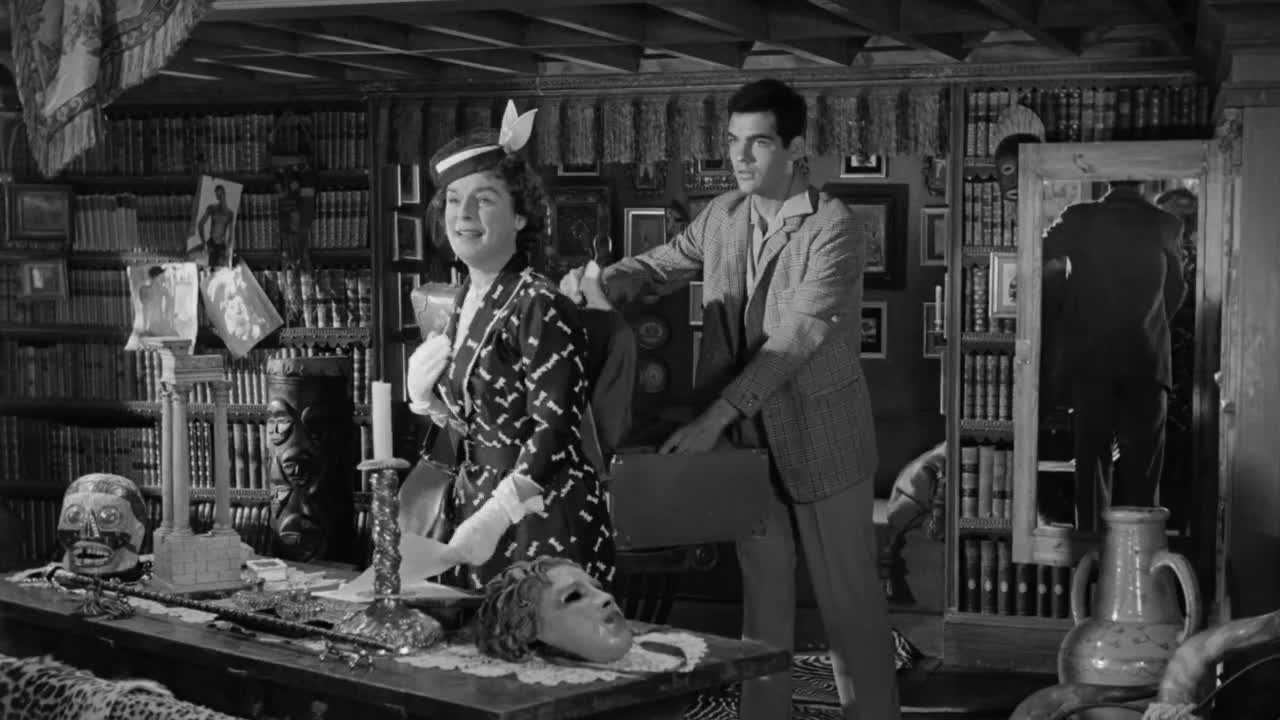 Up next · 07my lips are sealedThe scene: The Hollys Come for Sebastian's Clothes
She uses it as proof of Sebastian's special vision. She believes he saw the truth about nature that day, and she is still wrestling with what he understood.
It means nature was not made to match human kindness; it is cruel and indifferent. She draws this lesson from the birds tearing the turtle hatchlings apart.
He told his mother that watching the massacre on the beach, he had 'seen him' — meaning God. In his view the pitiless scene revealed something divine about how the world works.
They scrambled out of the sand and raced to the sea while flesh-eating birds dived on them, turned them over and tore them open. Only a tiny fraction escaped.
She presents the story as a secret too terrible to repeat. It is her way of drawing the doctor into confidence while hinting at something she cannot say directly about Sebastian's death.