
“Truth is the one thing I have never resisted.”
Why it's great
One proud confession that quietly admits how much she has to hide.
Register
literary
Use it yourself
Honesty is the one thing I have never traded away.
Chapter 22 of 27 · 3'33"
The doctor asks Catherine to surrender her resistance and let him guide her: "I want you to give me all your resistance." She notices what he is doing — "I think you're trying to hypnotize me" — and yet she hands him her hands and agrees to tell everything. The gentleness is the pressure.
You're Trying to Hypnotize Me
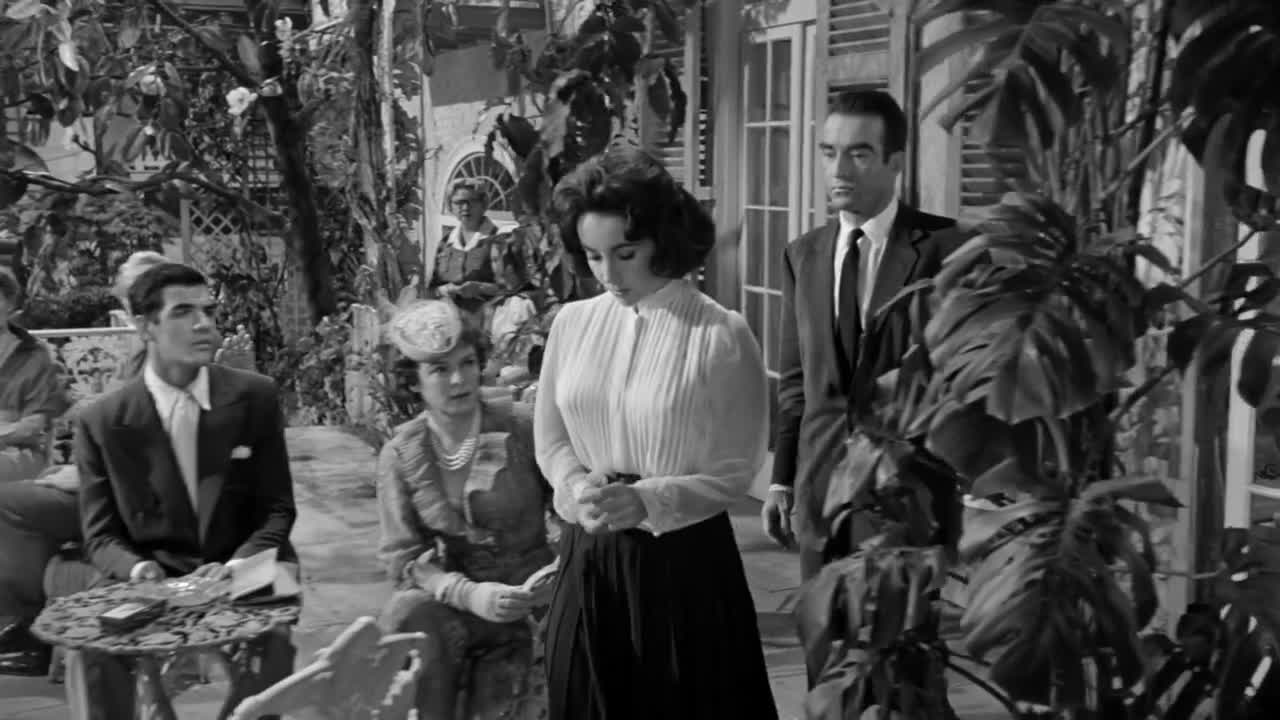
In Catherine's room, Dr. Cukrowicz gets her to close her eyes and asks her to give him all her resistance. He questions her about the truth and about why she tried to kill herself. She suspects he is hypnotizing her, but she lets him take her hands, says there is no resistance left in them, and agrees to tell everything exactly as it happened.
Dr. Cukrowicz does not force Catherine; he relaxes her, then asks her to hand over the one thing she needs to keep. 'I want you to give me all your resistance,' he says, and the phrasing matters: he is not asking for information but for surrender. Catherine is lucid enough to name the trick — 'I think you're trying to hypnotize me' — yet she goes along, which shows both how tired she is and how much she wants to be believed. His line about truth, that people think they don't resist it but still do, quietly makes her the resistant one. By the end she says there is no resistance in her hands and promises to tell everything exactly, trading self-protection for the hope of being heard.
A1–C2 is the CEFR scale. Cards above the level you pick fade, and playback will not auto-pause on them.
“Truth is the one thing I have never resisted.”
One proud confession that quietly admits how much she has to hide.
literary
“Sebastian said: "Truth is at the bottom of a bottomless well."”
A borrowed image that makes truth sound unreachable, deeper the harder you look.
literary
“Why did you try to kill yourself?”
The hardest question in the scene asked in the fewest, flattest words.
Neutral
“People think they don't resist it, but they still do.”
One calm observation names the self-deception everyone shares.
Neutral
 Up next · 23third personThe scene: Catherine Tells the True Story
He asks for 'all your resistance' — her guardedness. He wants her to stop defending herself so she can finally describe what happened.
He uses a soft, repetitive, suggestive manner, and she says he is trying to hypnotize her. Whether or not it is formal hypnosis, he is clearly guiding her mind.
She is exhausted and lonely, and she wants to be believed. Saying there is no resistance in her hands, she gives up her guard to tell the true story.
She suggests everyone wanted her out of the way: her mother and George would get money, and the doctor his building. Her attempt is tied to being used, not simply despair.