00:00 / 04:44
00:00 / 04:44

Ken Visits Tom and Gerri, Explained

Another Year · 2010

Chapter 9 of 25 · 4'44"

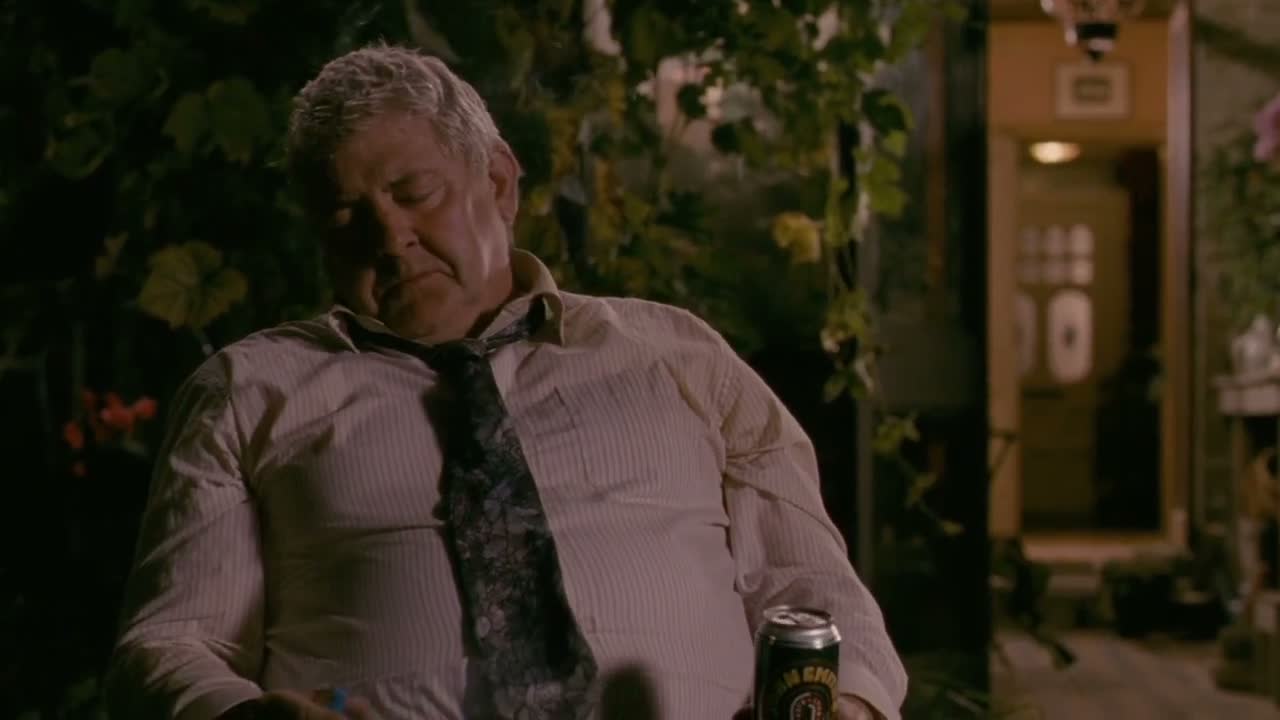
Ken arrives for one of his long visits, all noise and affection, and the talk drifts from his messy flat and annoying young boss to the retirement he keeps postponing. "What thanks do you get? I'm sick of it," he says of forty years of work, before the three of them slip into old football stories.

Family dinnersSmall talkComplainingTeasingFriendsB2mediumbritish

Key moments

Start here, then watch the full scene
  1. Ken Remembers the Clough Glory Years

    3:31–3:56
    25s

Ken Visits Tom and Gerri, explained

What happens

Ken, an old friend, turns up at Tom and Gerri's house for one of his visits, greeted with jokes and hugs. Over food he talks about his flat, which is a mess but suits him, and about the young supervisor who treats him like a child. Then the conversation turns to retirement and to shared memories of Derby, football crowds and old friends.

What's really going on

The visit is warm, but the chapter keeps brushing against what Ken will not quite say. His chatter about the flat and the young supervisor — '35, looks 12, treats me like a child' — is the sound of a man whose working life has worn him down, and his line about the job, 'What thanks do you get? I'm sick of it!' states the complaint outright. Retirement is the obvious answer, and everyone can see it; Ken can even joke that he would eat, drink and be merry, and call freedom from work 'the tyranny of regular employment.' But he admits it is 'not that easy.' The football memories that follow are the scene's real comfort: a shared past where he belonged, with old friends and a team, standing on the terraces and hearing the crowd roar.

Key lines & what they mean

“During the Clough glory years, we were at the centre of the footballing universe.”
A nostalgic claim about the past: during Brian Clough's great years, their city felt like the heart of football.
“Yep, that's one of the advantages of being free from the tyranny of regular employment.”
A dry joke about unemployment: no job means no boss and no schedule, said as if it were a benefit.
“What would you do with your time if you retired, Ken?”
The question that exposes the real problem — without work, Ken has no idea how he would fill his days.
“What thanks do you get? I'm sick of it!”
Ken's outburst about decades of effort met with no gratitude, the frustration under his cheerful manner.

Theme

  • Friendship — Ken's visit is full of jokes and old stories, and the football memories show a past where he belonged.
  • Loneliness — Behind the chatter, Ken is worn down and stuck, avoiding the retirement that might leave him with no purpose.

What this chapter teaches

Teaching points

Review right after watching
My level1/6

A1–C2 is the CEFR scale. Cards above the level you pick fade, and playback will not auto-pause on them.

Another Year: your progress

Chapter 9 of 25 · about 57 min to go

← Previous
Up next · 10stuck in a rutThe scene: Ken Breaks Down at Dinner

Takeaways

What you walk away with
  1. Same old, same old means nothing has changed
  2. To leg it is to run at speed
  3. The terraces are the old standing stands
  4. Owt is northern English for anything

People also search

Questions, then the lines
Why does Ken keep postponing retirement?

He admits it is not that easy. Work has organized his life for decades, and when asked what he would do with his time, he can only say the pub and eating, drinking and being merry.

What does "owt" mean?

It is northern English dialect for "anything." Ken asks whether there was owt worth cheering at the match, meaning whether anything was worth cheering about.

What does Ken complain about at work?

His young supervisor, who is thirty-five but looks twelve and treats him like a child. Ken is a graduate too, but the younger man still talks down to him.

Why does the football talk matter to Ken?

It is where he felt he belonged. The shared memories of the terraces, the roar of the crowd and the Clough era give him a past that is warmer than his present.

Who is Ronnie, and what do they say about him?

Ronnie is Ken's brother, now seventy. The friends remember drinking with him, and joke that he never bought a round, which Ken cheerfully agrees with.