“For the potential contacts, I can put up with a few ticks.”
見當場語氣,別逐詞硬譯。
這句把場面釘住,好記也好跟讀。
套用這句骨架
權衡利益後決定容忍某人毛病時用,語氣務實;當面說會讓人聽著刺耳。
同類說法 / 換個物件也能說
口語
重音落在最後實詞,別讀成平的。
For the connections alone, I can put up with a few quirks. 單為了那些人脈,我也能忍受一些怪癖。
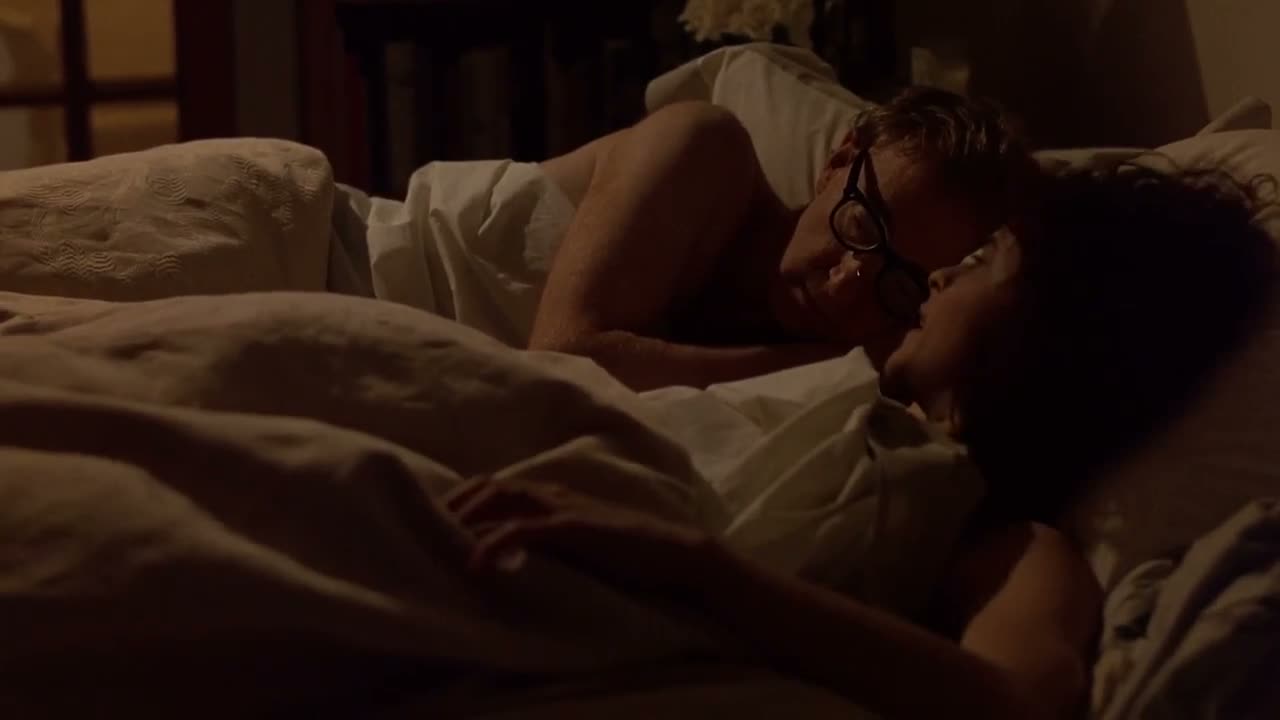
這場戲:為漢普頓之行吵翻
第 3 章 · 共 15 章 · 2'12"
倫尼跟人倒苦水:晚宴一場接一場,路上看見一對情侶,想起當年自己和阿曼達的 the old passion(從前那股熱)。可現實是兩人一見面就吵:她為攢 potential contacts(人脈)要去老闆漢普頓的家,他嫌自己被蜱蟲咬過,還吐槽老闆 got a crush on you(暗戀你)。想學這兩句,這段很真實。
「從前那股熱」說 the old passion
Sunday papers 厚厚的週日報紙first apartment 第一套公寓old passion 從前那股熱
「暗戀上你了」got a crush on you
put up with 勉強忍受got a crush on you 暗戀上你了mentally undresses you 在腦子裡把你衣服剝掉
倫尼向人傾訴:阿曼達近來總拉他去晚宴,上週跟多里安一家去 Le Cirque,昨晚又和格羅斯巴德一家在公園大道。回家路上他看見一對情侶抱著週日報紙慢慢走,忽然想起兩人最初的日子——那時連逛街都是樂趣,如今 the old passion(從前那股熱)早就沒了,這些念頭讓他發慌。可一到家,兩人又吵起來:她想去老闆傑裡·本德在漢普頓的豪宅,為的是 potential contacts(人脈);他抱怨那裡讓他被蜱蟲咬,還說老闆對她 got a crush on you(暗戀上了你),看她的眼神都像在 mentally undresses you(在腦子裡把她脫光)。最後她讓他別再提,他反過來說她這些年變得太多。
A1–C2 是歐標等級。點一個等級後,比它高的卡片會變淡,播放到那裡不會自動暫停。
“For the potential contacts, I can put up with a few ticks.”
見當場語氣,別逐詞硬譯。
這句把場面釘住,好記也好跟讀。
套用這句骨架
權衡利益後決定容忍某人毛病時用,語氣務實;當面說會讓人聽著刺耳。
同類說法 / 換個物件也能說
口語
重音落在最後實詞,別讀成平的。
For the connections alone, I can put up with a few quirks. 單為了那些人脈,我也能忍受一些怪癖。
“You used to hate the beach. And Jerry Bender has got a crush on you.”
見當場語氣,別逐詞硬譯。
這句把場面釘住,好記也好跟讀。(第2句的表達重點)
套用這句骨架
拿對方從前的喜好或舊事打趣時用,語氣親暱;在生氣的爭執裡說只會火上澆油。
同類說法 / 換個物件也能說
口語
重音落在最後實詞,別讀成平的。
You used to hate coffee. And now you drink it every morning. 你以前討厭咖啡。現在你每天早上都喝。
“I looked out the window and I see some guy and this pretty girl.”
我望出車窗,看見一個男人和一個漂亮姑娘。
一句平常的觀察把『別人家的幸福』具體化,沒加評論,卻讓後面的羨慕全有了依據。
I looked ... and I see ...
講起讓自己心動的一幕時用;正式敘述裡時態混用會顯得隨意。
I glanced out and saw a man with a pretty girl. / Through the window I spotted the two of them.
中性
I looked out the window 連讀,some guy and this pretty girl 放緩。
I looked across the platform and I see a father and his kid. 我望向對面站臺,看見一個父親和他的孩子。
“If he looked at me that way I'd hit him with a brick.”
他要是那樣看我,我就拿磚頭砸他。
用最誇張的暴力回應一個眼神,護人的怒氣和喜劇感一起砸出來。
If he ..., I'd hit him with a brick.
熟人之間誇張地表達不滿或護短時用;正式場合絕對不能這樣說。
One more look like that and he gets a brick. / I would have swung at him.
口語
looked at me that way 連讀,hit him with a brick 重讀收尾。
If he said that to my sister I'd hit him with a brick. 他要是這麼跟我妹妹說話,我就拿磚頭砸他。
“And, you know, they're walking home and, you know, the guy's carrying the Sunday papers.”
他們走路回家,那男的還拿著週日報紙。
用最平常的畫面說羨慕,把婚姻裡想要的不過是並肩回家這件事講得具體又酸楚。
They're walking home and the guy's carrying the ...
講起讓自己觸動的小場景時用;正式場合裡這種絮語式敘述不太合適。
A couple strolling home with the papers. / Just two people walking home together.
中性
walking home 連讀,Sunday papers 重讀放緩。
They're walking home and the guy's carrying the groceries. 他們走路回家,那男的還拎著菜。
下一章 · 04Let sleeping dogs lie舊事別翻這場戲:床上拌嘴又想翻舊賬指「暗戀上你了、對你有好感」。戲裡倫尼認定妻子的老闆對她 got a crush on you,看她的眼神都不對勁。
用 put up with,指忍著不快接受某人某事。戲裡說為 potential contacts(人脈),可以 put up with a few ticks(忍幾隻蜱蟲)。
字面是「在腦子裡把你衣服剝掉」,指某人盯著你看、帶著明顯的性意味。戲裡用來形容老闆看妻子的眼神。
指「兩人之間從前的那股熱情」。戲裡倫尼說我們之間已經太久沒有 the old passion,說的就是婚姻裡的熱度消退。
常作反諷,表示「那又怎樣、有什麼了不起」。戲裡對方說被蜱蟲咬了,回一句 Big deal,就是嫌他小題大做。