
“I don't know why, but it's always seemed like time just stopped.”
Por qué es buena
Stopped time captures panic better than any account of the shots.
Registro
Neutral
Úsala tú
It's always seemed like time just stopped when the car spun.
Capítulo 5 de 20 · 2'53"
An interviewee walks through the night of the shooting in his own words: the car stopped, the officer asked for a license, and then the gunfire. "I don't know why, but it's always seemed like time just stopped," he says, describing the moment as a flash. Later he describes discovering his companion's stash of guns.
Time Just Stopped at the Shooting
He Comes to Find Out About the Guns
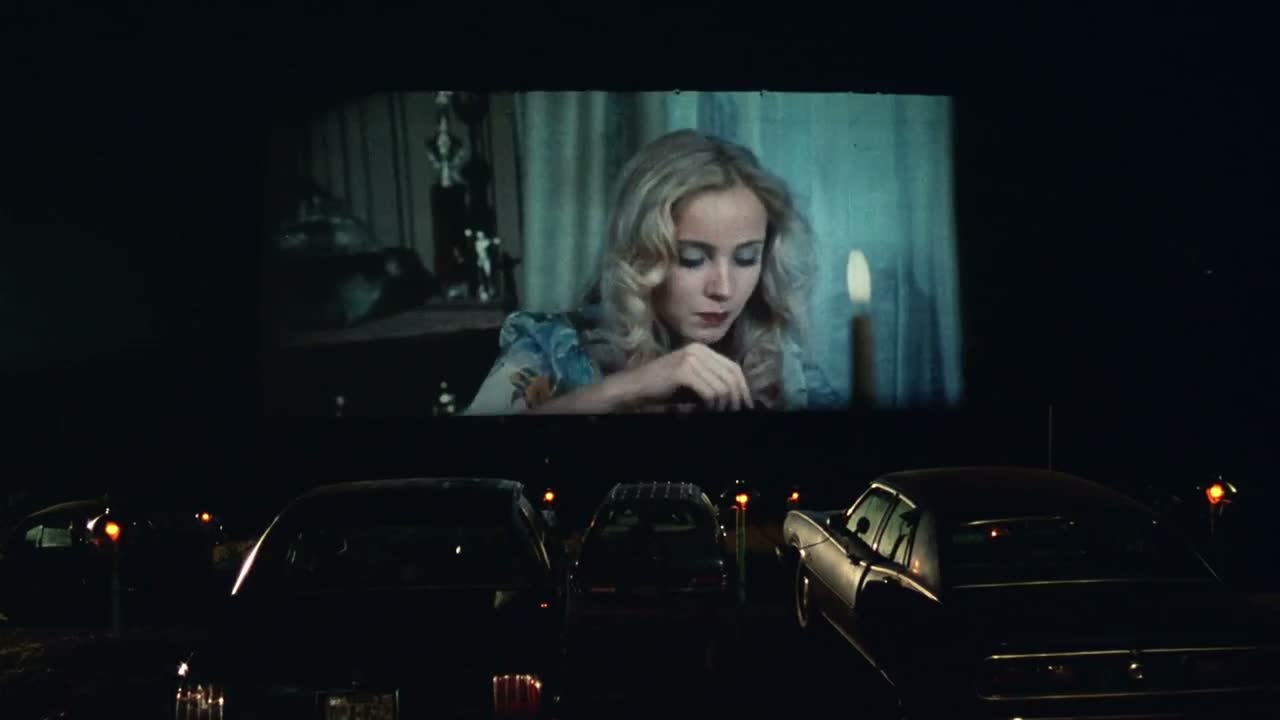
The Drive-In and the Beer
An interviewee recounts the night of the shooting in his own words. Around midnight the car he was in was stopped; the officer walked up and asked for a license, and then came the gunfire. He remembers time seeming to freeze. The next morning he found his way to Freeway 45 and drove home.
The account is calm, almost casual, and that is what makes it unsettling. An officer walks up, asks for a license, and the next thing is gunfire — 'and asked to see the driver's license, and he just started shooting.' What the speaker emphasizes is not the violence but the way memory bent around it: 'I don't know why, but it's always seemed like time just stopped.' From there the story turns domestic — a drive-in, sandwiches, a six-pack, a movie his companion picked — as if the night were ordinary. In that flat telling, the guns surface only as an afterthought: 'After riding around with him, I come to find out he's got an arsenal.'
A1–C2 es la escala MCER. Las tarjetas por encima del nivel elegido se atenúan y la reproducción no se pausa en ellas.
“I don't know why, but it's always seemed like time just stopped.”
Stopped time captures panic better than any account of the shots.
Neutral
“Time stopped or something. I don't know what it is.”
The fumbling after the phrase shows the blank he still cannot describe.
Informal
“Anyhow, he went in and never came back out. So I left.”
The flat so I left hides the sting of being left outside.
Informal
“After riding around with him, I come to find out he's got an arsenal.”
One word, arsenal, turns a casual ride into a warning he ignored.
Informal
“He wanted to go to the movies, so we went to the movies.”
The flat repetition shows how little say he had in that night.
Informal
“I call them drive-in movies, beer-drinking movies.”
A homemade label captures the easy night before everything turned.
Informal
 Siguiente · 06acting strangeLa escena: Randall Recounts the Motel Night
It's his way of describing the shooting: the moment was so sudden and brief that it doesn't feel like time passing, more like a flash, and that's how he still remembers it.
He says the officer walked up, asked to see the driver's license, and then suddenly started shooting — his account, which the film places alongside other, conflicting versions.
Because he is narrating the whole night in order, not just the killing. The ordinary details — food, beer, a drive-in — underline how routine the evening seemed to him.
As something he noticed only after they had spent time together — an 'arsenal' of pistols and rifles that his companion waved around and even fired out of the car.