00:00 / 03:49
00:00 / 03:49

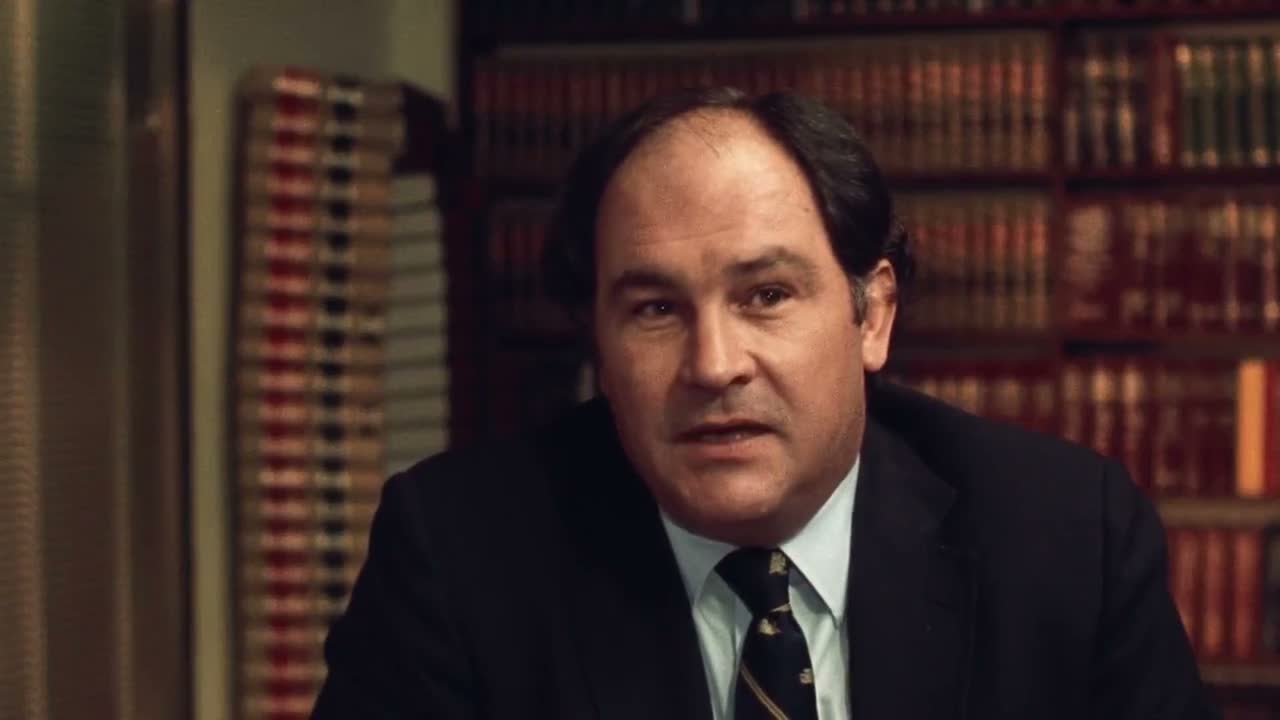
Randall Adams on Death Row, Explained

The Thin Blue Line · 1988

Capítulo 16 de 20 · 3'49"

A man on death row describes a system that only talks about killing him. "All they want to do is talk about how they're going to kill you," he says, and the days blur into a bad dream. Later, a defense push for a new trial stalls, and the witness who testified walks away.

CourtroomMonologuesComplainingExplainingB2fastamerican

Key moments

Start here, then watch the full scene
  1. ❝ Monólogo · 19 frases The Only Thing They Talk About Is Killing You

    0:02–1:18
    76s
  2. ❝ Monólogo · 12 frases The lawyer on the failed motion

    Legal procedure becomes a list of dead ends, and the jargon cannot hide the defeat.

    2:00–2:33
    34s
  3. The D.A. Who Mocked Him in Court

    3:16–3:48
    32s
  1. ❝ MonólogoA death-row monologue19 frasesPracticar ↗
  2. ❝ MonólogoThe lawyer on the failed motion12 frasesPracticar ↗

Randall Adams on Death Row, explained

What happens

Randall Adams describes life under a death sentence: a numbing wait, endless talk of the electric chair, and a district attorney who discusses only how he will be executed. His lawyers file a motion for a new trial. The Millers' claim to reward money is ruled impeaching testimony and kept out. At the hearing, Adams says, the prosecutor cut him off and mocked his 'big fat nose.'

What's really going on

The chapter is about how a death sentence grinds a person down and how the machinery around it stays indifferent. The prisoner describes the numbness — "It's like a bad dream. You want to wake up, but you can't do it" — and the horror stories about electrocution that he hears 'fifteen times, 20 times a day.' What the prosecution wants is simple: "All they want to do is talk about how they're going to kill you." The film then follows the appeals. A motion for a new trial is filed, but the Millers' motive — that they expected reward money and 'didn't care whether they saw anything or not' — is ruled impeaching testimony, too late. At the hearing, the D.A. is 'hard-nosed,' cuts the witness off, and jokes about his nose. "It really didn't," someone concludes. "Didn't help the guy at all."

Key lines & what they mean

“It's like a bad dream. You want to wake up, but you can't do it.”
The prisoner's image for death row: a nightmare you can't escape, no matter how much you want it to end.
“He don't give a damn if you're innocent.”
In the prisoner's telling, the prosecutor doesn't care about guilt or innocence — the outcome he's fixed on is the execution.
“All they want to do is talk about how they're going to kill you.”
The only subject, as he describes it, is his death; the people around the case discuss the method, not the question of whether he did it.
“I didn't have any idea what happened to him.”
The witness who testified against Adams says he simply walked away and never learned what happened to him — or didn't want to.
“When we went to court that day, the District Attorney was hard-nosed.”
At the hearing on the new-trial motion, the prosecutor is described as unbending, cutting the speaker off and refusing to let him answer.
“That's the only thing that they cared about and talked about.”
The prisoner repeats that death is the single subject anyone around his case is interested in; nothing else matters to them.

Theme

  • Justice — A death-row prisoner hears only talk of execution, and the appeals that might correct the case keep hitting blank walls.
  • Corruption — The reward-seeking Millers and a hard-nosed D.A. show how the courtroom's incentives, not the truth, shaped the case.

Qué aprendes en este capítulo

Puntos de enseñanza

Repasa justo después de ver
Mi nivel0/6

A1–C2 es la escala MCER. Las tarjetas por encima del nivel elegido se atenúan y la reproducción no se pausa en ellas.

The Thin Blue Line: tu progreso

Capítulo 16 de 20 · quedan unos 16 min

← Anterior
Siguiente · 17set the wheels of justice in motionLa escena: The Case the Supreme Court Reversed

Ideas clave

Lo que te llevas
  1. Indifference can be summed up in one blunt phrase.
  2. Death-row talk turns execution into routine detail.
  3. A retrial can be blocked by timing, not facts.
  4. The lawyers' defeat is told in flat, tired sentences.

Preguntas frecuentes

La pregunta, luego la frase
Why does the witness say he never found out what happened?

After testifying he says he 'was gone' and never concerned himself with it, then admits maybe he didn't want to know. It reads as guilt or deliberate avoidance about the man he helped convict.

Why was the Millers' testimony kept out?

The defense wanted to show they expected reward money and couldn't see through a steamed-up car, but the court ruled it impeaching testimony offered too late, so the jury never heard it.

What does 'impeaching testimony' mean?

It's evidence meant to attack a witness's credibility rather than prove the facts. The court called the Millers' statements impeaching testimony and said it came too late to be used.

Why does the prosecutor mock his nose?

The speaker says the D.A. told him that if he had 'kept my big fat nose out of their business,' the Millers would be better off — a taunt that the case was none of his concern.

Did the new-trial motion succeed?

No. The hearing goes nowhere: the key evidence is excluded, the D.A. is hard-nosed, and the speaker ends by agreeing it did no good — 'Didn't help the guy at all.'