00:00 / 02:17
00:00 / 02:17

The Coach Apologizes for His Lads, Explained

The Gentlemen · 2020

Chapter 9 of 15 · 2'17"

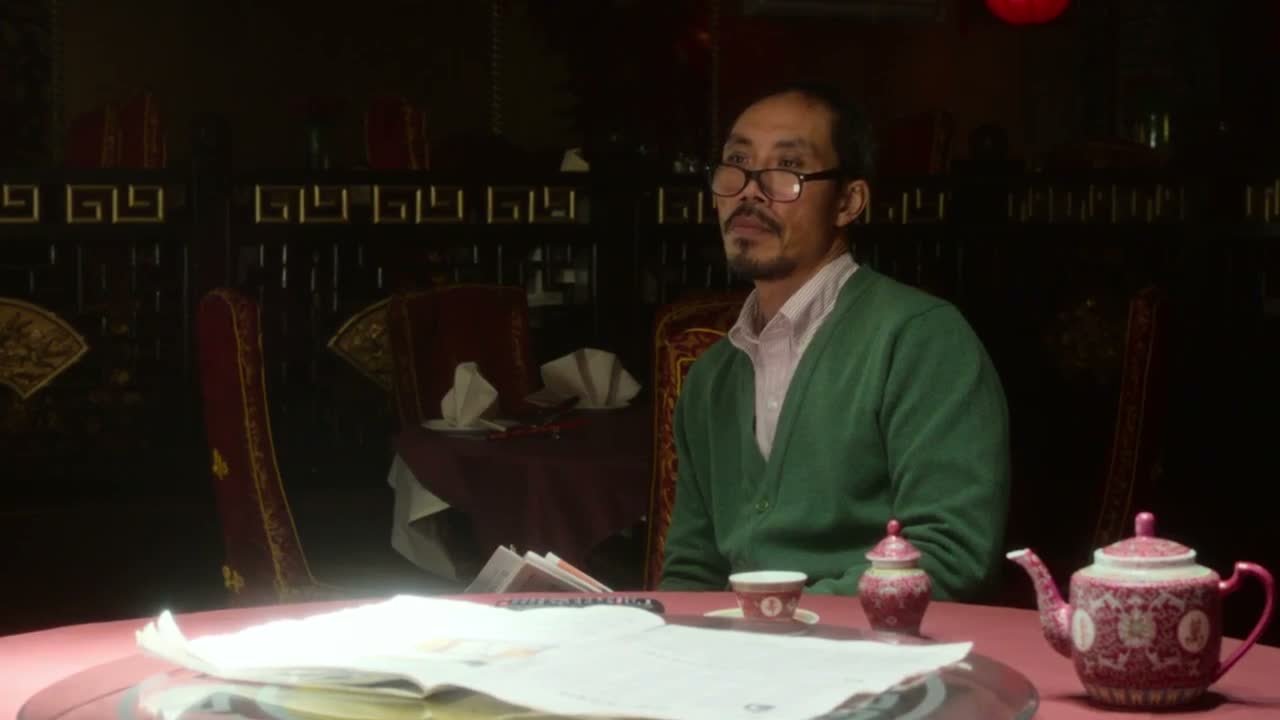
The Coach walks into the operation his lads robbed and does what a boss is supposed to do: he apologizes. "It's me that should be accountable for their actions," he says, offering loyalty and time to settle the debt. The catch is that the debt now includes a name.

ApologiesNegotiationApologizingPromisingRivalsB2fastbritish

Key moments

Start here, then watch the full scene
  1. The Coach Learns Whose Weed They Took

    0:02–0:38
    36s
  2. ❝ Monologue · 7 lines The Coach Offers to Make Amends

    0:57–1:39
    42s
  3. ❝ Monologue · 4 lines the terms laid down

    Instead of accepting the apology, the other side demands the source first, reclaiming control.

    1:41–1:54
    14s
  1. ❝ Monologuethe coach's apology7 linesPractice page ↗
  2. ❝ Monologuethe terms laid down4 linesPractice page ↗

The Coach Apologizes for His Lads, explained

What happens

The Coach wants the address of "that Chinese geezer" and learns, from Ernie, whose weed his lads stole: Mickey Pearson's. That is terrible news, so the Coach goes to Mickey's people and offers an apology, admitting his boys are naive and taking responsibility for them.

What's really going on

This is a mob apology, and it follows the rules. The Coach does not deny anything; he names his responsibility — "so it's me that should be accountable for their actions" — and offers what he has: loyalty, his word, his time, until the debt is settled. That is the language of a man who knows that returning stolen goods is not the same as repaying the trouble. His pitch runs on reputation and obligation: his boys are "naive," they have "had hard lives," and he is their leader. The other side answers in the same register, asking how the lads got information that is not common knowledge. The scene shows two codes meeting: one built on loyalty to your own, the other built on knowing exactly who leaked. The Coach's final move — handing over a name — proves he understands both.

Key lines & what they mean

“so it's me that should be accountable for their actions.”
The Coach takes personal responsibility for his crew's crime, a move that earns respect in a world where leaders are expected to answer for their people.
“I'll make amends, but just leave me lads alone.”
The offer, in one line: he will pay for the mistake himself if the young thieves are spared. It is a leader buying protection for his own.
“Ernie, this is not the fucking time to keep your cards close to your chest.”
The Coach wants the truth immediately. Holding information back, even for a moment, is dangerous when the enemy's name might be Mickey Pearson.
“And so I offer you my loyalty, my word, my time,”
The currency of the apology: not just cash but personal commitment — his loyalty, his promise, his time, pledged until the debt is paid.

Theme

  • Duty — The Coach's whole speech is about responsibility — his lads are his, so their mistake is his to answer for, whatever it costs him.
  • Power — The apology is also a negotiation: loyalty and time are offered as payment, and the other side uses a piece of information as leverage.

What this chapter teaches

Teaching points

Review right after watching
My level0/7

A1–C2 is the CEFR scale. Cards above the level you pick fade, and playback will not auto-pause on them.

The Gentlemen: your progress

Chapter 9 of 15 · about 20 min to go

← Previous
Up next · 10eyebrows deep in somethingThe scene: Lord George and Mickey Debate Vice

Takeaways

What you walk away with
  1. Owning the fault is the fastest way to keep your people.
  2. A promise to pay plus a plea to spare them says duty and love at once.
  3. The card-table idiom warns against staying silent too long.
  4. A pun can defuse a tense negotiation.

People also search

Questions, then the lines
Why does the Coach apologize instead of fighting?

Because his boys picked the wrong target. Going up against Mickey Pearson over a debt would be suicide, so the Coach tries to settle things with respect and payment instead.

What does "keep your cards close to your chest" mean?

It means not revealing what you know or what you plan. The Coach wants Ernie to share information fast, because secrecy is a luxury he cannot afford here.

What does the other side demand before talking?

They want to know how the Coach's lads found out where the farm was, since that location was not common knowledge. The leak matters more than the apology.

Who is Phuc, and why does his name matter?

He is the man whose name the Coach gives up as proof of good faith. The joke is in the pronunciation, but the point is that the Coach is handing over his source.