“But other than that, these two are a reminder that we still have a long, hard road ahead of us.”
It turns a big social argument into a road metaphor, and the brothers immediately hear the dirty joke inside it.
Neutral
Chapter 13 of 22 · 3'48"
A college professor explains 'white privilege' as an unearned advantage. Beavis and Butt-Head hear only permission to take whatever they want. Minutes later they steal a police car, and Butt-Head tells the cops, "We have white privilege." The joke is that they learned just enough to weaponize the terms against the people who taught them.
The White Privilege Lecture Beavis and Butt-Head Take Literally
Beavis and Butt-Head Try White Privilege on the Cops
In a college lecture hall, Beavis and Butt-Head wander in looking for a hookup, and the professor turns them into a teaching moment. A student and the class explain white privilege: white people, especially men, assume they can take whatever they want and never get stopped by police. The two take it as a green light and steal a police car.
The scene works as satire on both sides. The professor treats the duo as proof that "we still have a long, hard road ahead of us," and the class earnestly defines white privilege as an invisible, unearned advantage. Beavis and Butt-Head, who absorb none of the critique, instead hear a permission slip: "We have white privilege." The joke is that the two most obviously undeserving people in the room take a structural critique and convert it into a personal privilege card. They then apply it literally, walking out to steal a police car and invoking the term on the arresting officers. Nobody in the scene is actually transformed; the lesson is delivered, misunderstood, and weaponized within minutes.
A1–C2 is the CEFR scale. Cards above the level you pick fade, and playback will not auto-pause on them.
“But other than that, these two are a reminder that we still have a long, hard road ahead of us.”
It turns a big social argument into a road metaphor, and the brothers immediately hear the dirty joke inside it.
Neutral
“Because Daddy's connections got you into college and will get you a job on Wall Street.”
Naming the father's connections as the real admission letter is a quiet, devastating accusation.
Informal
“Okay. So, white privilege is when white people, particularly men, automatically assume they can take whatever they want.”
It defines an abstract term in plain words, then quietly narrows the blame to men.
Formal
“They have the inside track for any job they want.”
The racing idiom turns privilege into a head start nobody else can close.
Neutral
“The real question is, do you think you'll be acting differently from now on?”
A polite question that forces the students to turn a slogan into a promise.
Formal
“It's okay, you didn't know. We didn't either.”
Two short sentences turn shared ignorance into instant solidarity.
Informal
“I never thought I'd say this, but I'm glad we went to college.”
The disclaimer makes the admission feel earned, and the punchline lands harder.
Informal
“We don't have to worry about getting stopped by the police.”
The flat confidence is exactly what makes it damning when the police car pulls them over.
Neutral
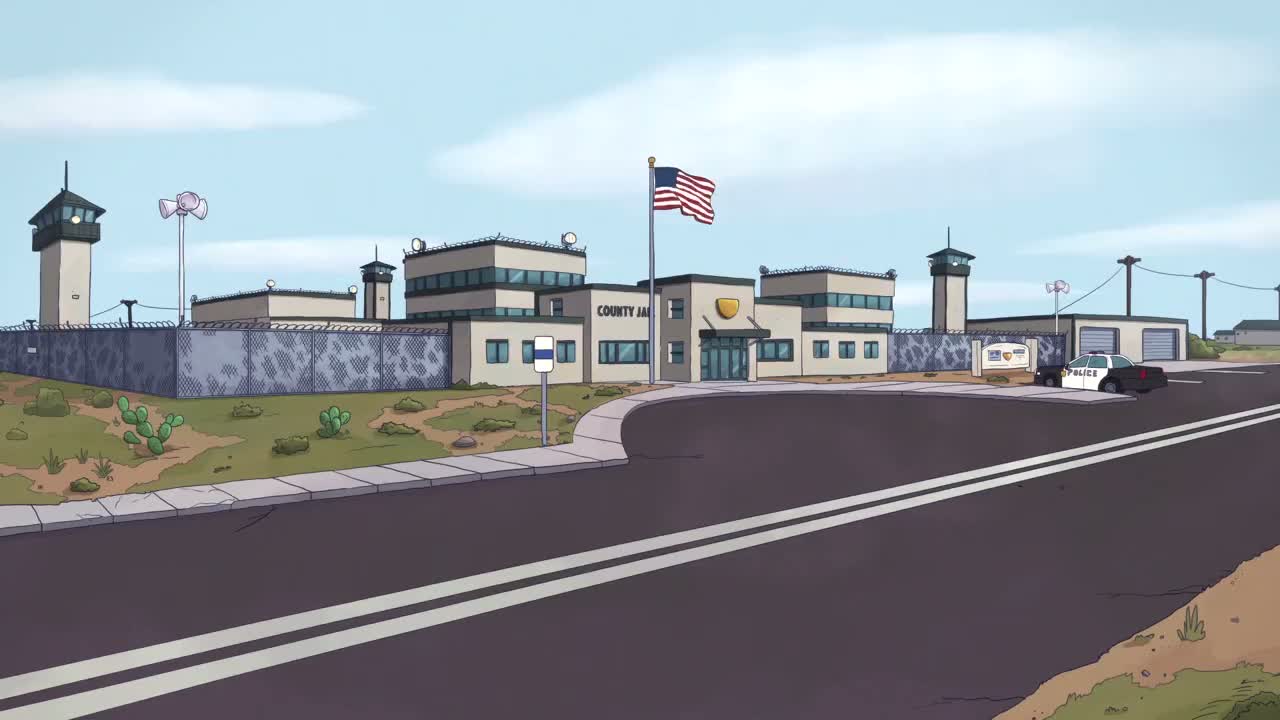
Up next · 14bail outThe scene: Cornholio Takes Over the Jail CellA student defines it as white people assuming they can take whatever they want and never getting stopped by police. The duo ignores the critique and hears a permission slip, so they act it out literally.
No. They are arrested almost immediately; a cop orders them to the ground, and the closing line confirms they are in jail. The privilege theory fails exactly as the class warned it would for others.
They deliver it sincerely and ask whether the two will change their behavior. The film's satire comes from the gap between that earnest framing and how the duo misuse it.
It means an unfair advantage — having connections or position that put you first in line for a job, like running on the inside lane of a track.