
講述化石發現經過
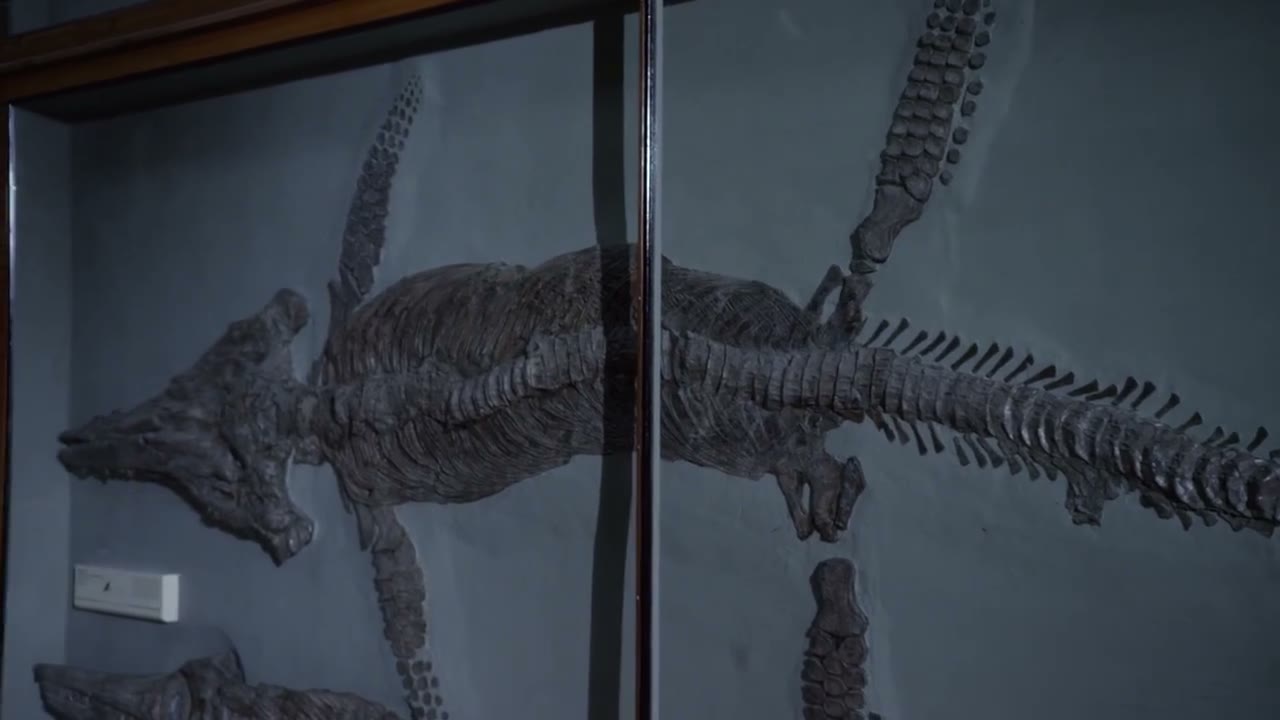
Owen and his friends called them ichthyosaurs
· David Attenborough's Natural History Museum Alive (2014)
AUDITION CUE SHEET & SCRIPT
David Attenborough's Natural History Museum Alive (2014)
講述化石發現經過
Lines: 10 | Words: 104
Time: 1m 2s
Target Pace: 101 WPM
| # | Time | Dialogue & Cue Beats | Acting Notes / Subtext / Blocking |
|---|---|---|---|
| 1 | 0:00 | But it was much closer to home, on the south coast in Dorset, | |
| 2 | 0:04 | that a group of amateur Victorian fossil hunters discovered these amazing fossilised creatures. | |
| 3 | 0:16 | But what kind of animals were they? | |
| 4 | 0:21 | They clearly lived in the sea because seashells are found alongside them in the rocks. | |
| 5 | 0:28 | They had bony paddles - not fins, like fish - | |
| 6 | 0:33 | and huge eyes, protected by a ring of plates. | |
| 7 | 0:39 | Those Victorian pioneer scientists, led by Professor Richard Owen, worked out that they were too old to be mammals | |
| 8 | 0:47 | and were certainly not fish. | |
| 9 | 0:49 | They were reptiles. | |
| 10 | 0:54 | Owen and his friends called them ichthyosaurs - "fish lizards." |
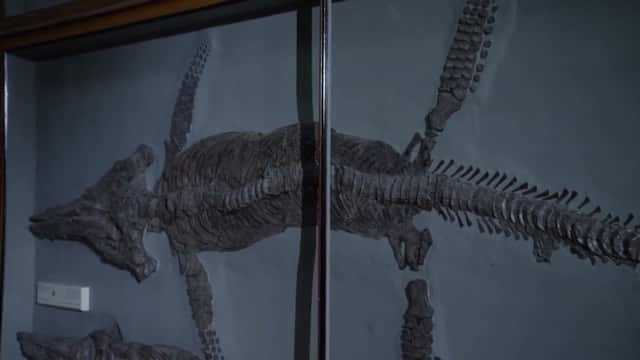
But it was much closer to home, on the south coast in Dorset,
但在離家更近的地方,在多塞特郡的南海岸,
that a group of amateur Victorian fossil hunters discovered these amazing fossilised creatures.
不停頓,跟上原速
空白鍵 播放/暫停 · ← → 上一句/下一句 · R 重播
為什麼值得練
冷靜的旁白把零散化石一步步拼成結論,懸念感強又節奏清晰。跟讀能練出長句呼吸與平穩語調,讓講述更有說服力。
阿滕伯勒站在博物館展廳,講述維多利亞時代的業餘化石獵人在多塞特海岸發現奇異化石,並還原科學家如何判定它們屬於爬行動物。
跟讀技巧
先輕聲讀 "They were reptiles.",在句前留半拍停頓;再重讀 "bony paddles" 和 "huge eyes",讓列舉有層次。
登入後收藏這段獨白、記下練過的句子,下次接著練。
《David Attenborough's Natural History Museum Alive》裡的其他獨白
 B252 句 · 5m 27s
It's hard to imagine a time when the world didn't know about dinosaurs
講述恐龍發現經過David Attenborough's Natural History Museum Alive · 2014反思啟發鼓舞從一顆牙齒到改寫認知,敘述層層推進;跟讀時能練清時間順序、解釋句和懸念停頓。 B26 句 · 39s
certain ancient animals that we'll never see with our own eyes
向觀眾介紹滅絕動物David Attenborough's Natural History Museum Alive · 2014反思啟發鼓舞短短幾句從可見的野生動物轉向永遠無法親見的滅絕生命,語氣剋制卻帶好奇,適合模仿旁白的停頓、重音和懸念鋪陳。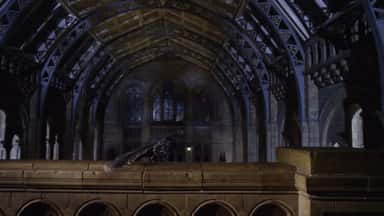 B210 句 · 1m
This creature was half reptile, half bird.
用證據層層說服聽眾David Attenborough's Natural History Museum Alive · 2014冷靜自我成長從羽毛到骨骼再到大腦掃描,講解一步步收緊證據,語氣剋制卻滿是驚歎。跟讀能練出條理清晰的陳述節奏和自然的停頓。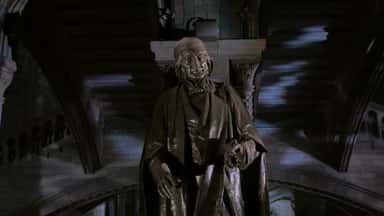 B213 句 · 1m 26s
This was no myth.
用證據解釋傳說David Attenborough's Natural History Museum Alive · 2014反思正劇從化石線索到“這不再是神話”,敘述一步步擡升懸念。模仿時可練清子音收尾、重音落點和設問語氣。
更多獨白
 B26 句 · 25s
you are the only ones who can do it
勸說團隊先出成果人工進化 · 2009堅定職場說服理想被現實壓住的一刻很抓人,模仿時能練到先讓步再推進的語氣,還能抓住 then we will talk 的重音落點,語氣更地道。 B27 句 · 34s
A watched pot never boils
用英語解釋冷知識密弒遊戲 · 2019機智輕喜劇從俗語切到量子冷知識,語氣由輕鬆變篤定,模仿時能練設問、停頓和解釋節奏。 B213 句 · 1m 15s
Something is wrong in this country
痛失親人後控訴Bowling for Columbine · 2002堅定心碎與告別父親壓制悲傷,把質問推向公共層面,情緒很有衝擊力。跟讀時能練到短句重複、重音落點和嚴肅英語表達的停頓。 B29 句 · 22s
I couldn't believe that I actually... Could represent an innocent man.
自責地講述誤判下流正義 · 2011脆弱自我成長從硬證據轉向自我懷疑,情緒很抓人。跟讀時重點練短句急停和尾句放慢,把後悔說得不誇張卻清楚。