00:00 / 03:49
00:00 / 03:49

The Winklevosses Meet President Summers, Explained

The Social Network · 2010

Capítulo 15 de 23 · 3'49"

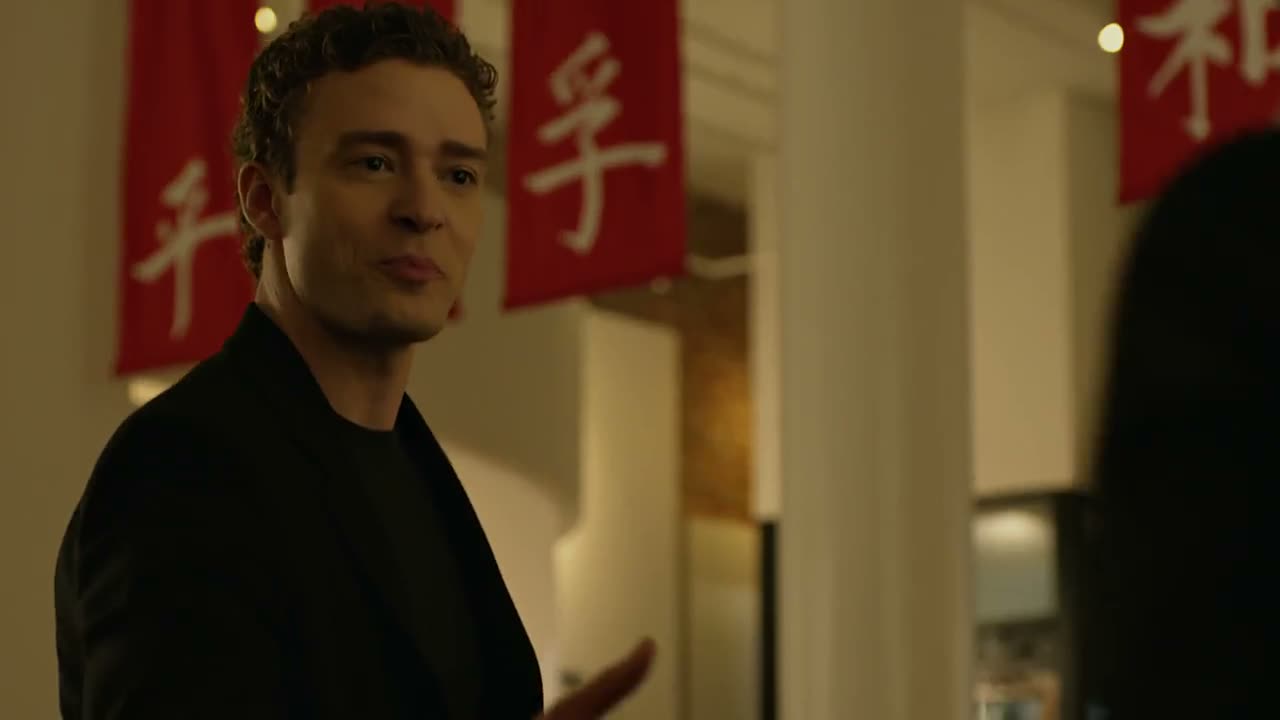
The Winklevoss twins bring their complaint to Harvard's president, quoting the student handbook against Mark. Summers is unimpressed: "You might just be letting your imaginations run away with you." When they push back, he reminds them who he is — "I was the US Treasury Secretary" — and sends them to the courts.

MeetingsNegotiationComplainingSaying noStrangersB2fastamericanClean

Key moments

Start here, then watch the full scene
  1. ❝ Monólogo · 4 frases The Winklevosses Push Back

    2:28–3:31
    63s
  1. ❝ MonólogoThe president's closing lecture4 frasesPracticar ↗

The Winklevosses Meet President Summers, explained

What happens

The Winklevoss twins go to President Summers to accuse Mark of stealing their idea, citing the Harvard handbook on honesty. Summers is dismissive, calling it petty larceny and telling them they are letting their imaginations run away with them. After a sharp exchange about who can judge the matter, he tells them to try the courts.

What's really going on

The scene is a lesson in how institutions protect themselves. The twins arrive with the rules on their side — a handbook clause on honesty, a stolen idea, a clear wrong — and Summers meets them with boredom. He reframes their case as "petty larceny," suggests they are letting their "imaginations run away," and points out that the code they quote binds students to the university, not to each other. When they insist he has no standing to judge, he ends the argument with rank: "I was the US Treasury Secretary." Finally he hands them off to the legal system, which is a polite way of refusing to help. Being right, the scene shows, is not the same as being heard.

Key lines & what they mean

“Well, darkness is the absence of light, and the stupidity in that instance was the absence of me.”
Summers' smug one-liner: he explains the failure as simply his own absence, mixing fake philosophy with pure vanity.
“You don't have to be an intellectual property expert to understand the difference between right and wrong.”
The twins' core appeal to common sense, which Summers treats as an insult to himself.
“Harvard undergraduates believe that inventing a job is better than finding a job.”
His pat generalization about students, used to dismiss their complaint as an ordinary campus habit.
“You might just be letting your imaginations run away with you.”
A dismissive way of saying their claim is a fantasy, delivered like friendly advice.

Theme

  • Power — Summers ends a moral argument with rank, reminding the twins that authority decides what counts as a university issue.
  • Justice — The twins have the rules and the facts, but the institution simply refuses to hear the case, showing how justice can be dodged.

Qué aprendes en este capítulo

Puntos de enseñanza

Repasa justo después de ver
Mi nivel0/4

A1–C2 es la escala MCER. Las tarjetas por encima del nivel elegido se atenúan y la reproducción no se pausa en ellas.

The Social Network: tu progreso

Capítulo 15 de 23 · quedan unos 28 min

← Anterior
Siguiente · 16a dog in this fightLa escena: Sean Parker Wins Over Mark

Preguntas frecuentes

La pregunta, luego la frase
What do the Winklevoss twins want from President Summers?

They want the university to act against Mark for stealing their idea, and they cite the student handbook on honesty and ownership. Summers refuses to treat it as a university matter.

Why does Summers call it petty larceny?

To belittle the claim. Labeling the idea-theft as minor theft lets him say the office does not handle such things, which pushes the twins away without arguing the merits.

What does Summers mean by imaginations running away?

He is suggesting the twins have invented a grievance and blown its value out of proportion. It is a polite-sounding way of calling their claims fantasy.

Why does Summers mention being Treasury Secretary?

To end the argument with status. When the twins question his judgment, he answers with resume rather than reason, showing that rank is his real authority.