00:00 / 03:12
00:00 / 03:12

Matuschek Turns on Kralik, Explained

Kralik can't figure out why his boss has gone cold, and Matuschek deflects every question with talk of pay and duty. Under the office bickering sits a Depression-era fear: 'Not when millions of people are out of work.' Walking out is easy to threaten, hard to survive.

Talking to the bossCriticism & layoffsComplainingConfrontingBoss & employeeB2fastamericanClean

Key moments

Start here, then watch the full scene
  1. Matuschek Dismisses Kralik's Complaint

    1:21–2:12
    51s
  2. Kralik Threatens to Quit

    2:19–3:10
    51s

Matuschek Turns on Kralik, explained

What happens

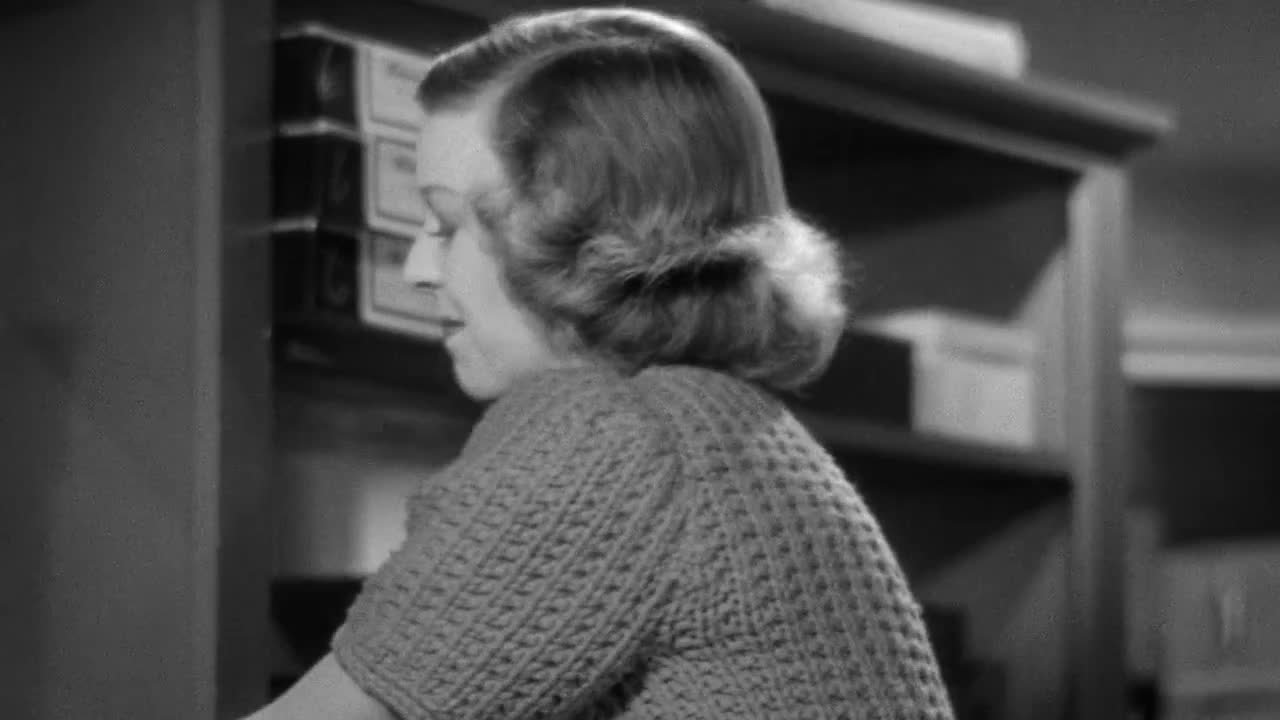
The clerks agree the shop window looks terrible and plan to redecorate after closing. An employee with an 8:30 engagement rushes off to change. Then Matuschek calls Kralik in, shrugs off his request, and treats a long-serving clerk like a nuisance. Kralik vents to Pirovitch, who warns him not to quit.

What's really going on

Nothing in this scene is really about a window. Matuschek keeps answering 'important to me' with 'Is it important to Matuschek and Company?', turning every personal plea into a question of profit, the reflex of a shop owner who has lost something at home. Kralik, his oldest employee, reads the coldness as personal: 'I'm completely at a loss to understand it.' Pirovitch supplies the era's real argument against pride: 'Not when millions of people are out of work.' The office is a pressure cooker where dignity is expensive and a job is survival.

Key lines & what they mean

“Not when millions of people are out of work.”
A warning against quitting on impulse: with so many unemployed, holding a job matters more than pride.
“I'm not going to stand for this much longer.”
Kralik has reached his limit with Matuschek's cold treatment and is close to walking out.
“Now, really, I'm completely at a loss to understand it.”
He honestly cannot account for why his boss's attitude changed, and says so plainly.
“I am. I have a family.”
Pirovitch admits he is afraid, because losing this job would hurt the people he supports.

Theme

  • Power — Matuschek owns the shop and can dismiss a loyal clerk's feelings with one question about pay.
  • Survival — In the Depression, quitting on principle is a luxury; millions out of work keep Kralik at his desk.

Qué aprendes en este capítulo

Puntos de enseñanza

Repasa justo después de ver
Mi nivel3/4

A1–C2 es la escala MCER. Las tarjetas por encima del nivel elegido se atenúan y la reproducción no se pausa en ellas.

The Shop Around the Corner: tu progreso

Capítulo 7 de 19 · quedan unos 55 min

← Anterior
Siguiente · 08call it a dayLa escena: Klara Asks Kralik for a Night Off

Ideas clave

Lo que te llevas
  1. Use pick on someone to describe repeated harassment.
  2. Recognize at a loss as confusion or helplessness.
  3. Soften complaints with seems to have changed.
  4. Use as soon as possible in practical requests.

Preguntas frecuentes

La pregunta, luego la frase
Why has Matuschek suddenly turned cold toward Kralik?

The scene never says. Matuschek deflects every question, and the clerks can only guess at business worries or trouble with his wife. Pirovitch refuses to gossip at all.

Why won't Pirovitch say what he knows about Matuschek's marriage?

He calls it none of his business and tells Kralik to leave him alone. He is protecting his own position and avoiding an awkward conversation about his boss.

Is Kralik right to want to quit?

The film lets both sides stand. His pride is wounded, but Pirovitch answers that with millions out of work, a steady job is not something to gamble away.

Why does Pirovitch bring up unemployment?

He is answering Kralik's boast that he can find work anywhere with the reality of the Depression: jobs are scarce, so quitting over a bruised ego is a risk he cannot afford.