
“What you do after working hours is your own business.”
Por qué es buena
A polite way to draw the line: after hours, what you do is none of my concern.
Registro
Neutral
Úsala tú
How I spend my weekends is my own business.
Capítulo 10 de 19 · 5'05"
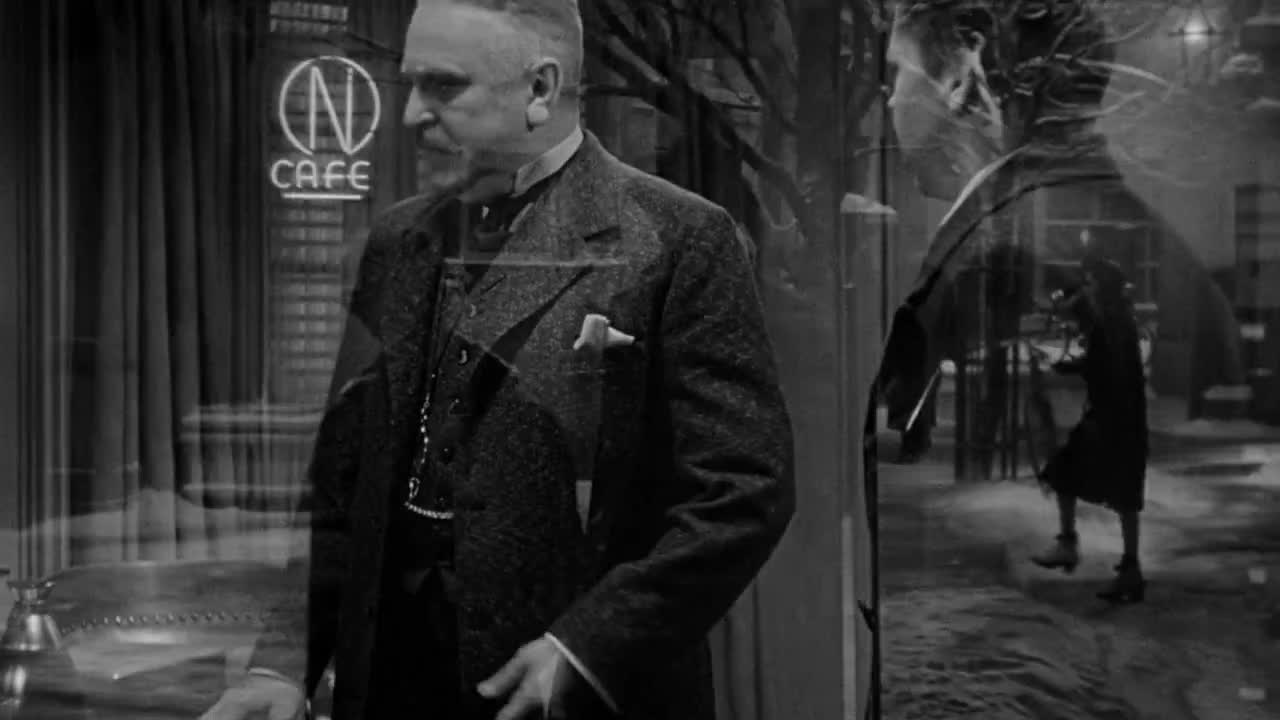
The shop is closing for the night. A clerk argues that the boss fired his best man, and is told to mind his own business. Later a private detective reports what the boss already feared about his wife — and names one of his own employees. "Twenty-two years we've been married."
A Clerk Defends the Man Who Was Fired
❝ Monólogo · 4 frases The Detective Names His Wife's Companion
At closing time in Matuschek's leather-goods shop, a clerk asks the owner why he let the best salesman go, and is warned to mind his own business and keep his job. That evening a private investigator brings a written report: Matuschek's wife left home, took a taxi, and met a young man — later identified as one of his own employees.
The boss runs the shop like a family and expects absolute loyalty — he reminds the clerk that speaking up costs him his job. "Mr. Pirovitch, you want to keep your job, don't you?" The clerk has a family and two children, so he backs down and goes home; loyalty only flows one way. The final blow lands through paperwork rather than confrontation. A detective reads out dates, times and street corners, and a wife's quiet evening walk becomes proof of betrayal. The cruelest detail is that the man she met is not a stranger but Matuschek's own employee — the same kind of trusted near-son figure he has just cast out. When he says "Twenty-two years I was proud of my wife," the shop and the marriage collapse in the same night.
A1–C2 es la escala MCER. Las tarjetas por encima del nivel elegido se atenúan y la reproducción no se pausa en ellas.
“What you do after working hours is your own business.”
A polite way to draw the line: after hours, what you do is none of my concern.
Neutral
“...just didn't want to grow old with me.”
The saddest kind of rejection, stated in the plainest words: she just didn't want to grow old with him.
literary
“Twenty-two years I was proud of my wife.”
One number carries a whole marriage, and the pride makes the betrayal cut deeper.
Neutral
“He was almost like a son to you.”
A single comparison turns an employee into family, which makes the dismissal look colder.
Neutral
Twenty-two years we've been married. Twenty-two years I was proud of my wife. Well, she.. ...just didn't want to grow old with me.
 Siguiente · 11had enough bad news for todayLa escena: Kralik's Blind Date Is Miss Novak
The film never states it plainly here, and that is the point: he acts on hurt pride, not on evidence. The clerk's protest — that Kralik was the best man he had, almost like a son — only makes the dismissal look more arbitrary.
He doesn't deny it. He confirms Vadas works for him, then says they had been married twenty-two years and that she just didn't want to grow old with him, as if the report only confirmed what he already suspected.
He is identified as Ferencz Vadas, one of Matuschek's own employees, and the detective makes a point of noting that both operatives recognized him.
It is a euphemism for firing someone. The clerk asks why the boss let the best employee go, meaning why he dismissed him, not why he allowed him to leave at the end of the day.
Not in the film's terms. He has a family and two children, and the boss's question makes the choice explicit: press the point and lose the job, or stay quiet and go home. He chooses his family.