00:00 / 02:52
00:00 / 02:52

Titanic Sets Sail, Explained

A Night to Remember · 1958

Chapter 2 of 14 · 2'52"

Everyone is smiling as the Titanic leaves port: families say goodbye, officers trade jokes about promotion, and the men on the bridge trade compliments about the new ship. One line sums up the mood before disaster: "I'd rather be second in the Titanic than first or even chief in any other ship."

Goodbyes & funeralsSmall talkSmall talkComplimentingB2fastbritishClean

Key moments

Start here, then watch the full scene
  1. Lightoller Would Rather Be Second

    0:54–1:19
    25s
  2. Andrews Won't Take the Bows

    2:18–2:44
    26s

Titanic Sets Sail, explained

What happens

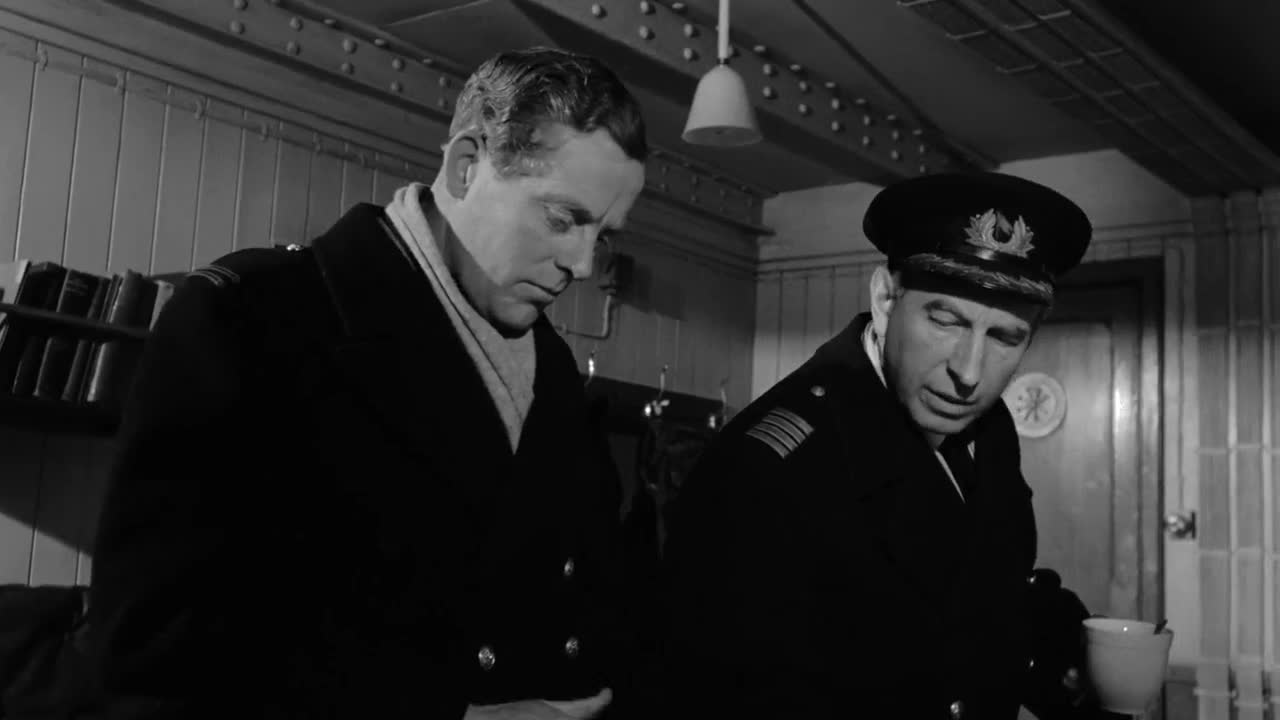
On sailing day, the Titanic leaves port amid cheerful send-offs. In the crew quarters, officers joke about who will be promoted, and Lightoller says he would rather be second on the Titanic than chief anywhere else. On the bridge, Ismay, Andrews and Captain Smith trade compliments about the new ship, while Andrews plays down his own role.

What's really going on

The scene is pure calm before the storm, and the film lets the irony do the work. Everyone on screen is measuring status and pride: officers gossip about promotions and whose nose is out of joint, while Ismay savours the welcome waiting in New York. Andrews, who actually built the ship, refuses credit — "You're the one who ought to take the bows. I'm only the office boy" — and one voice insists he is "just an ordinary passenger," a claim the rest of the film will test. The most quoted line, "I'd rather be second in the Titanic than first or even chief in any other ship," is both a career calculation and a boast about the vessel herself. None of them know the ship is hours from an iceberg.

Key lines & what they mean

“I'd rather be second in the Titanic than first or even chief in any other ship.”
Lightoller's boast and career logic: no other command compares with serving aboard the newest, grandest ship afloat.
“You're the one who ought to take the bows. I'm only the office boy.”
Andrews deflects praise for building the ship, a modesty that makes him the most likeable man on the bridge.
“With me, madam, it's the honor of serving the company, and to hell with the pay.”
A crewman's declaration that company honour matters more than money — the spirit that keeps the officers loyal to the line.
“I'm just an ordinary passenger on this trip.”
A modest-sounding line the film quietly undercuts: on a ship where everyone has a role, no one aboard is truly ordinary once disaster strikes.

Theme

  • Pride — Officers and owners measure status and praise a ship everyone is certain cannot sink.
  • Ambition — Lightoller and his colleagues openly weigh promotion and rank on the maiden voyage.

What this chapter teaches

Teaching points

Review right after watching
My level1/7

A1–C2 is the CEFR scale. Cards above the level you pick fade, and playback will not auto-pause on them.

A Night to Remember: your progress

Chapter 2 of 14 · about 38 min to go

← Previous
Up next · 03keep a sharp look outThe scene: Titanic's Ice Warnings Go Unheard

Takeaways

What you walk away with
  1. A send-off is the crowd seeing you off
  2. To hell with something shrugs it off
  3. Take the bows means accept the credit
  4. First officer outranks second on a ship

People also search

Questions, then the lines
What does "nose out of joint" mean?

It means someone feels slighted or annoyed at being passed over. In the scene it is used of Murdoch, whose nose is out of joint this trip over the question of promotion.

Why is Murdoch unhappy on this trip?

The officers say the promotion question depends on whether old Wilde is kept on. Murdoch, described as ambitious, is the one whose nose is out of joint about it.

Why would Lightoller rather stay second officer than take a bigger command elsewhere?

He rates the ship above the rank. Second officer on the newest, grandest liner afloat counts for more to him than being first officer or even chief on any older vessel — part career logic, part pride in the Titanic.

Why does Andrews say he is "only the office boy"?

When praised as the man who built the Titanic, Andrews deflects the credit and plays down his own role, even though he is the ship's designer.