
“I told him that we had chased ghost crabs.”
Why it's great
The best part of his day goes to his father; the retelling carries how much he wants that bond.
Register
Neutral
Use it yourself
I told him that we had won the match.
Chapter 16 of 18 · 2'11"
On the surface this is a quiet night of kids talking about ghost crabs, but underneath the chapter is about a man trying to talk his way back into a marriage. Trent admits he was wrong and promises, "I have to be better." Duncan, meanwhile, listens to the other family and their two stories quietly echo.
❝ Monologue · 5 lines The Kids Talk About Ghost Crabs
Trent Apologizes to Pam
Duncan and the neighboring kids talk about the ghost crabs they chased, and about the fathers they miss, one of them saying it felt like the missing parent was right there. In another house, Trent catches Pam outside and apologizes for his mistake, telling her she deserves better and promising to change, for her and for Duncan.
The chapter sets two kinds of family side by side without ever making the comparison explicit. The ghost crab talk is about absence: a child describes explaining the crabs to a father who is not there and says "I felt like he was here." Down the street, Trent is trying to undo the damage he has done, and his apology moves from excuses to the plain admission that he is the one who has to change. His "I have to be better." is the line the film hangs the scene on, because it is the first time he asks for nothing in return. The two conversations rhyme: everybody in them is missing someone and hoping a few words can close the gap.
A1–C2 is the CEFR scale. Cards above the level you pick fade, and playback will not auto-pause on them.
“I told him that we had chased ghost crabs.”
The best part of his day goes to his father; the retelling carries how much he wants that bond.
Neutral
“I felt like he was here.”
No pleading, just a quiet illusion of presence; that restraint is what makes it land.
Neutral
“So they have to gather their food at night for safety.”
A dry fact about crabs, told with such care that it becomes endearing.
Neutral
“You deserve better. I know that.”
He gives her dignity first, then adds I know that, so the apology sounds owned rather than cheap.
Neutral
“I have to be better.”
Repeated, it adds no information; it just exposes how badly he wants to believe it.
Neutral
He gets so excited. They can see everything that's around them. But they can't look straight up. Which makes it easy for birds to attack them. So they have to gather their food at night for safety.
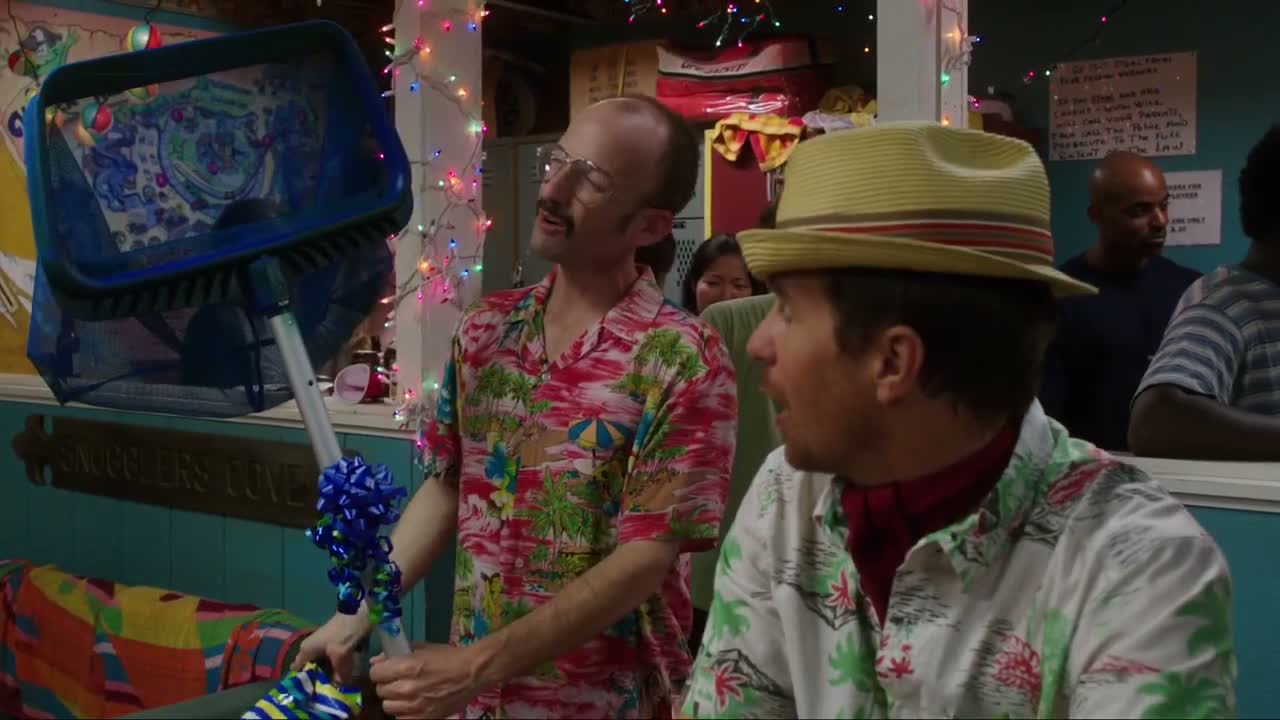 Up next · 17pour one's heart outThe scene: Lewis Gets a Water Park Sendoff
He is talking to Pam, Duncan's mother, after his mistake. He catches her alone and admits she deserved better than the way he treated her.
It is framed as a betrayal Pam found out about. Trent calls it a stupid mistake and says it did not mean anything, which is what makes her doubt him.
It is the one thing he can promise that is about changing himself rather than excusing the past. Repeating it shows he knows an apology alone is not enough.
It is about kids describing crabs to a parent who is not around. The crabs' eyes and their night habits become a way of talking about someone who is missed.
Not right away. The scene leaves the answer open, and the film goes on testing whether Trent actually changes rather than just saying he will.