
“Do not live, Hero! Do not open thine eyes!”
Why it's great
A father's unbearable grief comes out as a command he does not really mean.
Register
literary
Use it yourself
Do not touch it. Do not even look at it.
Chapter 16 of 24 · 3'07"
Hero is publicly accused and collapses, and the men she loves most seem ready to let her die: "Hence from her, let her die!" Friar Francis stops the rush to judgment and proposes a deception instead — hide Hero, announce that she is dead, and let Claudio's guilt do the rest once he believes his words killed her.
Hero Collapses at the Wedding
❝ Monologue · 7 lines The Friar's Plan Is Accepted
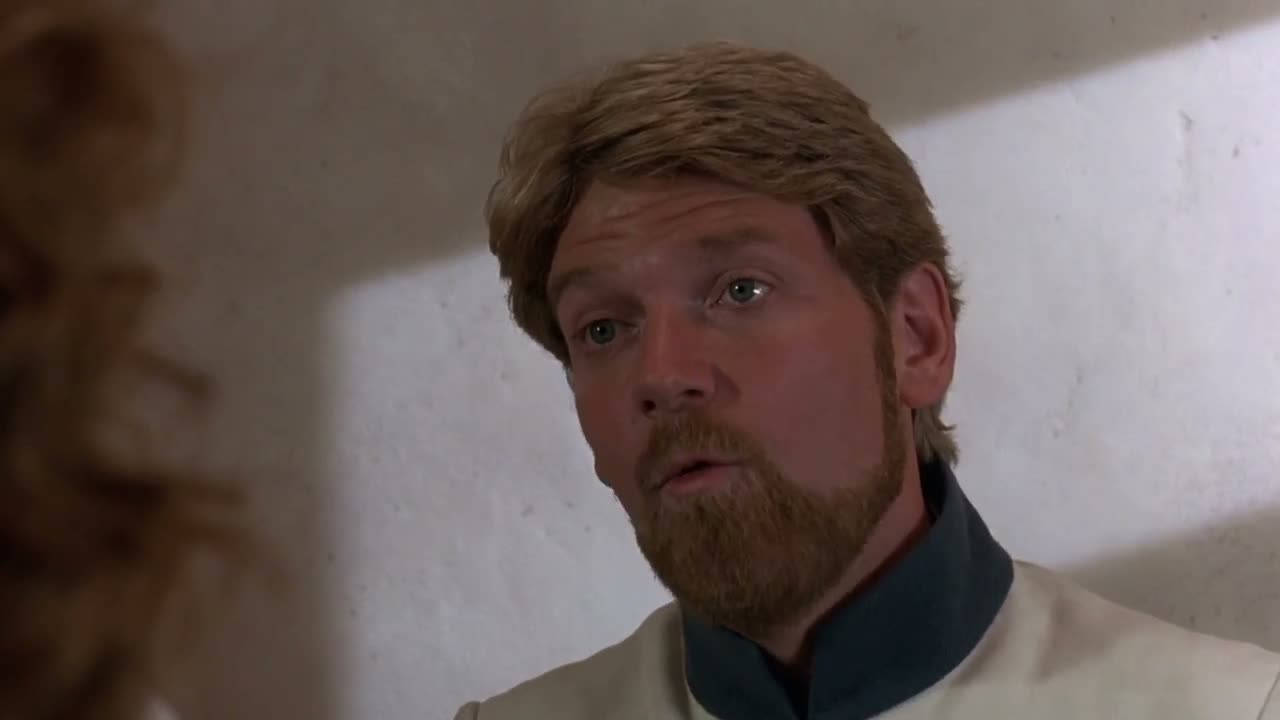
At the wedding, Hero collapses after being accused of infidelity. Leonato wishes he had never had a daughter, and some are ready to believe the worst. Friar Francis quiets the room, asks Hero who her accuser is, then lays out a plan: keep her hidden and spread the news that she died on hearing the charge, so Claudio will mourn and repent.
The scene pivots on a piece of stagecraft anyone can use: when you can't win a fight head-on, change what the fight is about. Friar Francis can't prove Hero innocent, so he stops trying to. He argues that once she is believed dead, the same crowd that condemned her will pity her — "shall be lamented, pitied, and excused of every hearer" — and Claudio will rehearse her memory until he repents. Leonato, too wrecked to resist, agrees at once: "Being that I flow in grief, the smallest twine may lead me." The plan also quietly answers the honor problem. In this world a ruined woman is as good as dead, so the friar turns that logic against itself: let her be dead, and the men who killed her reputation will have to live with it.
A1–C2 is the CEFR scale. Cards above the level you pick fade, and playback will not auto-pause on them.
“Do not live, Hero! Do not open thine eyes!”
A father's unbearable grief comes out as a command he does not really mean.
literary
“Hath no man's dagger here a point for me?”
It asks for a blade to end the pain, turning plain despair into poetry.
literary
“For my part, I am so attired in wonder, I know not what to say.”
It dresses shock in clothing, making speechlessness something you can almost see.
literary
“If they wrong her honour, the proudest of them shall well hear of it.”
A quiet promise to confront the proudest one sounds far more dangerous than a shout.
Formal
“Being that I flow in grief, the smallest twine may lead me.”
A drowning man's image: grief is the water, advice the thin thread that can still pull him.
literary
“Let her awhile be secretly kept in, and publish it that she is dead indeed.”
A calm sentence that turns a living girl into a rumor of a corpse.
Formal
She dying, as it must be so maintained, upon the instant that she was accused, shall be lamented, pitied, and excused of every hearer. So will it fare with Claudio. When he shall hear she died upon his words, the idea of her life shall sweetly creep into his study of imagination, and every lovely organ of her life shall come apparelled in more precious habit than when she lived indeed. Then shall he mourn, and wish he had not so accused her.
 Up next · 17in the height a villainThe scene: Beatrice Asks Benedick to Kill Claudio
He has no proof she's innocent, and the accusers are princes, so an argument won't win. If she's believed dead, the crowd will pity her, and Claudio will mourn the woman his words destroyed — a reversal nobody can argue with.
He's too grief-stricken to fight. He says, "Being that I flow in grief, the smallest twine may lead me" — meaning any guidance will pull him along, so he takes the friar's plan on the spot.
It buys time and sympathy. Hero is hidden while the news of her death spreads; the same people who believed the charge are expected to grieve for her and excuse her, and Claudio is meant to repent.
It means to make it public — not to print it. The friar wants the story of Hero's death spread as widely as possible, so the whole city hears it.
Friar Francis is the priest who was to marry Claudio and Hero. Instead of condemning Hero, he questions her, doubts the princes' story, and proposes the false death that drives the rest of the plot.