00:00 / 04:53
00:00 / 04:53

Hale Visits the Proctors at Night, Explained

The Crucible · 2014

Capítulo 13 de 29 · 4'53"

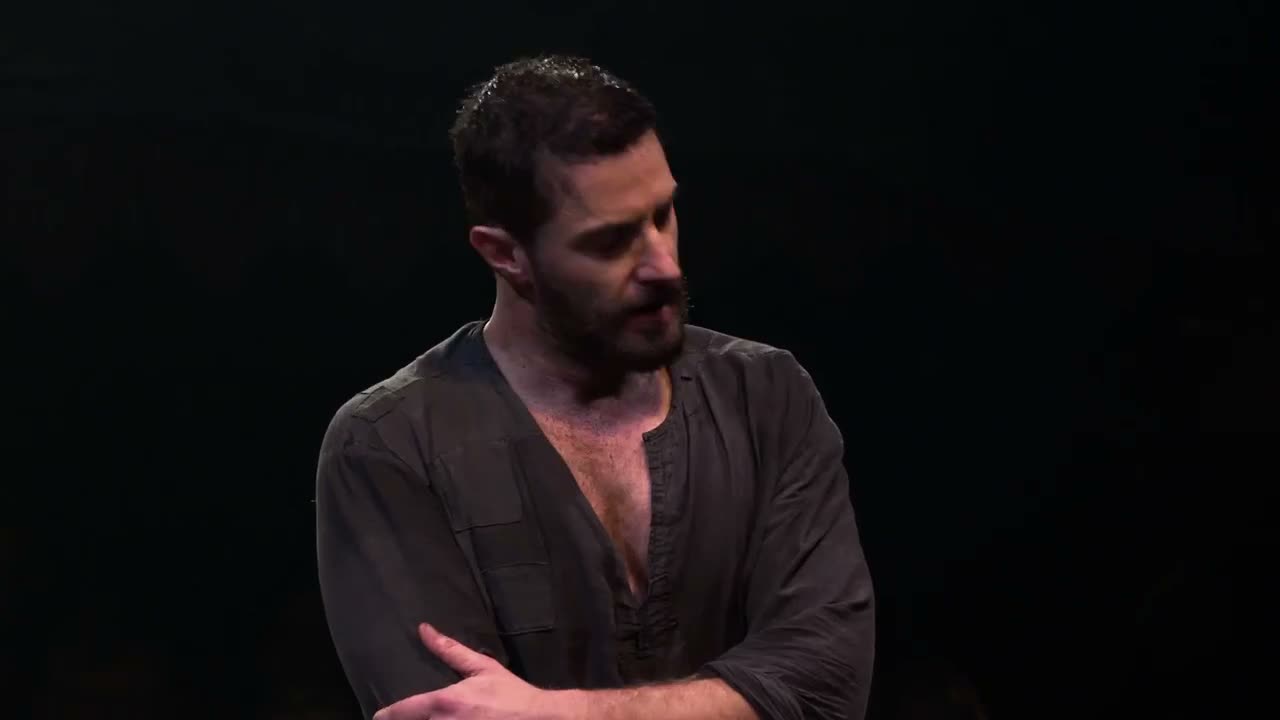
Hale arrives at the Proctor house after dark to warn them that Elizabeth's name has been mentioned, then begins questioning Proctor about his church attendance. Proctor turns the questions back on Parris and his golden candlesticks, and the visit ends with a question about his unbaptized child.

InterrogationsAccusationsExplainingComplainingStrangersB2slowbritish

Key moments

Start here, then watch the full scene
  1. Proctor Defends Why He Skips Church

    2:57–4:26
    89s

Hale Visits the Proctors at Night, explained

What happens

At night, Reverend Hale visits John and Elizabeth Proctor, saying he is a stranger here and that Elizabeth's name has been mentioned in court. He questions Proctor about why he rarely comes to church, and Proctor answers by attacking Parris's love of golden candlesticks. Hale closes by asking why only two of Proctor's three children are baptized.

What's really going on

The visit looks like pastoral care, but it is also an examination. Hale admits his position at once — "I am a stranger here" — and uses that distance to ask what no one else in Salem has asked to his face: why does Proctor so seldom attend church? The answer is a grievance. Proctor says he will not account to Parris for staying home, and describes how the minister's new golden candlesticks turned worship into a reminder of money: gazing at them, he says, hurt his prayer. Hale answers with doctrine — "your house is not a church; your theology must tell you that" — and then changes the subject to something sharper: baptism. His final question about the unbaptized child shows the visit's real method. Friendly questions about faith can be turned into evidence, and Hale is already collecting it, one household at a time.

Key lines & what they mean

“We are not used to visitors after dark, but you're welcome here.”
Elizabeth's greeting: a polite welcome wrapped around the fact that a night visit is unusual and slightly unwelcome.
“No, it rebels my stomach; I have some further traveling yet tonight.”
Hale declines the cider with a bodily excuse, hinting that he is not staying and is still on his errand.
“I surely did come when I could, and when I could not I prayed in this house.”
Proctor's defense of his absences: he came when possible and prayed at home, so he thinks his faith is intact.
“Mr. Proctor, your house is not a church; your theology must tell you that.”
Hale's rebuke, drawing the line between private prayer and the public worship the community requires.
“Francis Nurse made them, y'know, and a sweeter hand never touched the metal.”
Proctor praises the plain pewter candlesticks Francis Nurse made, setting honest craft against Parris's gold.
“I think, sometimes, the man dreams not clapboard meeting houses.”
Proctor's jab at Parris: he suspects the minister dreams of grand buildings and wealth, not of the simple meeting house.

Theme

  • Faith — Hale tests the Proctors' faith with questions, while Proctor measures religion by Parris's greed for golden candlesticks.
  • Secrets — A name already mentioned in court brings the witch hunt into the house as a quiet, personal questioning.

Qué aprendes en este capítulo

Puntos de enseñanza

Repasa justo después de ver
Mi nivel1/8

A1–C2 es la escala MCER. Las tarjetas por encima del nivel elegido se atenúan y la reproducción no se pausa en ellas.

The Crucible: tu progreso

Capítulo 13 de 29 · quedan unos 68 min

← Anterior
Siguiente · 14bear false witnessLa escena: Hale Tests Proctor on the Commandments

Ideas clave

Lo que te llevas
  1. God forbid is a fixed wish that nothing bad happens.
  2. To traffic with someone is to deal with them secretly.
  3. Account to means to answer for your actions to someone.
  4. Far from accused means she is not accused at all.

Preguntas frecuentes

La pregunta, luego la frase
Why does Hale visit the Proctors at night?

He comes on his own, not for the court, to warn them that Elizabeth's name has been mentioned and to question Proctor quietly before the matter grows.

Why does Proctor rarely go to church?

He says he came when he could and prayed at home when he could not. The deeper reason he gives is Parris: the preaching and the golden candlesticks turned worship into a display of money.

Why does Proctor resent Parris?

He feels Parris cares about show. He says the pewter candlesticks Francis Nurse made were good enough, and that looking at Parris's golden ones hurt his prayer.

Why does Hale ask whether the third child is baptized?

The record shows only two of Proctor's three children were baptized. To Hale an unbaptized child is a serious sign about the household's faith, so the friendly questions turn into evidence.

What does 'God forbid' mean?

It means 'may it never happen.' Hale says it when Rebecca Nurse's name comes up, meaning he hopes such a good woman will not be charged.