00:00 / 04:17
00:00 / 04:17

Poppins Meets the Sycamores, Explained

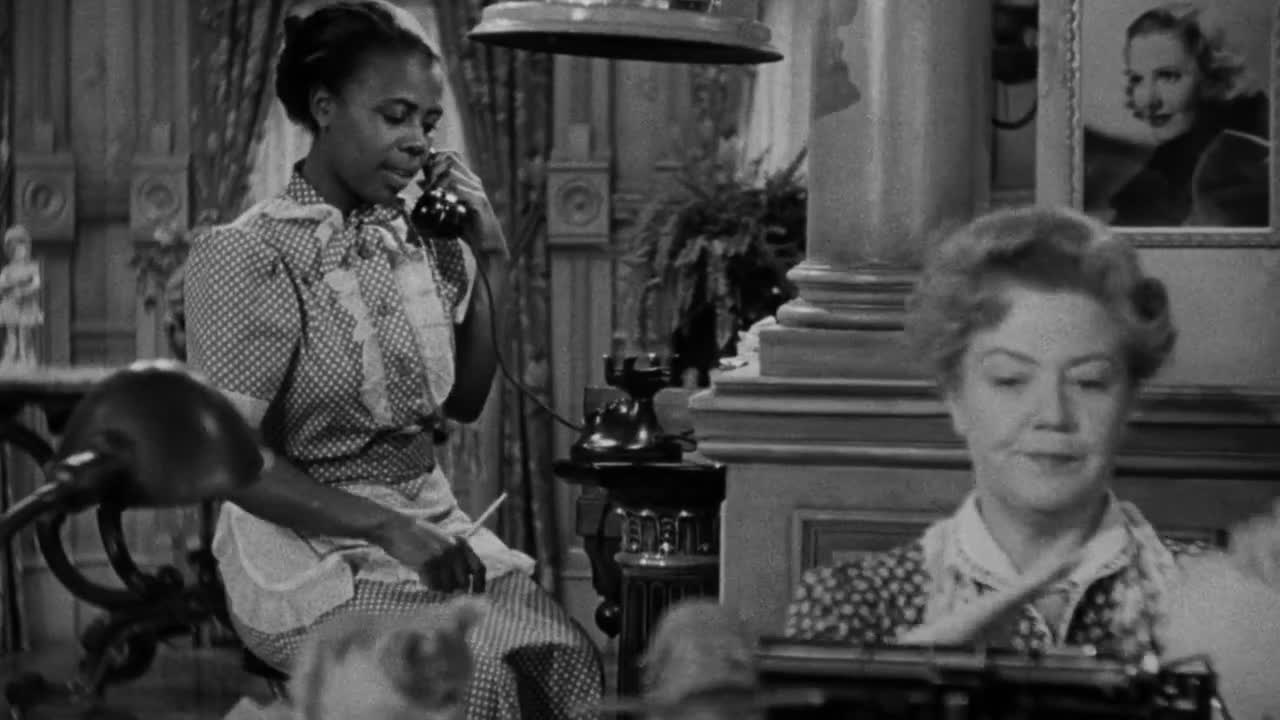
Poppins is introduced to the whole Sycamore household, and when Penny is stuck in her play he suggests she write about "ism" mania instead: "everybody's got an 'ism' these days." The scene turns into a quiet joke about politics and the ease of picking a side.

Small talkPartiesSuggestingExplainingFriendsB2slowamericanClean

Key moments

Start here, then watch the full scene
  1. Poppins Suggests an 'Ism' Play

    2:53–3:32
    39s
  2. ❝ Monologue · 6 lines Poppins Contrasts Lincoln With Today

    3:47–4:16
    29s
  1. ❝ MonologueGrandpa's Americanism speech6 linesPractice page ↗

Poppins Meets the Sycamores, explained

What happens

Poppins meets the Sycamores one by one and is welcomed as a guest. When Penny complains that she is stuck in her play, he suggests a new subject: "ism" mania, since everyone these days seems to have an ideology. She likes the idea and adapts it for her character.

What's really going on

The chapter is the film's gentlest piece of political satire, and it is delivered by an eccentric inventor who barely knows what politics is. Poppins notices that ideologies are fashionable and treats them like a product, saying that when times get hard, you get yourself an ism and you are in business. The joke cuts both ways, because he is not attacking any particular cause, only the ease with which people adopt one. Then he names what he actually values, quoting Lincoln's line, "With malice toward none, with charity for all," and contrasting it with the modern threat: "Think the way I do or I'll bomb the daylights out of you." The scene is funny, and underneath it is the film's plainest statement of what it believes.

Key lines & what they mean

“You know, communism, fascism, voodooism, everybody's got an "ism" these days.”
The observation that turns politics into a fad, listing isms as if they were brands.
“Nowadays they say, "Think the way I do or I'll bomb the daylights out of you."”
His blunt summary of modern intolerance, said with the calm of a man stating the weather.
“Lincoln said, "With malice toward none, with charity for all."”
The quote he offers as a contrast, the standard he thinks the country has abandoned.
“When things go a little bad nowadays, you go out and get yourself an "ism," and you're in business.”
His theory of ideology as a business decision, funny because it is nearly true.

Theme

  • Satire — Poppins treats fashionable ideologies as a consumer product, gently mocking a decade of competing isms.
  • Philosophy — The scene sets Lincoln's charity against the modern habit of threatening anyone who disagrees.

What this chapter teaches

Teaching points

Review right after watching
My level6/9

A1–C2 is the CEFR scale. Cards above the level you pick fade, and playback will not auto-pause on them.

You Can't Take It with You: your progress

Chapter 4 of 27 · about 77 min to go

← Previous
Up next · 05would you be so kind as toThe scene: Tony Flirts on the Office Phone

Takeaways

What you walk away with
  1. Grandpa turns a family chat into an argument about national character.
  2. The list of isms shows how a running gag can carry a theme.
  3. In business stretches from shops to anything that is ready to go.
  4. These days quietly sets today against an older, better past.

People also search

Questions, then the lines
What does Poppins mean by "ism" mania?

He means that people keep inventing and adopting ideologies, as if picking an ism were a fashion or a product you could buy to solve your problems.

Why does Penny like the idea?

She is stuck in her play, with her character trapped in a monastery. The ism idea gives her a new direction, and she decides to use it in the story.

What is Poppins's complaint about modern politics?

He says people now demand that everyone think the way they do, or they threaten violence. He contrasts that with Lincoln's line about malice toward none.

Who is Poppins?

He is a guest staying with the Sycamores. He invents things, and the family notes that he makes up stories, including a claim that he once delivered ice to the house.