
“I had just killed somebody.”
Why it's great
Five plain words deliver an irreversible fact with nowhere to hide.
Register
Neutral
Use it yourself
I had just told my boss exactly what I thought.
Chapter 4 of 24 · 3'39"
In the mountains of Kyrgyzstan, six nights into captivity, Tommy and his fellow climbers see their one chance: a lone captor, on terrain they know and he does not. "If we're going to escape, this is the opportunity," the narration says. Tommy pushes the man off the cliff, and immediately falls apart: "I had just killed somebody."
Tommy Breaks Down
Six nights into being held hostage in Kyrgyzstan, Tommy Caldwell and the other climbers realize their captors have no real plan. When two of them leave and only one stays to guard them, the group decides to act. As they climb a cliff they know well, Tommy pushes the remaining captor off the edge to save their lives, then breaks down over what he has done.
The scene is the moral center of Tommy's past, and the film does not soften it. He is not a hero in the moment; he is a terrified young man who has decided that someone else has to die so that he and his friends can live. "I had just killed somebody," he says, and the flatness of the line is what makes it unbearable. His friends rush to absolve him — you are not a bad person, you saved our lives — but he cannot take the comfort. What the film captures is the gap between survival and self-forgiveness: the body runs on adrenaline for four hours to the army outpost, while the mind is still back on the ledge. "The whole world came crashing down on me all at once" is not an exaggeration here; it is the moment his sense of who he is breaks.
A1–C2 is the CEFR scale. Cards above the level you pick fade, and playback will not auto-pause on them.
“I had just killed somebody.”
Five plain words deliver an irreversible fact with nowhere to hide.
Neutral
“The whole world came crashing down on me all at once.”
Instead of naming guilt it makes the whole world physically collapse on him.
Neutral
“If we're going to escape, this is the opportunity.”
A condition and a verdict in one breath: this is the moment to act.
Neutral
“We were comfortable on the terrain, and he was not.”
The calm parallel of comfortable and not hides the lethal advantage it implies.
Neutral
“I couldn't believe what I had just done.”
Not believing it lets shock and guilt share one line without a single lament.
Neutral
“So even on almost no food for six days, adrenaline kicked in.”
Adrenaline overrides six days of hunger, and the contrast carries the survival.
Neutral
“They were ready to take matters into their own hands.”
Taking matters into their own hands sounds calm but means killing, and that gap chills.
Neutral
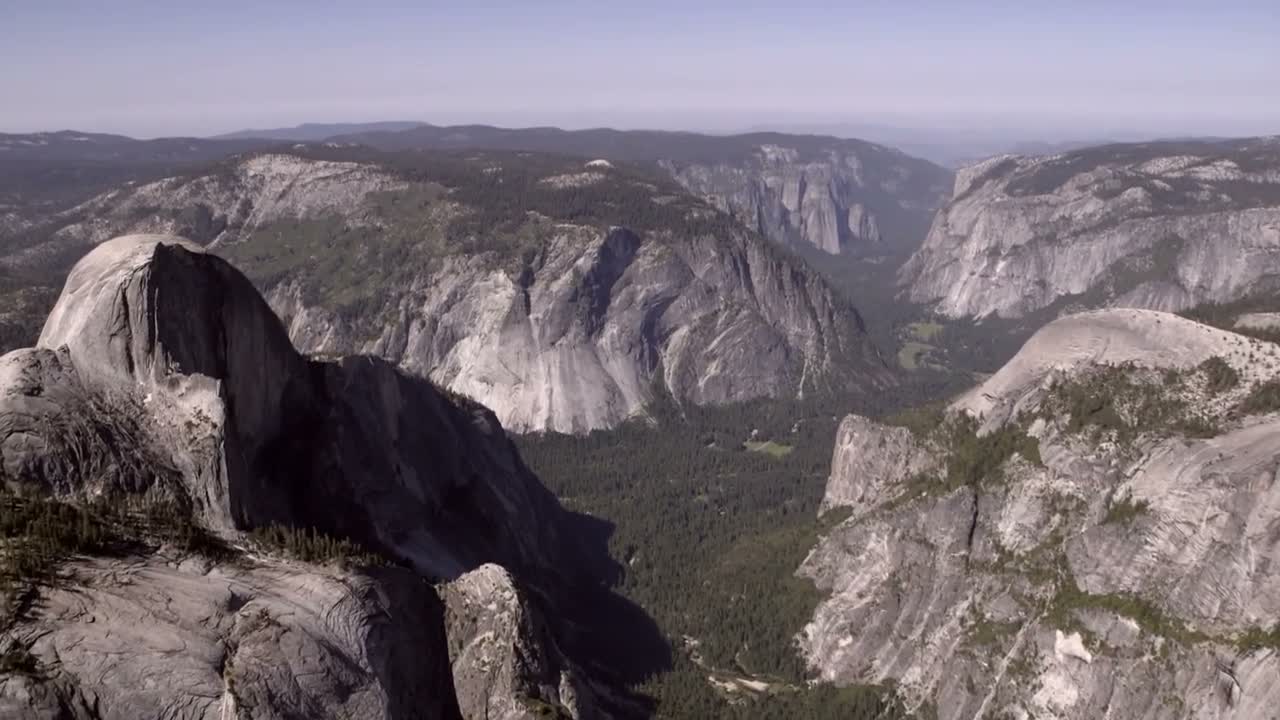 Up next · 05on the verge ofThe scene: Tommy Caldwell Attempts the Dawn Wall
He and the other climbers believed it was the only chance to escape. With one guard left and terrain they knew better than he did, they decided to act before the moment passed.
The film presents it as a life-or-death choice, not a simple one. The group believed the alternative was staying captive, and Tommy is shown agonizing before it and shattered after.
After the escape they ran for hours through the dark valley to a military outpost they had seen on the way in, where the Kyrgyz army took them in and later flew them out.
It means to stop waiting for someone else to fix a situation and act directly. Here it describes the climbers deciding to force their own escape.