
“I was just floating across the pitch.”
Why it's great
The word floating turns a hard climb into something almost weightless.
Register
Neutral
Use it yourself
By the last page I was just floating across the keys.
Chapter 20 of 24 · 3'14"
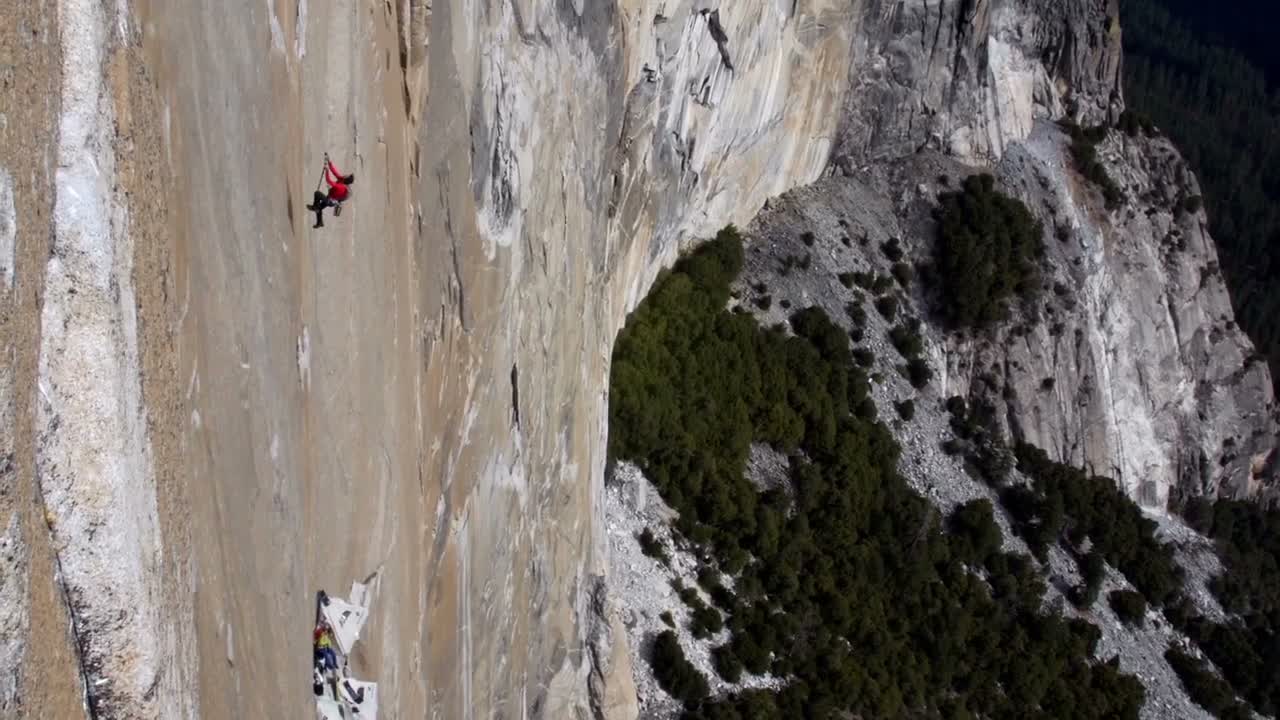
Kevin returns with healed fingers and climbs the traverse almost perfectly — and still falls. "Everything was perfect, and I still didn't do it." After four failed attempts in one night, he decides to stop chasing his own summit and support Tommy's, with bad weather closing in.
Kevin Fails a Perfect Attempt
❝ Monologue · 4 lines Kevin Lets Go of His Own Summit
After days of rest, Kevin goes back at pitch 15. A cold breeze makes him feel weightless and the moves flow, yet he still falls at the end. He tries four times that night and loses every attempt. With the weather turning, he decides to give up his own summit and help Tommy finish the climb.
The near-send is crueller than an obvious failure, because Kevin knows exactly how close it was. "Everything was perfect, and I still didn't do it," he says, and the sentence carries the whole weight of the chapter: effort and outcome do not always line up, no matter how well you prepare. The temptation is to read it as a story about not being good enough — the journalist even jokes that he is now the man who almost climbed the Dawn Wall — but the film keeps the question open. "It was a battle, and I didn't win." What he does next is the real answer: instead of forcing another attempt, he throws in the towel and turns his energy to Tommy. Quitting his own goal becomes the way he keeps the climb alive.
A1–C2 is the CEFR scale. Cards above the level you pick fade, and playback will not auto-pause on them.
“I was just floating across the pitch.”
The word floating turns a hard climb into something almost weightless.
Neutral
“Everything was perfect, and I still didn't do it.”
The setup promises everything and the second half takes it away in plain words.
Neutral
“It was a battle, and I didn't win.”
Calling it a battle dignifies the attempt and makes losing feel real.
Neutral
“Now you're the guy that almost climbed the Dawn Wall.”
One word, almost, turns a great achievement into a lasting label of regret.
Neutral
“Because that's all you get.”
A four-word verdict that sounds calm and crushing at once.
Informal
“I'm just going to throw in the towel and support Tommy to the top.”
The idiom admits defeat, but the second half turns it into an act of support.
Informal
It was a battle, and I didn't win. It was pretty clear that that was it. Like, you had your chance. You weren't good enough.
 Up next · 21envisionThe scene: Tommy Reaches Wino Tower
The traverse leaves almost no margin. He moved as well as he ever had, but the sequence is so hard that a perfect attempt can still end in a fall.
Four times. He kept falling on the same pitch, and by the end admits it was a battle he did not win.
The weather was about to turn bad, and time was running out. Rather than keep failing on pitch 15, he chose to throw in the towel and help Tommy finish the route.
The man who almost climbed the Dawn Wall. The film and press frame him by how close he came, which is both a compliment and a burden.