
“Hey, look. I don't make the rules.”
Why it's great
It refuses you by putting the no on a rule, so the speaker sounds as if the decision is not in their hands.
Register
Informal
Use it yourself
I don't make the rules. Expired coupons will not scan.
Chapter 8 of 12 · 2'44"
On the surface, someone wants past the rope. The club is full, so the answer is the end of the line. Underneath, the refusal turns personal: a pet name, a claim that the rules are not theirs to make, and the flat line "It is what it is." The real fight is who gets to decide who belongs inside.
The Club Is at Capacity
❝ Monologue · 12 lines The doorway rant
The speech climbs from a refused queue to an attack on borrowed power, each line sharper.
❝ Monologue · 9 lines Sorry, Still Not Getting In
At a nightclub door, a greeting is cut off with "End of the line." The club is at capacity, and coming here all the time changes nothing. A pet name turns the refusal into a shout about who has a right to be inside. Someone then says they hate judging who gets in, and still explains the no: too old for this club, and one of them is pregnant.
The official reason is short. "Look, we're at capacity, okay?" Then a softer promise: people get in when the room clears out, if they go to the end of the line. They say they come here all the time, and that it does not look crowded. "Hey, look. I don't make the rules" moves the blame off the person holding the rope. A pet name changes the fight. "No, you don't need to call me sweetie" is about respect, not capacity. The shout that follows strips the job down: power now, but not God, just a doorman. After that, someone agrees, hates the job, and says "I don't want to be the one to pass judgment and decide who gets in." The speech then does the judging anyway: too old for this club, not for the Earth; one of them is pregnant; they should be at yoga; "Your old ass should know better than that." The apology never lifts the no.
A1–C2 is the CEFR scale. Cards above the level you pick fade, and playback will not auto-pause on them.
“Hey, look. I don't make the rules.”
It refuses you by putting the no on a rule, so the speaker sounds as if the decision is not in their hands.
Informal
“No, you don't need to call me sweetie.”
It names the fake sweetness and shuts it down without smiling along.
Informal
“You may have power now, but you're not God!”
It grants a little authority and then knocks that authority off its pedestal.
Informal
“I don't want to be the one to pass judgment and decide who gets in.”
After all the blocking, formal wording makes that power sound like a burden.
Neutral
“I can't let you in 'cause you're old as fuck, for this club, not, you know, for the Earth.”
The insult lands, and the rushed correction makes it ruder rather than kinder.
Informal
“Your old ass should know better than that.”
A sensible-sounding scolding gets dragged into a blunt insult about age.
Informal
I'm not gonna go to the end of the fucking line. Who the fuck are you? I have just as much of a right to be here as any of these little skanky girls! What, am I not skanky enough for you? You want me to hike up my fucking skirt? What the fuck is your problem? I'm not going anywhere! You're just some roided out freak with a fucking clipboard! And your stupid little fucking rope! You know what? You may have power now, but you're not God! You're a doorman! Okay? You're a doorman, doorman, doorman, doorman, doorman! So, fuck you, you fucking fag with your fucking little faggy gloves.
I'm only allowed to let in 5% black people. He said that. 5%. That mean if there's 25 people here, I get to let in one-and-a-quarter black people. So I got to hope there's a black midget in the crowd. Now I feel guilty. I'm sorry. Why y'all wanna be in here anyway? Y'all need to be at a yoga class or something. What the fuck is she doing at the club? That's not even good parenting right there. Your old ass should know better than that.
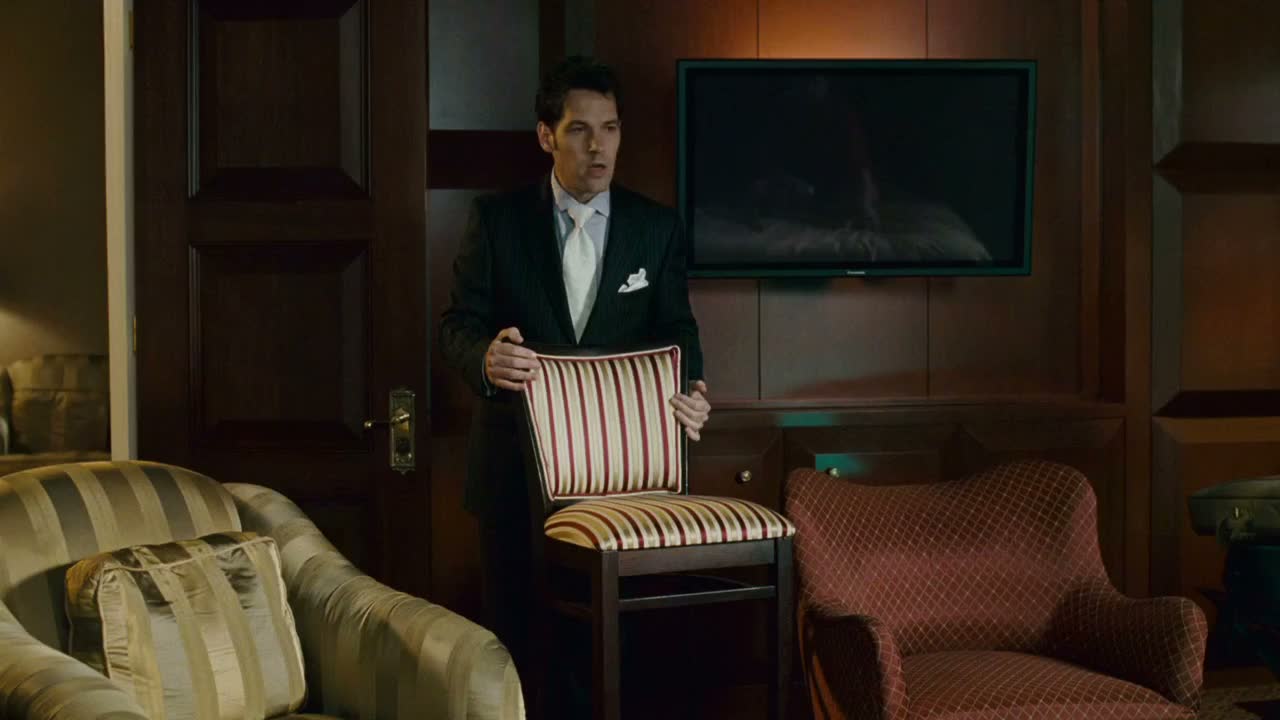 Up next · 09accept her loveThe scene: Can't Accept Debbie's Love
The first reason given is that the club is at capacity. They are sent to the end of the line and told they will get in when it clears out a little. Later a separate stretch says they are too old for this club, not for the Earth, that "She pregnant," and that they should be at a yoga class. That later stretch never says the capacity reason no longer counts.
The door has already said no. "It is what it is, sweetie" adds a pet name, and "you don't need to call me sweetie" comes back twice, even after a friend suggests leaving. The shouting that follows is about having the same right to be there, and about a doorman who is not God.
No. Someone says "You're right. I'm so sorry," hates the job, and says they do not want to pass judgment on who gets in. "Now I feel guilty. I'm sorry" comes later too. The no stays in place: too old for the club, one of them pregnant, and they should know better.
The person controlling the door. In that shout they may have power now but they are not God, and the next line calls them a doorman. The clipboard and the little rope are what that power looks like in the same run of lines. It is about who gets past the entrance, not about religion.