00:00 / 03:36
00:00 / 03:36

Clawson Denies the Canuck Letter, Explained

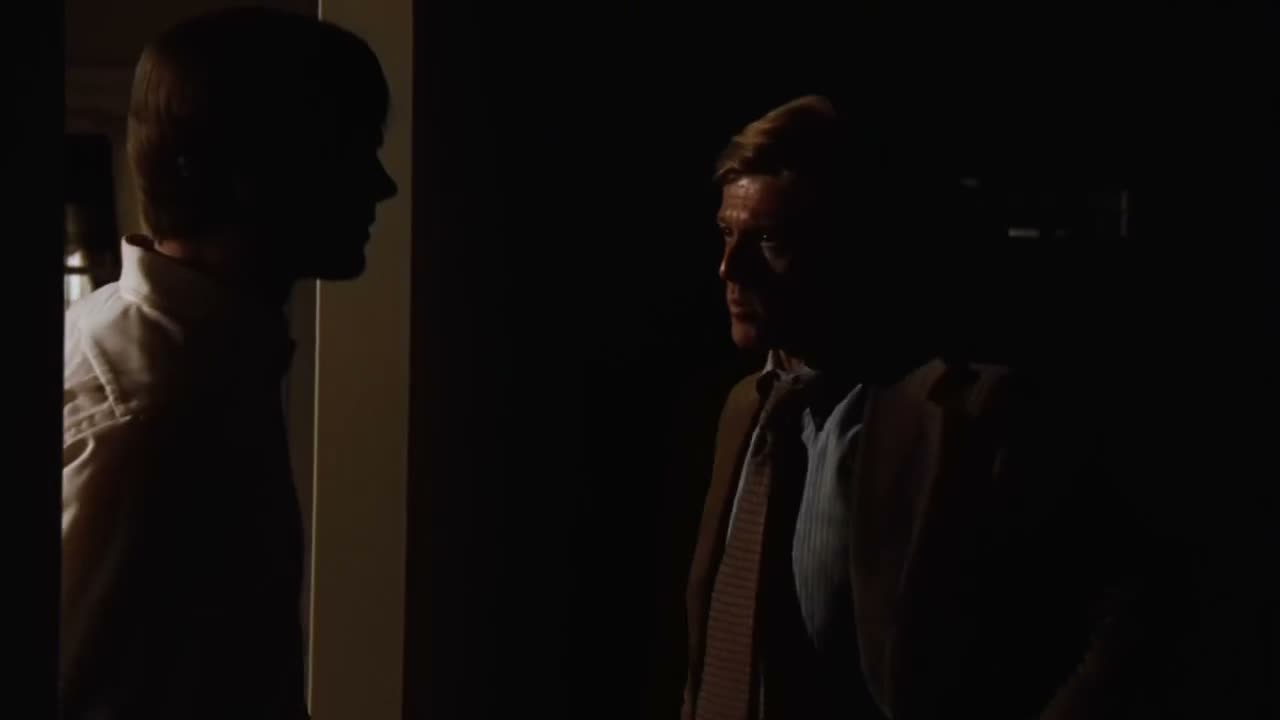
On the surface it's a routine source check: Sally Aiken says Ken Clawson confessed to writing the Canuck letter. But the reporters turn the room into an interrogation, then call Clawson, whose reply is a masterpiece of evasion — "We were shooting the breeze about the election." Nothing he says denies anything; that's the whole point.

InterrogationsPhone callsConfrontingAskingB2fastamerican

Key moments

Start here, then watch the full scene
  1. Clawson's Non-Denial Denial on the Phone

    1:44–2:21
    37s
  2. ❝ Monologue · 12 lines Clawson Begs Sally to Stay Quiet

    2:49–3:34
    45s
  1. ❝ MonologueClawson's pleading call12 linesPractice page ↗

Clawson Denies the Canuck Letter, explained

What happens

Sally Aiken walks into the Washington Post newsroom with a tip: Ken Clawson, a White House communications official, told her he wrote the Canuck letter that damaged Muskie's campaign. Woodward and Bernstein press her on when, where, and what else was said, then phone Clawson. He denies nothing directly; the reporters call it a non-denial denial.

What's really going on

This scene is about the machinery of denial, not the truth of the rumor. Sally Aiken comes forward reluctantly — "I guess I don't have the taste for the jugular you guys have" — and the reporters immediately test her, asking whether Clawson was just trying to sleep with her, and why she waited two weeks. When they finally get Clawson on the line, every answer is designed to be quoted safely. "We were shooting the breeze about the election," he says, and when pressed he snaps, "That is a question straight out of Wichita, Kansas." He never says he didn't write the letter. Woodward and Bernstein catch the trick instantly: it's a non-denial denial — a statement that sounds like a denial but concedes nothing. In Washington, that distinction between what is said and what is admitted is everything.

Key lines & what they mean

“I guess I don't have the taste for the jugular you guys have.”
Sally pushes back on the interrogation, saying she lacks the killers' instinct the two reporters have for going straight for the throat.
“We were shooting the breeze about the election.”
Clawson claims the conversation was idle small talk, a way to make the accusation sound trivial without actually denying he said it.
“I don't care where it happened. What happened is what counts.”
The reporters dismiss Clawson's dodge about the location of the meeting: what matters is that he let slip he was with her, not where.
“Sally, I have a wife and a family and a dog and a cat.”
Clawson, panicking on the phone, begs Sally to stay quiet by listing everything he stands to lose if the story runs.

Theme

  • Lies — Clawson's answers are built to say nothing; the Canuck letter and its authorship become a contest over what can be proven.
  • Deception — The reporters prize a non-denial denial — language that sounds like an answer while carefully avoiding one.

What this chapter teaches

Teaching points

Review right after watching
My level3/8

A1–C2 is the CEFR scale. Cards above the level you pick fade, and playback will not auto-pause on them.

All the President's Men: your progress

Chapter 16 of 18 · about 7 min to go

← Previous
Up next · 17fair gameThe scene: Woodward and Bernstein Name Haldeman

Takeaways

What you walk away with
  1. Shooting the breeze shrinks an admission into small talk.
  2. A non-denial denial never touches the real charge.
  3. Hedging avoids committing without telling a lie.
  4. Taste for the jugular names a newsroom killer instinct.

People also search

Questions, then the lines
Why does Sally Aiken wait two weeks before telling Woodward and Bernstein about Clawson?

She says she doesn't have their instinct for the kill — "the taste for the jugular." She's a source, not a hunter, and coming forward puts her own reputation and privacy on the line.

Did Ken Clawson actually admit to writing the Canuck letter?

He never denies it outright. He calls the conversation small talk and attacks the reporters' question, but he never flatly says he didn't write the letter — which is exactly what makes it a non-denial denial.

What makes Clawson slip on the phone call about where they met?

Sally says he came to her apartment. Clawson insists it wasn't in her apartment, but by arguing about the location he concedes the meeting happened — the reporters jump on the contradiction.

Why do Woodward and Bernstein push Sally so hard about her motives?

They need to know her account will hold up. Whether Clawson was trying to impress her or sleep with her changes how reliable the tip is, so they test her before they run with it.

What does "shooting the breeze" mean?

It means casual, aimless small talk. Clawson uses it to frame his conversation with Sally as harmless chatter rather than a confession about the letter.