00:00 / 04:24
00:00 / 04:24

Adam's Dad Apologises for School, Explained

All of Us Strangers · 2023

Chapter 9 of 15 · 4'24"

The coming-out becomes a reckoning about childhood. Adam's dad admits it was "hardly a shock" — he had known for years — but the talk turns to real guilt. He confesses he didn't want to think of his son as the kind of boy the other lads would pick on, and that he might have bullied him too.

Family dinnersParents & kidsConfessingExplainingParent & childB1fastbritish

Key moments

Start here, then watch the full scene
  1. Dad Admits He Might Have Bullied Adam

    2:31–3:03
    32s

Adam's Dad Apologises for School, explained

What happens

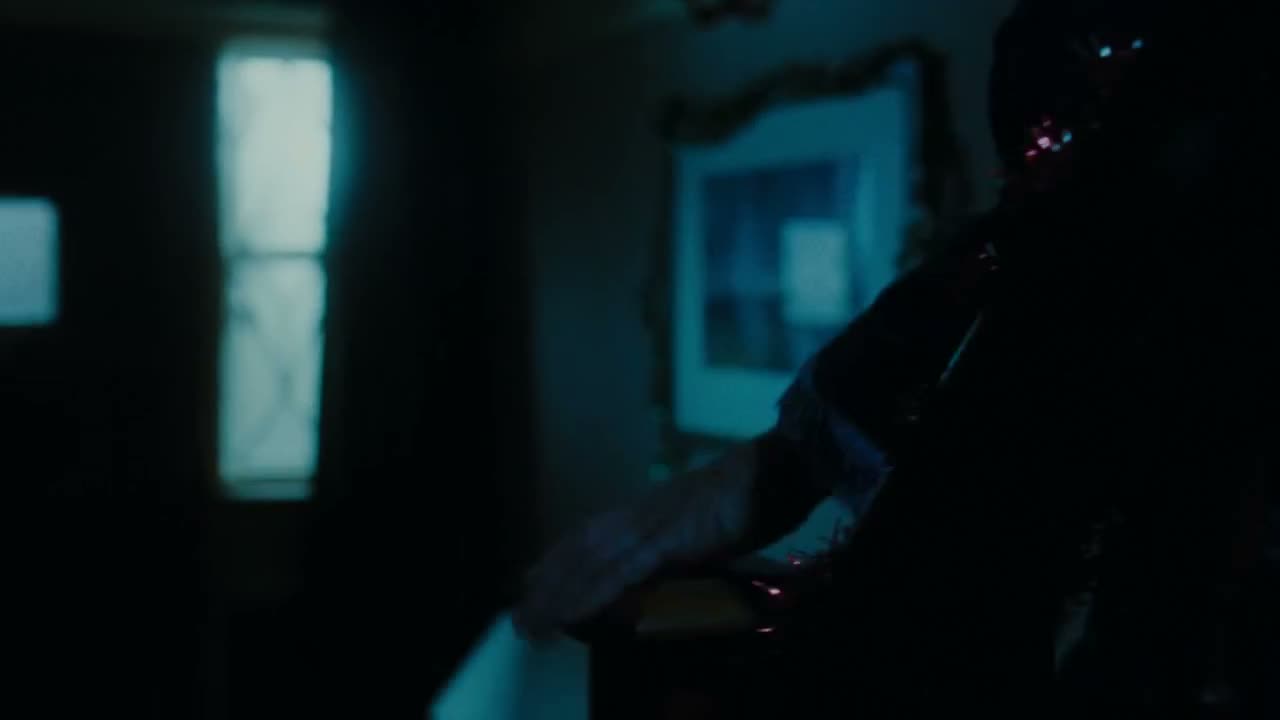
Adam sits with his dad by the Christmas tree. His dad says the coming-out was hardly a shock and jokes that he always knew Adam was a bit different, because he could never throw a ball. Then the talk turns serious: he admits he didn't want his son to be the kind of boy other lads would pick on, and that he might have picked on him too.

What's really going on

The scene is the father's turn to be honest. He starts lightly, saying the coming-out was "hardly a shock," and even jokes about Adam never learning to throw a ball. But when Adam asks why he never came into his room when he heard him crying, the father stops deflecting. "I just didn't want to think of you as the kind of boy that the other lads would pick on," he says, and then goes further: "And I knew that if I was at your school, I'd probably have picked on you too." That admission is the heart of the scene — he confesses not cruelty but cowardice, a wish to have a son who wouldn't need protecting. Adam answers that he had always suspected as much, and that it is probably why he never told him what was happening at school.

Key lines & what they mean

“I just didn't want to think of you as the kind of boy that the other lads would pick on.”
The father admits he avoided seeing his son as a victim, because that image was too painful to accept.
“And I knew that if I was at your school, I'd probably have picked on you too.”
His harshest confession: he recognises the same bullying instinct in himself, which is why he stayed passive.
“I always knew you were a bit tutti-frutti.”
A dated, teasing word for being gay: he claims he always suspected, though the phrase carries old prejudice.
“Well, I mean, it was hardly a shock.”
His way of saying the news didn't surprise him — he had sensed it for years before Adam said it.

Theme

  • Family conflict — Father and son finally name the bullying and the father's failure to protect him.
  • Guilt — The father admits he might have joined in the bullying, and Adam reveals why he stayed silent.

What this chapter teaches

Teaching points

Review right after watching
My level3/7

A1–C2 is the CEFR scale. Cards above the level you pick fade, and playback will not auto-pause on them.

All of Us Strangers: your progress

Chapter 9 of 15 · about 20 min to go

← Previous
Up next · 10always on my mindThe scene: Adam's Christmas with His Parents

Takeaways

What you walk away with
  1. Grown on me means he came to like it over time.
  2. Pick on here means bullied, not chosen.
  3. For shit turns failure into a blunt punchline.
  4. No matter how many times concedes every failed attempt.

People also search

Questions, then the lines
Why does Adam's dad say it was "hardly a shock"?

He claims he had sensed Adam was gay for years, so the coming-out didn't surprise him. It's also his way of making the moment less heavy.

What does Adam's dad admit about the bullying?

He says he didn't want to see his son as the kind of boy who gets picked on, and that if he had been at Adam's school he probably would have joined in.

Why didn't Adam tell his dad about the bullying at school?

Because he sensed his father wouldn't want to hear it. As Adam says, that is probably why he never told him what was happening at school.

What does "tutti-frutti" mean?

It's an old slang word for a gay or effeminate man. Adam's dad uses it as a joke, but it shows the dated attitudes behind his casual tone.

How does the scene end?

On a gentler note: the dad reminds Adam of decorating the Christmas tree, and Adam recalls being allowed to put the fairy on top. They find common ground in old, ordinary memories.