
“It is most important that you tell the court the absolute truth of what took place.”
Why it's great
The formal phrasing puts all the weight of the truth on the witness.
Register
Formal
Use it yourself
It is most important that you keep this secret.
Chapter 15 of 19 · 3'38"
The prosecutor walks Adela through the cave trip, but the real battle is over her memory. "Take your time and cast your mind back," he says, guiding her toward the version the court wants, until she admits she didn't love the man she was engaged to.
Adela Testifies and Starts to Waver
In the Chandrapore courtroom, Major McBryde questions Adela Quested about the day she visited the Marabar Caves with Dr Aziz. He takes her step by step through the trip: Mrs Moore's fatigue, the servants left behind, the two of them walking alone. Under questioning, Adela grows uncertain about her own account.
The courtroom thinks it is establishing facts, but Adela is quietly discovering something else. When McBryde asks whether Dr Aziz took advantage of Mrs Moore's fatigue, she corrects him — "it was at Mrs Moore's suggestion" — defending the man she is supposed to be accusing. Pressed about why she asked Aziz whether he loved his wife, she says: "I was thinking of my own marriage." Then, looking across the plain, she admits she realized she didn't love Ronny. Her testimony is not collapsing from pressure alone; it is collapsing because she is finally telling the truth about herself. The prosecution wanted a reliable witness and got an honest one instead.
A1–C2 is the CEFR scale. Cards above the level you pick fade, and playback will not auto-pause on them.
“It is most important that you tell the court the absolute truth of what took place.”
The formal phrasing puts all the weight of the truth on the witness.
Formal
“- I was brought up to tell the truth. - Of course.”
Brought up turns honesty into upbringing, giving the witness a backbone.
Neutral
“I think it may have partly been my fault.”
The hedging with may and partly makes the self-blame feel tentative and honest.
Neutral
“I asked Dr Aziz if he loved his wife when he married her.”
A quiet question that turns out to be the seed of the whole misunderstanding.
Neutral
“I was thinking of my own marriage.”
She quietly names her own private thought, the seed of the whole confusion.
Neutral
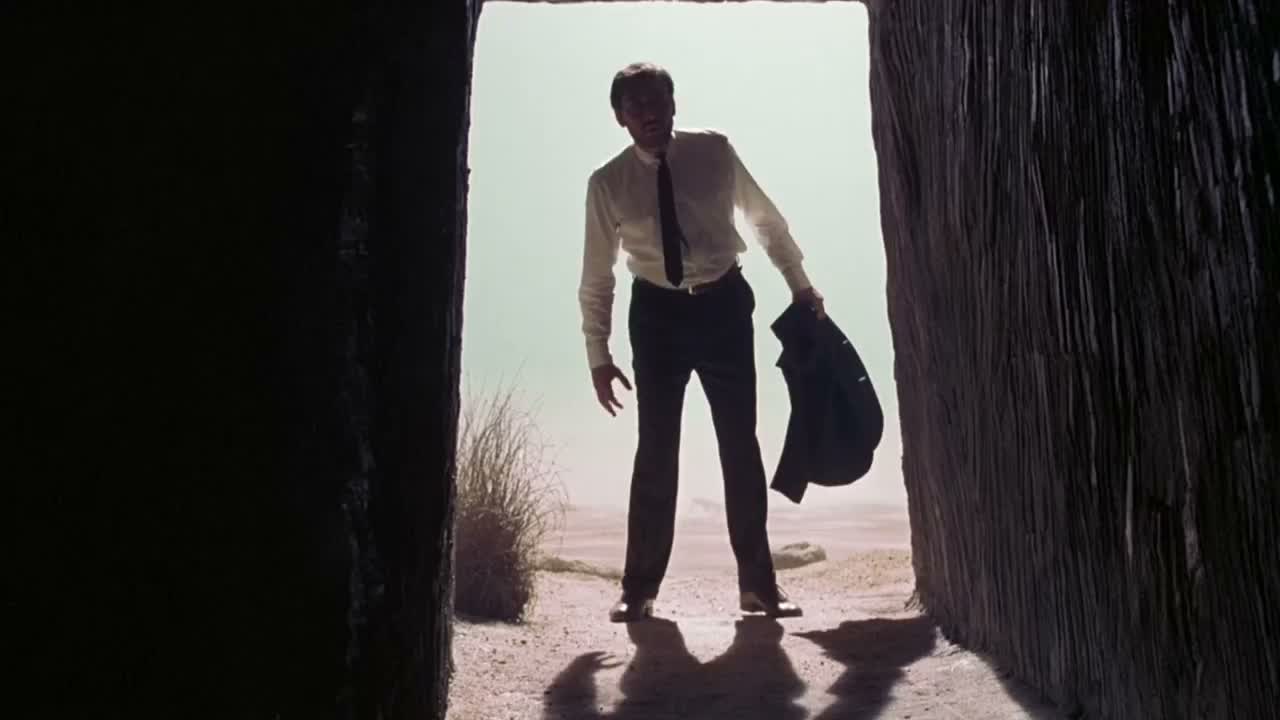 Up next · 16withdraw the accusationThe scene: Adela Withdraws the Accusation
When the prosecutor says Aziz took advantage of Mrs Moore's fatigue, Adela corrects him, pointing out the trip was Mrs Moore's idea. Even while accusing him, she keeps giving him the benefit of the doubt, which hints her memory may not be as firm as the court assumes.
Asked why she questioned Aziz about his marriage, she admits she was thinking about her own rushed engagement to Ronny. Looking out over the plain, she realizes she never loved him.
The scene leaves it ambiguous. She genuinely seems to believe something happened, yet she also reinterprets the day as she speaks, protecting Aziz and questioning herself. The film never gives the audience a clean answer.
It's an old-fashioned way of asking someone to remember something. The prosecutor uses it to steer Adela back to the cave day, politely pressing a witness who is clearly reluctant.