00:00 / 03:07
00:00 / 03:07

Christine Vole Meets the Lawyers, Explained

Christine Vole arrives expecting to be treated as a fragile, hysterical foreign wife, and quietly refuses the part. Told her husband has been charged with murder, she answers, "Call it what you like. What is the next step?" — no tears, no faint, just a demand for facts. Wilfrid, meanwhile, tells her he is too ill to defend Leonard.

MeetingsCourtroomExplainingSaying noLawyer & clientB2mediumbritishClean

Key moments

Start here, then watch the full scene
  1. Wilfrid Won't Cope With Tears

    0:02–0:37
    35s
  2. Christine Vole Refuses to Faint

    0:24–1:23
    59s
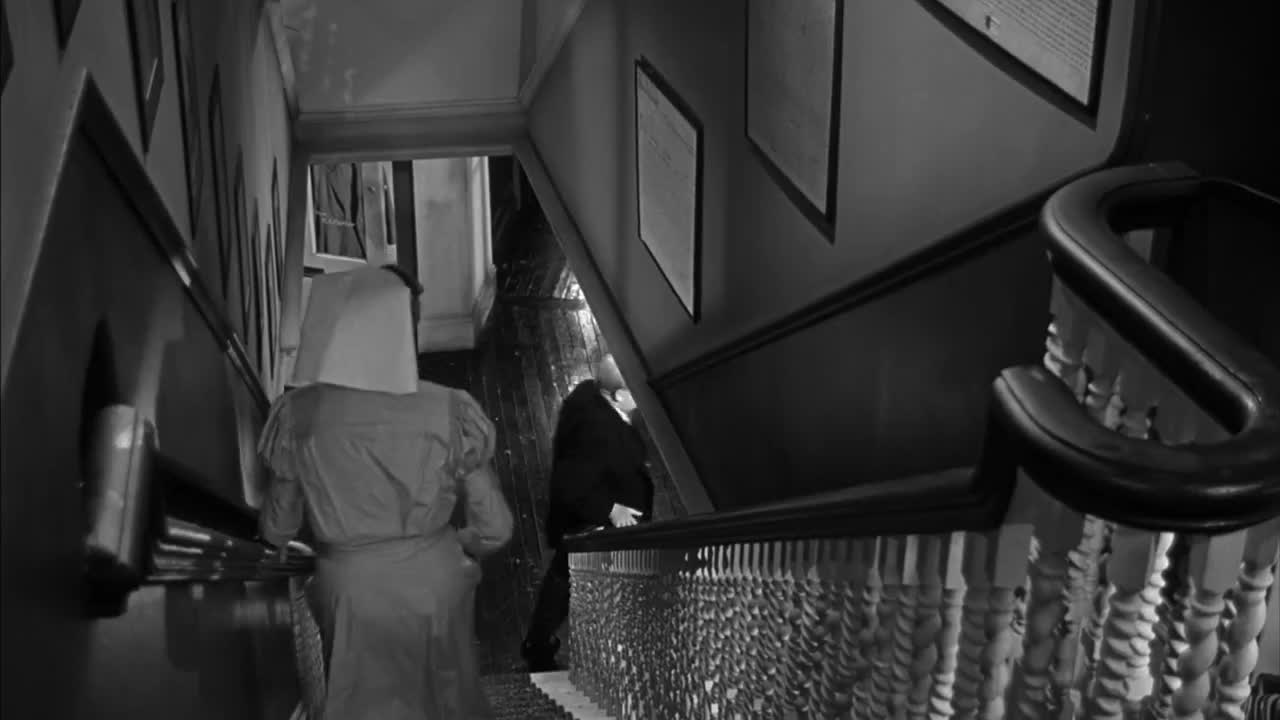
  3. ❝ Monólogo · 5 frases the nurse's bedtime routine

    A run of small domestic orders shows how much the nurse controls the old lawyer's day.

    2:12–2:32
    20s
  1. ❝ Monólogothe nurse's bedtime routine5 frasesPracticar ↗

Christine Vole Meets the Lawyers, explained

What happens

At Sir Wilfrid's chambers, the lawyers prepare to break the news to Leonard Vole's wife. Mayhew warns that she is a foreigner, so they should expect hysterics and have smelling salts ready. Christine Vole then walks in, cool and composed, and says she never faints. She is told Leonard has been arrested and charged with murder; her response is to ask what the next step is.

What's really going on

The scene upends the courtroom's expectations about women. Everyone has been told to handle the "foreign wife" gently and to brace for tears, yet Christine treats the arrest as a problem to be solved, not a tragedy to be felt. "Call it what you like. What is the next step?" she says, brushing past Wilfrid's compliment about her fortitude. Her line about never fainting — "in case I don't fall gracefully" — is both a joke and a warning: she will not perform the helplessness people expect. When Wilfrid refuses the case on health grounds, she does not plead; she lands a sharper blow, asking whether the real reason is that the cause is too hopeless to win. Even the nurse's complaints about foreign wives echo the prejudice Christine is quietly outplaying.

Key lines & what they mean

“I never faint in case I don't fall gracefully, and I never use smelling salts because they puff up the eyes.”
Christine refuses to be the swooning woman the lawyers prepared for: vanity and self-control matter more to her than showing emotion.
“Call it what you like. What is the next step?”
She won't argue about whether her calm is bravery or coldness. She cuts the sympathy short and asks for the practical facts.
“Thank you, no. I'm in no condition to cope with emotional wives drenched in tears.”
Wilfrid declines to sit in on the interview, admitting he can't handle open grief — a private joke about his own impatience and poor health.
“Miss Plimsoll, how alluring you look, waiting like a hangman on the scaffold.”
Wilfrid teases his nurse by comparing her to an executioner ready to drag him off to bed. The black humour shows he is enjoying the fight.

Theme

  • Identity — The scene is about who Christine is allowed to be — labelled a foreign wife and judged before she can speak.
  • Deception — Christine refuses the role she is assigned, the tearful widow; her calm control reads as a performance she has chosen.

Qué aprendes en este capítulo

Puntos de enseñanza

Repasa justo después de ver
Mi nivel5/7

A1–C2 es la escala MCER. Las tarjetas por encima del nivel elegido se atenúan y la reproducción no se pausa en ellas.

Witness for the Prosecution: tu progreso

Capítulo 8 de 27 · quedan unos 66 min

← Anterior
Siguiente · 09a way with womenLa escena: Christine and the Green Socks

Ideas clave

Lo que te llevas
  1. Her composure is more unsettling than any tears.
  2. A polite refusal can be sharper than an insult.
  3. The nurse's small orders run the lawyer's whole day.
  4. Calling a cause hopeless is also a challenge.

Preguntas frecuentes

La pregunta, luego la frase
Why is Christine so calm when she hears about the arrest?

She refuses to act the part of the fragile foreign wife the lawyers expect. Instead she treats the news as a problem to work through and immediately asks what the next step is.

Why won't Sir Wilfrid defend Leonard?

He says his health forbids it; he has just left hospital and Miss Plimsoll is enforcing a rest cure. Christine suggests the real reason may be that the case looks hopeless.

What does "Call it what you like" mean?

It means "whatever you want to call it" — a cool way to refuse an argument about labels. Christine uses it to brush aside Wilfrid's praise of her fortitude.

What does Miss Plimsoll think of Christine?

She dislikes her for being foreign, assuming she must be German and blaming foreign wives for a string of problems — a piece of everyday prejudice the film quietly exposes.

Who is Wilfrid Robarts?

The famous defence barrister, convalescing at home under his nurse. He is known as a champion of hopeless causes, which is why everyone expects him to take Vole's case.