00:00 / 05:17
00:00 / 05:17

Bond Impressions Over Dinner, Explained

The Trip · 2011

Capítulo 6 de 20 · 5'17"

On the surface this is a tasting menu and a James Bond bit. Underneath, two men keep correcting each other's performance: one wants it real, the other gets called out for cranking it up. "Yeah, whereas you are widely regarded as the king of understatement" lands as an insult dressed up as a compliment.

ArgumentsTeasingConfrontingFriendsB2british

Key moments

Start here, then watch the full scene
  1. The Scallops Are Not Resting

    1:11–1:43
    32s
  2. They Fight Over the Bond Line

    3:00–3:37
    37s

Bond Impressions Over Dinner, explained

What happens

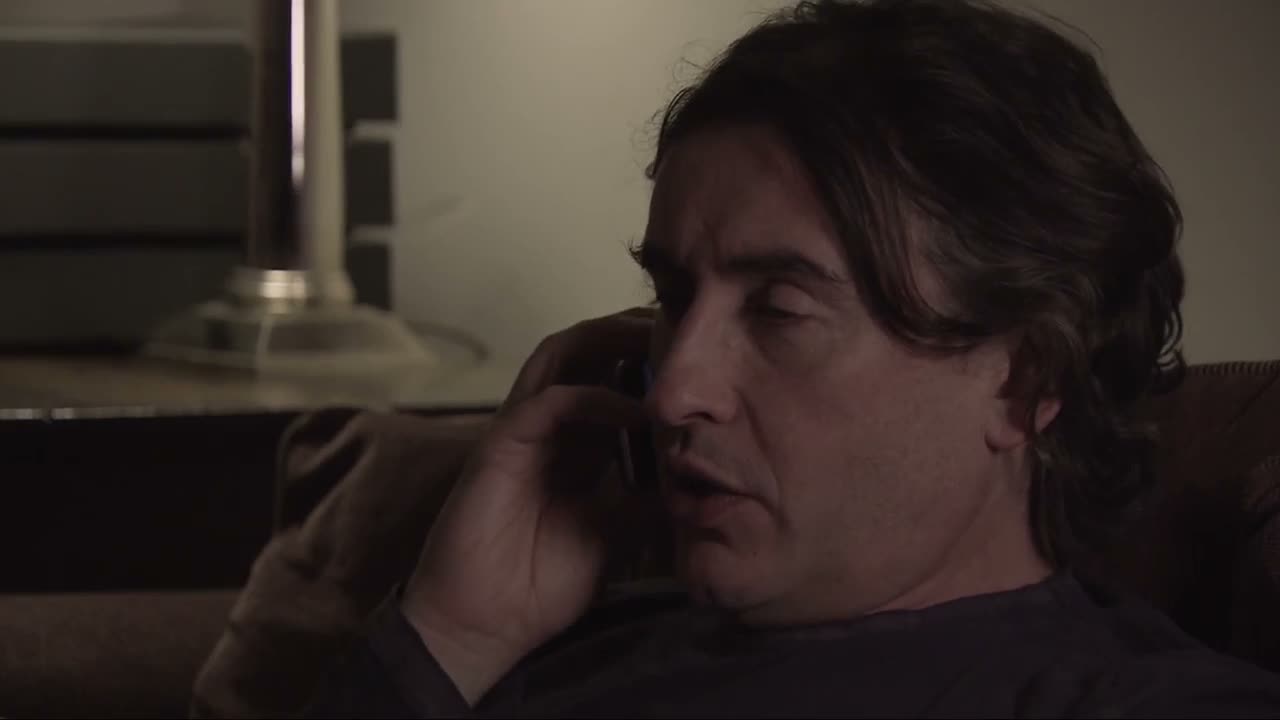
At a very formal restaurant, someone walks two diners through ornate courses: shellfish broth, scallops described as resting, artichoke. The pair cannot leave the language alone. They joke that the scallops' resting days are over, then slip into competing James Bond impressions, arguing about who is hamming it up. A phone call from the fancy dining room turns to a Las Vegas writing job.

What's really going on

The food talk is already a competition. Someone's pretty phrase, scallops resting on grilled lettuce, gets punctured at once: "Their days of resting have been and gone." The diners are not discussing dinner. They are showing who hears a phrase faster and who can turn a menu into a joke. That reflex takes over the Bond routine. "Shaken, not stirred" becomes a fight about craft. One man is told not to caricature it and not to fluff the line. The comeback calls him the king of understatement. Praise, in that tone, means the performance is small. Each correction is also a bid to own the bit. The phone call keeps the same contest going. From the fancy-schmancy restaurant, a Las Vegas piece on "good girls gone bad" is answered with a joke that the writer might become the story. Taste, status, and who directs the scene never leave the table.

Key lines & what they mean

“Their days of resting have been and gone.”
The scallops are not resting on the plate. They are dead, and the gentle menu wording is the joke.
“I'll be honest, I don't think I could muster more than a thimbleful.”
After hearing that shellfish are cooked in their own juices, someone jokes about producing barely a thimbleful of juice.
“Yeah, whereas you are widely regarded as the king of understatement.”
During the Bond impressions it sounds like praise and lands as a dig: the other performance is famous for staying small.
“As a rule, it's more effective if you don't fluff the line.”
Midway through flubbed Bond lines, the point is simple: the impression works only if the words come out right.

Theme

  • Satire — Menu poetry and a Bond routine are both punctured, as if good taste were just another performance to mock.
  • Pride — Every note about hamming it up or underplaying is really a claim to be the better actor at the table.

Qué aprendes en este capítulo

Puntos de enseñanza

Repasa justo después de ver
Mi nivel0/5

A1–C2 es la escala MCER. Las tarjetas por encima del nivel elegido se atenúan y la reproducción no se pausa en ellas.

The Trip: tu progreso

Capítulo 6 de 20 · quedan unos 72 min

← Anterior
Siguiente · 07living the dreamLa escena: Telling Steve He's Living the Dream

Ideas clave

Lo que te llevas
  1. Order shaken, not stirred like Bond
  2. Hear crank it up as overacting
  3. Resting on a menu can be a joke

Preguntas frecuentes

La pregunta, luego la frase
Why do they keep repeating the James Bond line?

They are not stuck on it. Each pass is a correction. One wants the reading to sound real, the other is told he cranks it up, and both keep taking the line back to prove they can say it better.

What are they actually arguing about during the impressions?

Not the plot of a Bond film. They are arguing about scale. "Don't caricature it" and "do it real" pull toward a smaller reading. Calling someone the king of understatement answers that by mocking a performance that stays too dry. Whoever sets the size owns the bit.

Is calling him the king of understatement a compliment?

It is shaped like one. It comes right after a complaint about cranking it up, so at the table it works as sarcasm: your whole style is playing things down.

What is the Las Vegas call really about?

Someone has a writing assignment in Las Vegas, a "good girls gone bad" story about prostitutes. From the restaurant, the reply is a jab: what if you become a good girl gone bad yourself? The call breaks on that, not on the food.