
“In my younger and more vulnerable years...”
Por qué es buena
The opening line sets an elegiac tone in a single breath.
Registro
literary
Úsala tú
In my younger and more reckless years, I made that same mistake.
Capítulo 1 de 18 · 4'15"
Nick opens the film not with Gatsby but with himself: his father's advice to "see the best in people," his habit of reserving judgment, and the summer he moved to West Egg. Only one man, he says, was exempt from his disgust — and the name lands like a title card.
❝ Monólogo · 10 frases Nick Remembers His Father's Advice
❝ Monólogo · 9 frases Jazz Age stack
Parties, shows, buildings, and morals keep getting bigger until he is inside the market himself.
A frame story: Nick Carraway sits with a doctor and recounts how he came to New York in the summer of 1922, rented a small cottage in West Egg, and took a job selling bonds while Wall Street boomed. He mentions one man he could never bring himself to judge — his neighbor, Gatsby.
The film's opening does something sly: it makes Nick's memory the frame for Gatsby before Gatsby ever appears. Nick presents himself as tolerant — "As a consequence, I'm inclined to reserve all judgments" — but immediately admits, "But even I have a limit." That limit is where the story lives. His nostalgia for the boom years is already laced with disgust: "all of us drank too much," Wall Street "was luring the young and ambitious. And I was one of them." The one exception is Gatsby, "the single most hopeful person I've ever met." So the narration sets up its own contradiction: a man who claims not to judge spends the film quietly judging everyone, and reserving his faith for Gatsby alone.
A1–C2 es la escala MCER. Las tarjetas por encima del nivel elegido se atenúan y la reproducción no se pausa en ellas.
“In my younger and more vulnerable years...”
The opening line sets an elegiac tone in a single breath.
literary
“As a consequence, I'm inclined to reserve all judgments.”
He names his stance without praising it: judgment withheld.
Formal
“Only one man was exempt from my disgust.”
One exception carries the whole weight of his disgust.
literary
“...the single most hopeful person I've ever met.”
Hope becomes a person's defining trait in one superlative.
literary
In my younger and more vulnerable years... ...my father gave me some advice. "Always try to see the best in people," he would say. As a consequence, I'm inclined to reserve all judgments. But even I have a limit. Back then, all of us drank too much. The more in tune with the times we were... ...the more we drank. And none of us contributed anything new. When I came back from New York, I was disgusted.
The parties were bigger. The shows... ...were broader. The buildings were higher. The morals were looser and the ban... ...on alcohol had backfired... ...making the liquor cheaper. Wall Street was luring the young and ambitious. And I was one of them.
The Great Gatsby: tu progreso
Capítulo 1 de 18 · quedan unos 81 min
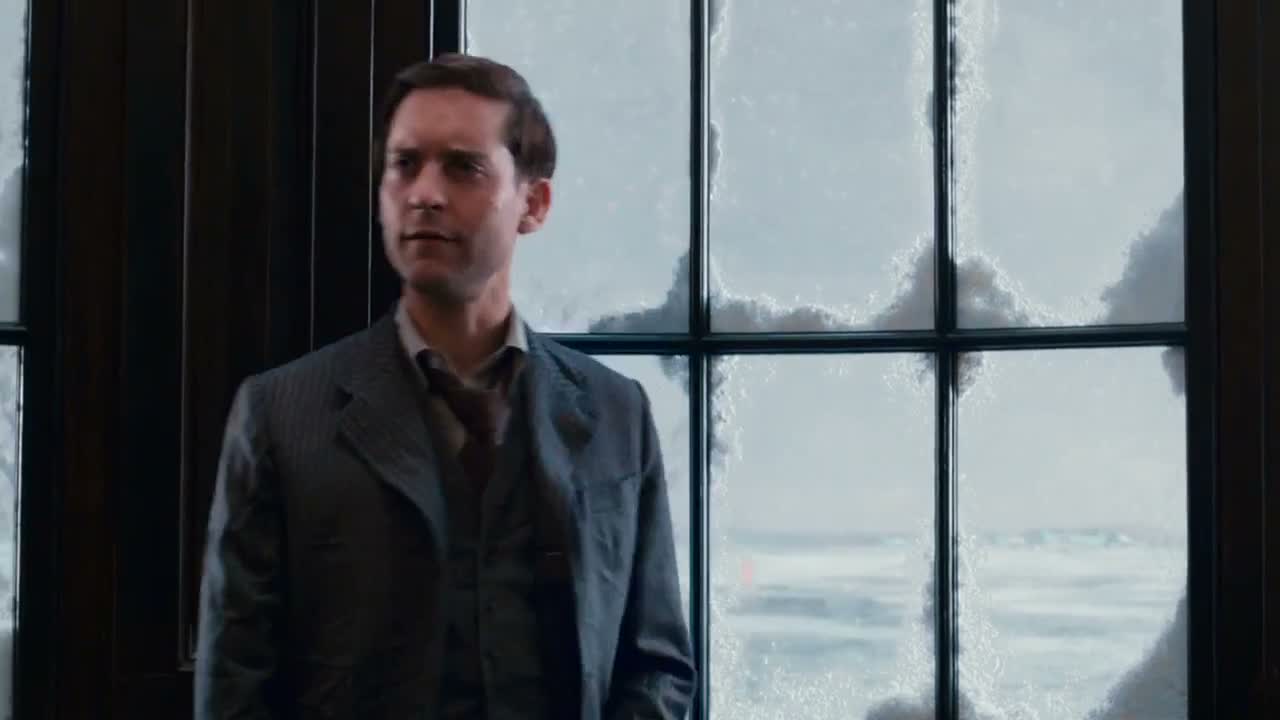 Siguiente · 02have the decencyLa escena: Nick Dines with the Buchanans
The film frames the novel as Nick's recollection, delivered while he is in a sanitarium. That device turns his narration into something confessed and written down rather than simply told, and it explains the searching, retrospective tone.
By the end of the summer Nick is sick of everyone, including himself. Gatsby alone keeps his admiration, because Gatsby's hope strikes him as something rare and unguarded — even after everything that follows.
A doctor, in what plays like a sanitarium or clinic. The older Nick answers questions, and his replies roll into the film's voice-over, blurring the line between interview and memory.
Not really. He says he reserves all judgments, then spends the whole narration judging the people around him. That gap feels deliberate — his tolerance is partly a pose he keeps testing.
The booming 1920s: record stock peaks, bigger parties, looser morals, and Prohibition making liquor cheaper instead of scarcer. Nick is sketching the excess that will eventually collapse.