
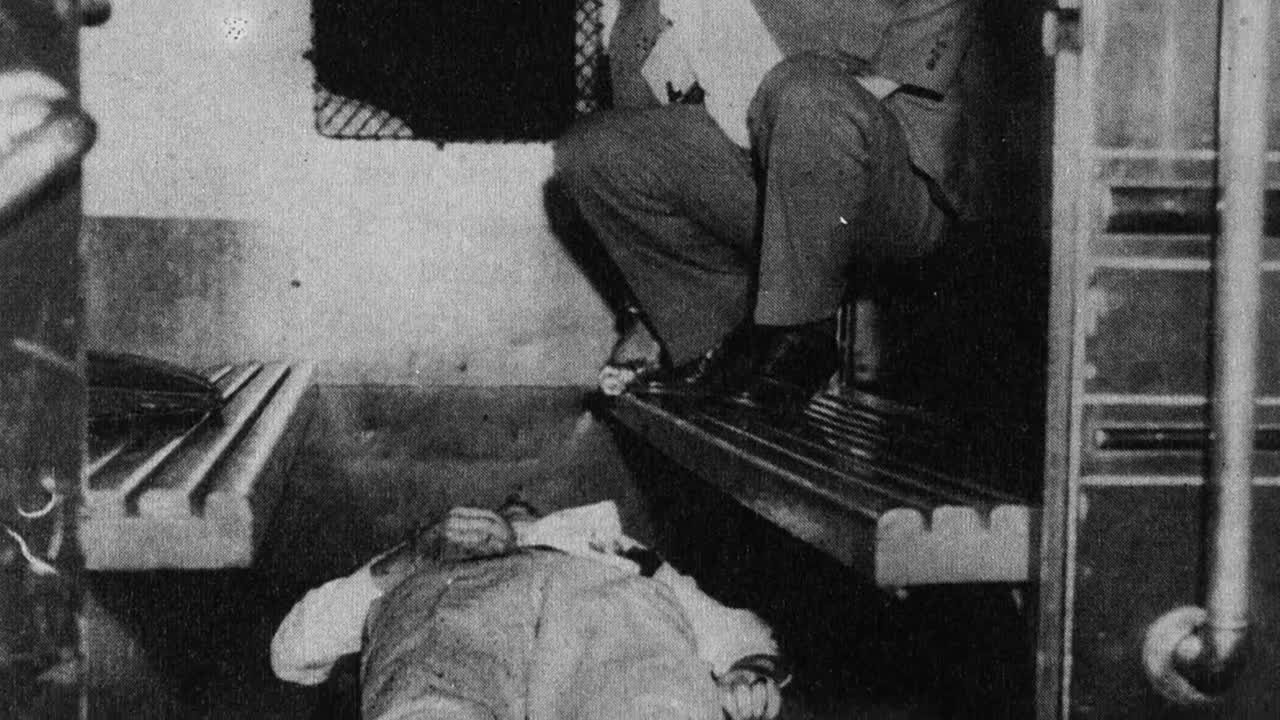
The Thin Blue Line Monologue: Choosing Silence over Perjury
I ain't gonna say nothing.
· The Thin Blue Line (1988)
AUDITION CUE SHEET & SCRIPT
The Thin Blue Line (1988)
The brother's reasoning
Lines: 7 | Words: 77
Time: 0m 24s
Target Pace: 193 WPM
| # | Time | Dialogue & Cue Beats | Acting Notes / Subtext / Blocking |
|---|---|---|---|
| 1 | 4:04 | "If I get down there and perjure myself... | |
| 2 | 4:07 | "there's nothing that they can do because they've got the case." | |
| 3 | 4:10 | This is the way I think that he thought. | |
| 4 | 4:14 | "They know that my brother did it. | |
| 5 | 4:17 | "If I get up there and lie, they are going to have me for perjury. | |
| 6 | 4:21 | "I'll be in the penitentiary with him, and it ain't going to do any good... | |
| 7 | 4:24 | "so I just ain't going to testify. I ain't gonna say nothing." |

"If I get down there and perjure myself...
"there's nothing that they can do because they've got the case."
No pauses, keep up with the actor
Space play/pause · ← → previous/next line · R replay
Why it's worth practising
A private argument turns fear into a hard decision: lie and risk prison, or say nothing and keep the last bit of control. The shift from calculation to blunt refusal gives actors a sharp emotional turn.
A speaker tells an unseen listener how a man decides to stay silent: as the speaker imagines it, they already know his brother did it, but a lie could mean perjury and prison. The stake is whether silence protects him or merely keeps him trapped.
Delivery tip
Let “they've got the case” sound resigned, then slow down on “I ain't gonna say nothing” so fear hardens into resolve. Keep the final phrase low and clipped.
Phrases in this speech
Sign in to save monologues and keep track of the lines you've practised.
More monologues from The Thin Blue Line
 B125 lines · 1m 43s
I do not like looking down the barrel of a pistol.
A Pistol on the TableThe Thin Blue Line · 1988DefiantJustice & RevengeThe pressure builds without a raised voice: a confession pushed across a table, a pistol produced, and a steady refusal that carries the whole scene's moral weight.- B116 lines · 1m 2s
He almost overacted his innocence.
Cold Read of a SuspectThe Thin Blue Line · 1988CalmConfrontationThe speaker stays measured while describing a suspect who feels nothing, and the contrast makes the passage quietly unnerving. It rewards restrained delivery and precise pauses.  B239 lines · 2m 54s
Just to warn the man that his lights were off.
A Routine Stop Turns DeadlyThe Thin Blue Line · 1988GrimJustice & RevengeA calm reconstruction of a traffic stop slowly tightens into tragedy, then into a question of blame. The speaker's controlled pacing makes every detail feel like evidence. B141 lines · 2m 9s
I'm the one that killed him.
Confession Beside the ChairThe Thin Blue Line · 1988ReflectiveJustice & RevengeA casual visit curdles into a confession, then denial, then physical evidence. The performance lives in the shift from disbelief to certainty.
More monologues
 C121 lines · 1m 6s
Everything is safe. Everything is careful.
A Cruel Box SeatEscape Room · 2019GrimPower & MoneyThe speaker starts with stinging accusation, then widens into a cold defense of spectacle and cruelty. The shift gives actors a sharp study in controlled contempt and rising menace. C112 lines · 56s
I think all bullets should cost $5,000.
The $5,000 BulletBowling for Columbine · 2002WittyConfrontationChris Rock twists a serious gun debate into escalating absurdity, moving from deadpan proposal to mock outrage. The shift gives performers sharp timing practice and a bold punchline attitude. C19 lines · 23s
Do I have to tell you what kind of knife it was?
Controlled Courtroom FuryThe Lincoln Lawyer · 2011IntenseJustice & RevengeMickey's voice stays eerily controlled while the facts get uglier, then lands a final rhetorical punch. Great for practicing restraint, escalation, and courtroom pressure. C16 lines · 28s
You were supposed to be the witness.
A Witness Left UnharmedYou're Next · 2011CalmConfrontationThe speaker sounds almost reasonable while describing an unforgivable scheme, then snaps into a short question about Zee. It is a sharp study of control, subtext, and sudden alarm.