
“I wish I didn't love you so much.”
Why it's great
The wish and the past tense cancel each other out, so the love stays while the regret lands.
Register
literary
Use it yourself
I wish I didn't like this show so much; it is past three.
Chapter 17 of 20 · 3'07"
On the surface it's a woman finally telling the truth about a breakup. Underneath, Ilsa is proving that she never stopped loving Rick — she left to save his life, not to leave him. "I wish I didn't love you so much" lands like an apology, which is exactly what it is.
❝ Monologue · 8 lines Ilsa Tells Rick How Victor 'Died'
In a flashback to Paris, Ilsa tells Rick the whole story: she and Victor were married, Victor was arrested and reported dead, and she met Rick in her grief. Just before they planned to leave Paris together, she learned Victor was alive — and left without a word to save Rick from the Gestapo.
The Paris flashback exists to change what Rick's bitterness means. Ilsa isn't apologizing for loving him; she's explaining why she disappeared, and the reason is that leaving was the only way to keep him alive. "I knew you wouldn't have left Paris," she says, which turns her silence into a sacrifice rather than a betrayal. The scene ends with two lines that do the work of a whole confession: "Here's looking at you, kid" and "I wish I didn't love you so much." Neither is a plan or a promise — just the truth, said plainly, at last.
A1–C2 is the CEFR scale. Cards above the level you pick fade, and playback will not auto-pause on them.
“I wish I didn't love you so much.”
The wish and the past tense cancel each other out, so the love stays while the regret lands.
literary
“I can't fight it anymore.”
The vague it hides the whole inner struggle, so giving up sounds like honesty rather than defeat.
Neutral
“Here's looking at you, kid.”
A toast becomes a private code; the casual kid keeps the feeling from ever getting too solemn.
Informal
“I know that I'll never have the strength to leave you again.”
Love confessed as a surrender: she admits she no longer has the will to walk away.
literary
It wasn't long after we were married that Victor went back to Czechoslovakia. They needed him in Prague, but there the Gestapo were waiting for him. Just a two-line item in the paper: "Victor Laszlo apprehended. Sent to concentration camp." I was frantic. For months I tried to get word. Then it came. He was dead. Shot trying to escape. I was lonely. I had nothing, not even hope. Then I met you.
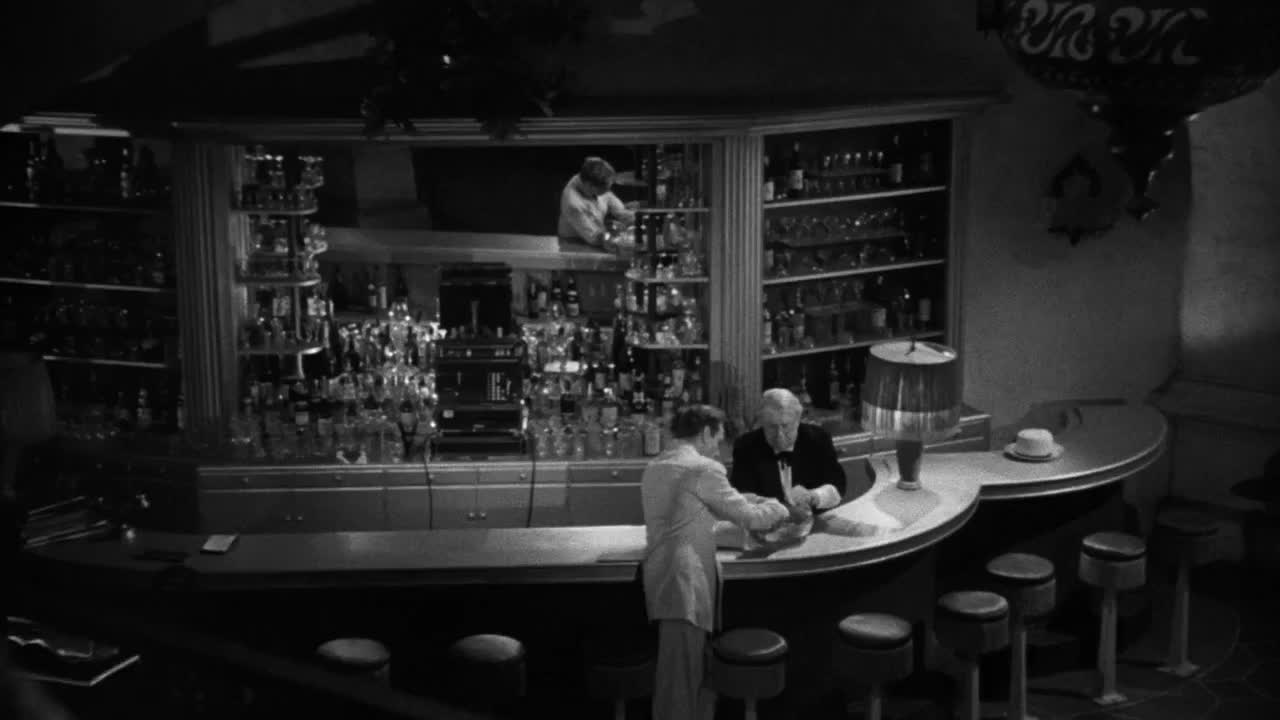 Up next · 18stick my neck outThe scene: Laszlo Begs Rick to Save Ilsa
She learned that Victor was alive and needed her, and she knew Rick would never leave Paris if she told him. Leaving quietly was the only way to keep him from being caught by the Gestapo.
Victor insisted on it to protect her: if the Gestapo knew she was his wife, she and his collaborators would be in danger. She kept the secret even from Rick because it wasn't only hers to tell.
The scene frames it as a choice made under impossible pressure: Victor was hidden, sick, and needed her, while staying with Rick put him at risk. She chose the option that saved lives.
It's a drinking toast, roughly 'here's to you,' softened by calling the other person 'kid.' Rick uses it to say something big without saying it directly.
She says she no longer knows what's right and can't keep fighting her feelings, so she asks him to make the decision for her, for Victor, and for everyone affected.