
“You don't trust your team or my playbook.”
Why it's great
It splits the accusation in two, so Kurt cannot answer one half without the other.
Register
Neutral
Use it yourself
You don't trust your teammates or the coach.
Chapter 5 of 27 · 2'11"
Kurt begs his coach for a chance to play, and the coach answers with a brutal list of his faults. "You run from adversity," he says, refusing to let talent excuse a lack of toughness. Kurt does not back down, and the standoff turns into a hard bargain about what it will take to earn the field.
Kurt Takes the Pain in Practice
At practice, Kurt asks his coach to put him in, promising he can win games. The coach refuses and explains exactly why: Kurt has the talent but abandons the pocket, distrusts the team and panics under pressure. Kurt insists he will not quit, and the coach finally sets a price — he can have his shot only if he takes the pain.
This is the scene that names Kurt's flaw, and the coach refuses to be gentle about it. He does not question Kurt's arm; he questions his character under pressure: "You don't trust your team or my playbook." The list gets harsher — "when things get hard, you bail" — until the verdict, "You don't deserve to play in the game." Kurt could accept the benching and fade, but instead he argues that quitting is not what leaders do, which flips the exchange from a scolding into a negotiation. The coach's answer, "You want your shot? You take the pain," is the hinge: the field is not given, it is earned through drills he will hate. The scene sets up the film's real subject, which is not talent but the willingness to absorb punishment and keep going.
A1–C2 is the CEFR scale. Cards above the level you pick fade, and playback will not auto-pause on them.
“You don't trust your team or my playbook.”
It splits the accusation in two, so Kurt cannot answer one half without the other.
Neutral
“I'm not gonna quit, because that's not what leaders do.”
He defines quitting as a betrayal of leadership, so the choice sounds like identity, not stubbornness.
Informal
“You're back on the bench for the same reason you sat on the bench for four years.”
By tying today to four years, the coach makes Kurt's plea look like a pattern, not a moment.
Neutral
“You want your shot? You take the pain.”
It prices the opportunity before he can take it, so the choice becomes payback, not a gift.
Informal
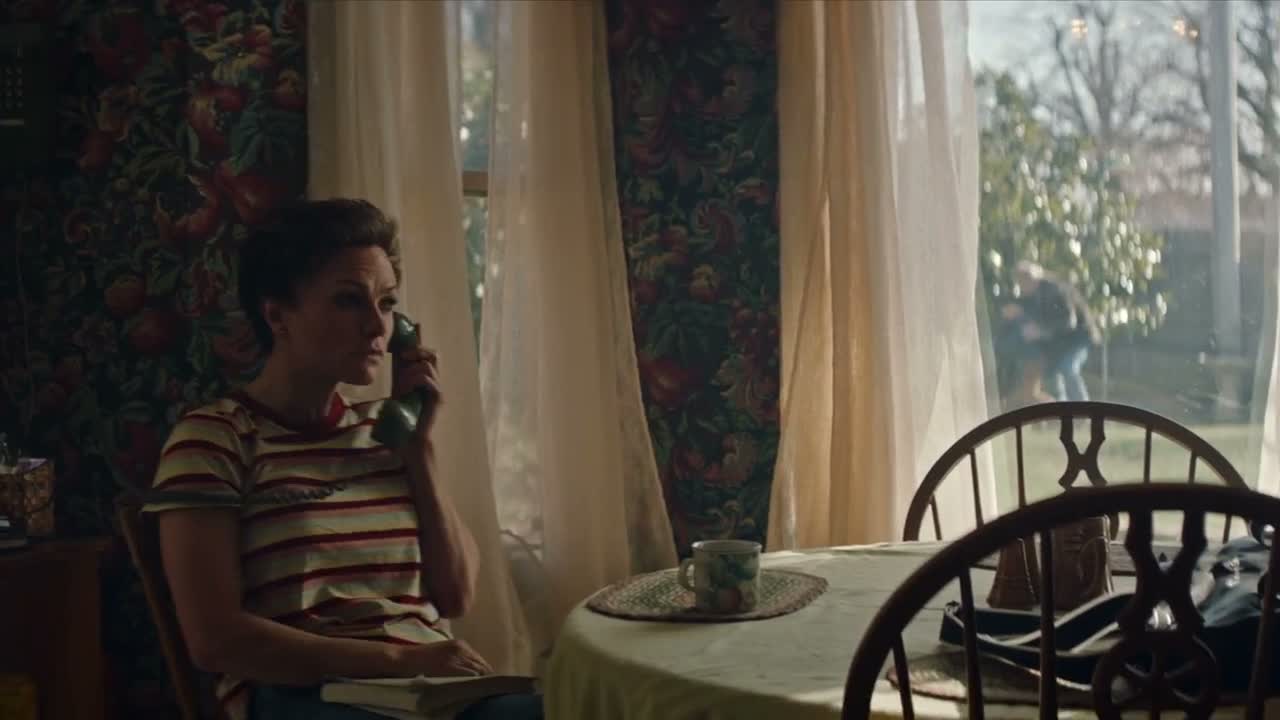 Up next · 06whirlwind romanceThe scene: Kurt and Brenda's First Date
Because Kurt keeps leaving the pocket and losing trust in the team, not because he lacks talent. The coach says the same habits kept him on the bench for four years.
It means to retreat as soon as things get hard. The coach uses it to say Kurt bails under pressure instead of standing in and taking hits.
He believes quitting is not what leaders do, and he still has only ten games left to chase his dream. His refusal turns the scolding into a negotiation.
A chance to play, but only if Kurt takes the pain. That means surviving relentless contact drills designed to make him stay in the pocket under pressure.
He is a teammate who volunteers when the coach asks who else wants to hit Kurt, then jokes about switching to offense. He is the one teaching Kurt to take the punishment.