
“'I'm just doing this to protect other women from this man.'”
Por qué es buena
It makes a private case sound like a shield for every woman who might come next.
Registro
Neutral
Úsala tú
I'm just doing this to protect the new hires from that manager.
Capítulo 9 de 22 · 2'33"
Jenna says she is just doing this to protect other women. The reply is that memory fails, so "their word, it has to be tested" when freedom is at stake. The questions count the gin, the vodka and the wine, and land on one point: she was not saying no.
Jenna Folds After the Evidence
❝ Monólogo · 5 frases Testing Her Word in Court
❝ Monólogo · 17 frases Were You Saying No
In court, Jenna's line is quoted: she is doing this to protect other women from this man. She loses. The speaker remembers her composed through the evidence and folding in two afterwards, plus the thought that he might have done it. The job described here is only to point out holes in the Crown's story, before a cross-examination counts the drinks and asks whether she was saying no.
Jenna is admired: she is "just doing this to protect other women from this man." She stays "composed throughout all her evidence," and afterwards folds in two. "What if he did it?" is asked and pushed aside, because "My job is just to point out holes in the Crown's story." A dress remembered red and photographed blue, and keys left in the wrong place, stand as proof that people are fallible, so their word "has to be tested" when "freedom is at stake." "Her word against his" is the method, and the jury will "take the responsibility." She is asked to agree the gin, the vodka and the wine, that the night was "a bit blurry," and that she was "not saying no." If she reconsidered, she "didn't manage to say this at any stage." It is suggested that "sexual assault" came up only after her sister asked. The apology, "if I've caused you any distress," claims only to "shed some light." What is left is "She hates me."
A1–C2 es la escala MCER. Las tarjetas por encima del nivel elegido se atenúan y la reproducción no se pausa en ellas.
“'I'm just doing this to protect other women from this man.'”
It makes a private case sound like a shield for every woman who might come next.
Neutral
“She was so composed throughout all her evidence, but afterwards, I saw her fold in two.”
Composure fills the first half, then a single body image shows the break.
literary
“I got him off. Shit!”
The acquittal is barely out before the swear turns the win into self-disgust.
Informal
“My job is just to point out holes in the Crown's story.”
The whole defense shrinks to punching holes, and the prosecution becomes a story rather than a fact.
Formal
“And their word, it has to be tested, especially if someone's freedom is at stake.”
It holds the word up, then sets freedom on it, so ordinary doubt hardens into a rule.
Formal
“'So, when you took off your clothing, you were not saying no, were you?”
It decides she never refused, then leaves her almost no room except to nod.
Formal
Because, you know, I mean, we all think we know the absolute truth of our lives, but how many times have we sworn the dress we wore to a party was red, and then seen a photo of a blue dress? Swore we put our keys here, but left them there? People are fallible. And their word, it has to be tested, especially if someone's freedom is at stake.
'I'm sorry, Jenna, but I need to ask you a few questions. 'You said you removed your clothing yourself, is that right? 'We know that you had been drinking that night at a club. 'But would you agree with me that you had three glasses of gin and tonic, 'two vodka limes, and two or three glasses of wine? 'And would I be correct to assume 'that these were all at least standard bar sizes? 'And then you invited my client back to your home, 'were you both consumed more alcohol? 'You agree you both drank vodka? 'And is it possible that you were intoxicated? 'And while you were intoxicated, 'you agree that the events of that evening were a bit blurry, as you stated? 'So, when you took off your clothing, you were not saying no, were you? 'And if, in your mind, you had perhaps reconsidered, 'you didn't manage to say this at any stage? 'And I suggest to you that it wasn't until your sister asked about the evening 'a few nights later that you first indicated 'it might be sexual assault? 'Thank you so much. 'I am sorry if I've caused you any distress. 'You understand my role is to ask questions 'that can shed some light on the evening.'
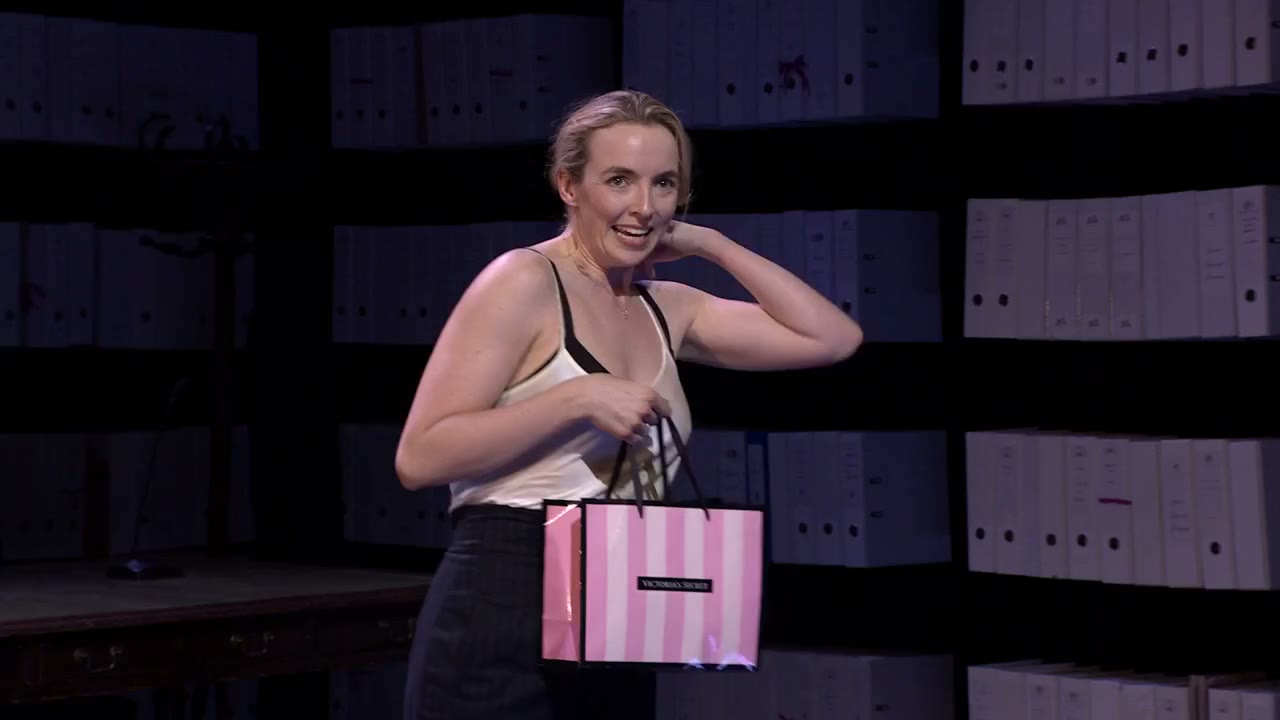 Siguiente · 10justify the costLa escena: Tessa's Date Ends in Vomit
It surfaces just after Jenna loses and folds in two. The following line is "I can't think like that." The prosecutor is told they should have done a better job, and the defence role is narrowed to pointing out holes in the Crown's story.
Not the person asking the questions. "I don't make the decision. Not me." The lines give that burden to the jury, who "take the responsibility." The stated role is to test her version and "shed some light on the evening."
They are ordinary examples of memory going wrong. People swear the dress at a party was red and later see a photo of a blue dress, or swear the keys were put here and find them there. "People are fallible," so their word "has to be tested" when someone's freedom is at stake.
A chain of admissions: three gin and tonics, two vodka limes, two or three wines, at least standard bar size; that she invited the client home and both drank more; that she may have been intoxicated and the night was "a bit blurry"; that she was "not saying no"; and that "sexual assault" came up only after her sister asked.
The apology closes the questions: "I am sorry if I've caused you any distress." It does not take any question back. It is explained as the role of asking things that "shed some light on the evening." The next line is "She hates me."