
“I didn't know you couldn't do that.”
Por qué es buena
A deadpan excuse that says everything about good intentions gone wrong.
Registro
Informal
Úsala tú
I didn't know you couldn't park there.
Capítulo 17 de 23 · 3'06"
A deposition digs up a college scandal: Eduardo was accused of animal cruelty for carrying a chicken during his club initiation and feeding it chicken at dinner — "forced cannibalism." He insists he meant no harm, then jokes that being accused of necrophilia would have been better.
❝ Monólogo · 7 frases Eduardo's Chicken Story
During a deposition, the lawyer surprises Eduardo with an old Crimson article accusing him of animal cruelty. He explains: for his club initiation he had to keep a chicken with him for a week, and at dinner he fed it pieces of chicken. Somehow that became forced cannibalism. Mark is questioned about cheating in the same session.
The scene uses an absurd anecdote to expose something real: in these depositions, any old detail can be turned into a weapon. Eduardo's story — a club ritual, a chicken, a few pieces of meat — is comically harmless, and the charge against him has been blown into "forced cannibalism." His line, "I didn't know you couldn't do that," is funny because it admits exactly how innocent the whole episode was, and it also shows how far the lawyers will reach to damage a witness. The humor cuts both ways: the accusation is ridiculous, and so is the fact that it is being read into the record at all. Meanwhile, a small slip pulls Mark into the same trap.
A1–C2 es la escala MCER. Las tarjetas por encima del nivel elegido se atenúan y la reproducción no se pausa en ellas.
“I didn't know you couldn't do that.”
A deadpan excuse that says everything about good intentions gone wrong.
Informal
“It's better to be accused of necrophilia.”
A darker charge sounds better, which is the whole joke about how absurd this one is.
Informal
“I'm not the expert, but being connected to torturing animals is probably bad for business.”
A disclaimer of expertise, then a verdict that the scandal will cost them.
Neutral
“Now I have to explain this to my father. I'm gonna have to explain this to everybody.”
The real cost of the absurd charge is endless explaining, starting with his father.
Informal
I was having dinner in the Kirkland dining hall with Mark, and I had the chicken with me, because I had to have the chicken with me at all times. This was college. - Somebody's gonna have to answer for this. - 969. And the dining hall was serving chicken for dinner, and I had to feed my chicken, so I... Well, I took little pieces of chicken and I gave it to the chicken. Someone must have seen me, because the next thing I knew I was being accused of forced cannibalism.
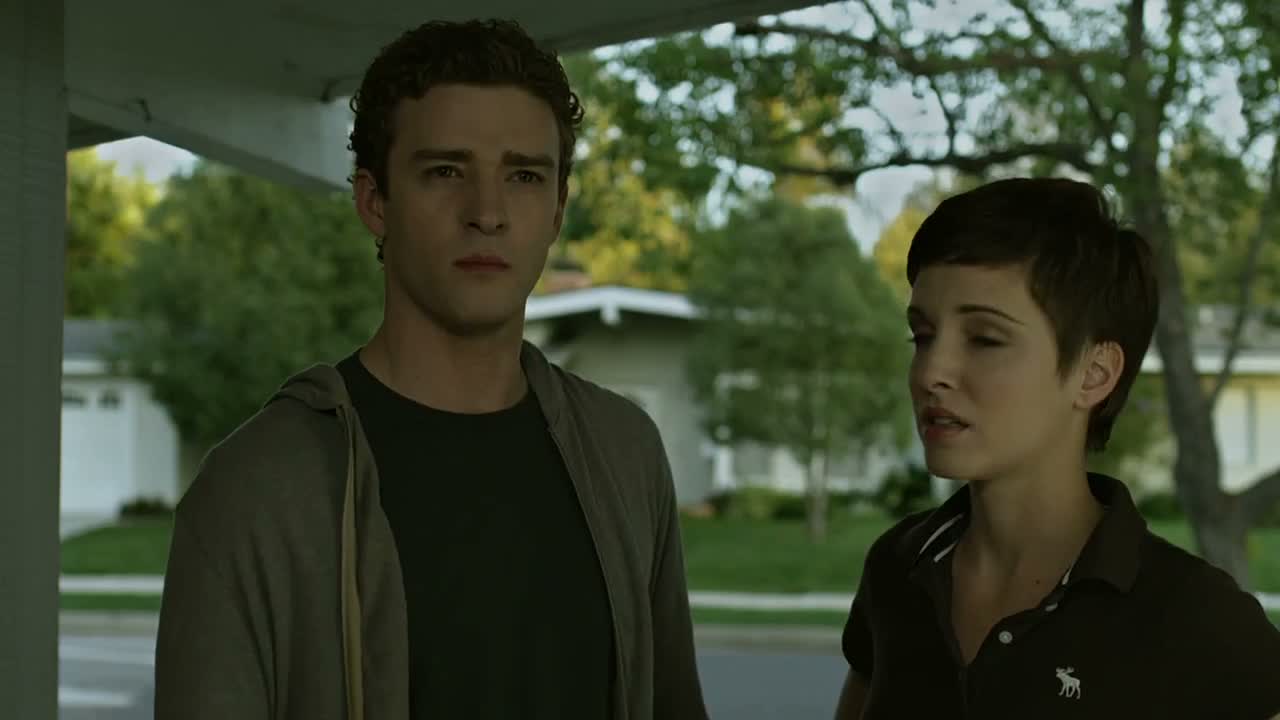 Siguiente · 18once-in-a-generationLa escena: Sean Parker Meets Mark in Palo Alto
During his club initiation he had to carry a chicken for a week, and one night at dinner he fed it pieces of chicken. Someone reported it, and the story became an accusation of forced cannibalism.
No. He fed it chicken from the dining hall, which he thought was harmless. The scene plays the charge as absurd and shows how a joke can be turned into evidence in a lawsuit.
It embarrasses Eduardo and makes him look bad, which serves Mark's side in the case. The scene shows how far the lawyers will dig, since the accusation has nothing to do with the ownership dispute.
He is asked about cheating on a final exam and refuses to answer, which is taken as an admission. Then it emerges that Eduardo defended him when the animal-cruelty story came up, making Mark's silence look worse.