
“Losing all hope was freedom.”
Por qué es buena
It reverses hope itself: what everyone dreads becomes the door out.
Registro
Neutral
Úsala tú
Letting go of that dream turned out to be freedom.
Giving up the comparison was freedom.
Capítulo 2 de 19 · 5'02"
The Narrator is not at these meetings to heal. He sits with strangers who share divorces, bankruptcies, and dead children, and he cries with them because it is the only place he feels anything. "Losing all hope was freedom," he says, and the line is both the group's promise and his real addiction.
The Group Leader Asks Everyone to Open Up
❝ Monólogo · 4 frases Freedom after hope
Each fragment drops a sense until hope itself is the thing released.
Why the Narrator Stays Silent at the Meetings
The Narrator starts attending support groups, where a man named Thomas shares his regrets and the leader praises the room for its courage. There he meets Bob, a former bodybuilder who has lost his money, his marriage, and his contact with his kids, and the two of them cry together. The Narrator keeps coming back, even joining a guided meditation group.
These groups are supposed to be about facing illness, but the Narrator is there for a different reason: they are the one place where crying is allowed. He listens to a man list his failures — bankrupt, divorced, ignored by his own kids — and the Narrator notes that "Strangers with this kind of honesty make me go a big, rubbery one." The joke hides how much he needs it. "If I didn't say anything, people always assumed the worst," he explains, which turns out to be useful: their tears trigger his. By the end he is not grieving anyone in particular; he is chasing the feeling of being emptied out, and he calls it what it is — an addiction. He even follows a meditation group into the cave to find a 'power animal,' dead every night and reborn every night. The support group is where he goes to disappear.
A1–C2 es la escala MCER. Las tarjetas por encima del nivel elegido se atenúan y la reproducción no se pausa en ellas.
“Losing all hope was freedom.”
It reverses hope itself: what everyone dreads becomes the door out.
Neutral
“I was the warm little center that the life of this world crowded around.”
He is the warm center the world crowds around; comfort and delusion in one image.
literary
“I look around this room, and I see a lot of courage.”
Courage made visible by an act of looking; praise that is really attention.
Neutral
“If I didn't say anything, people always assumed the worst.”
Silence invites the worst reading; a rule about people that anyone can verify.
Neutral
Lost in oblivion. Dark and silent and complete. I found freedom. Losing all hope was freedom.
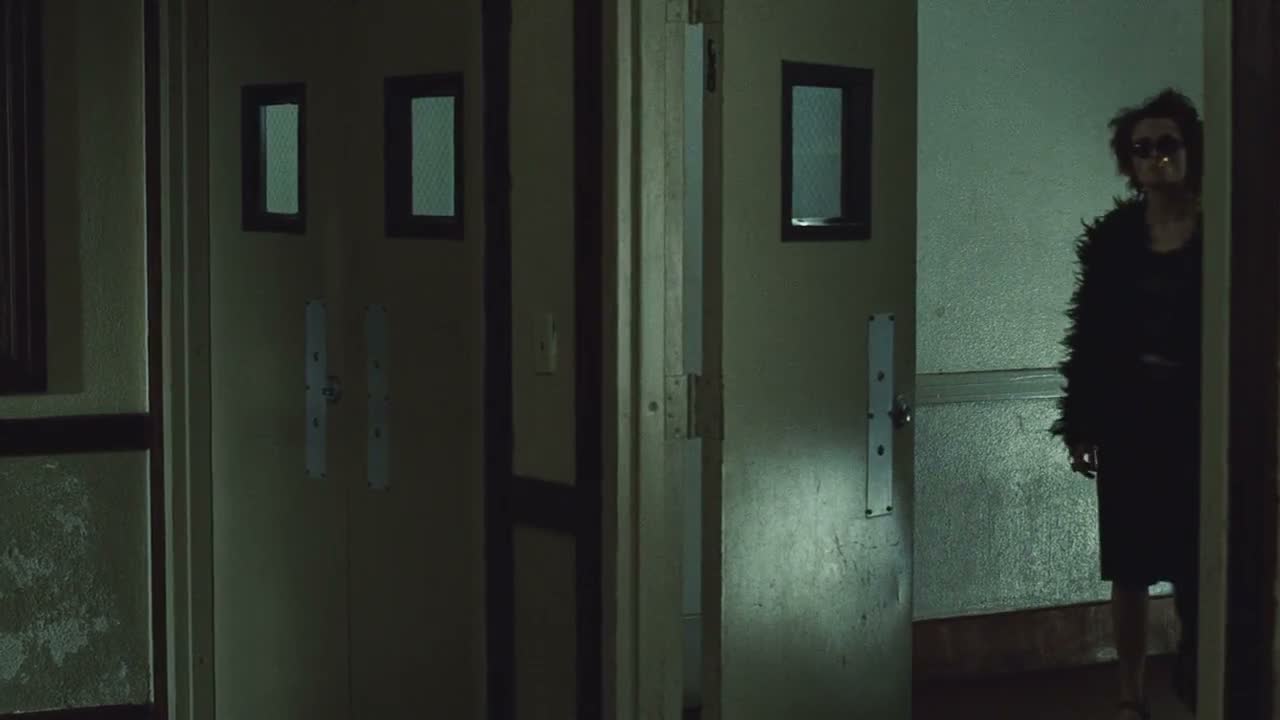 Siguiente · 03the big touristLa escena: Narrator and Marla Expose Each Other
Because they are the only place where he can cry. He has no illness of his own, but the honesty of strangers gives him a feeling he cannot get anywhere else, so he keeps going and becomes addicted.
Bob is a former champion bodybuilder who has lost his money, his marriage, and contact with his kids. He believes the Narrator is also sick, and the two of them hold each other and cry.
Silence lets people assume the worst about him, which draws their sympathy and tears. Once they cry harder, he cries harder too — it is a method, not an accident.
Because when he stops expecting anything to improve, the fear and pressure lift. The groups give him that blank, emptied-out calm, and he chases it until he calls it an addiction.
No. He is not healing; he is using other people's grief to feel something. He calls it an addiction, and it leads him to the meditation group rather than to any real recovery.