
To Kill a Mockingbird: movie monologues to shadow
17 monologues from To Kill a Mockingbird. Original audio, one line at a time, with a pause to say it back.
- 1Full speech: hear it once
- 2Shadow: repeat each line
- 3Blind: listen, then reveal
 B16 lines · 21s
Well,
The Scary Legend of Boo RadleyTo Kill a Mockingbird · 1962The descriptive imagery and rhythmic buildup are perfect for practicing expressive intonation and pacing. B111 lines · 36s
You'd just better believe him, Mr. Dill Harris.
The Warning About the Radley FamilyTo Kill a Mockingbird · 1962This passage features rapid-fire storytelling with complex sentence structures, ideal for advanced learners. B16 lines · 28s
Well, it's customary for the boy to have his father's watch.
A Father's LegacyTo Kill a Mockingbird · 1962The gentle, rhythmic pacing of this sentimental explanation is perfect for practicing emotional nuance and soft intonation. B16 lines · 21s
You tell them about this back in Meridian County, Mr. Dill Harris.
The Dare to Visit Boo RadleyTo Kill a Mockingbird · 1962The rapid, excited pace of the dialogue is perfect for practicing natural conversational speed and youthful energy.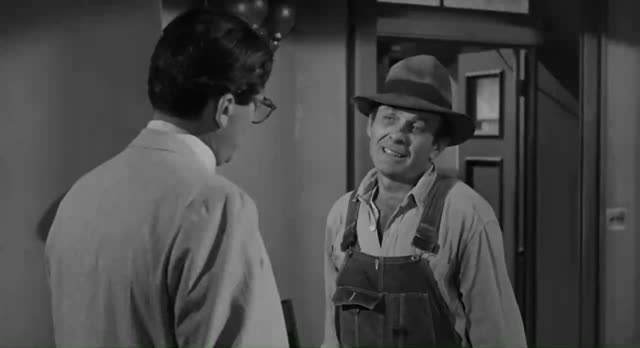 B110 lines · 37s
Captain, I'm real sorry they picked you to defend that nigger that raped my Ma yell a.
Mr. Ewell's ConfrontationTo Kill a Mockingbird · 1962The aggressive, colloquial, and confrontational tone provides excellent practice for emotional intensity and natural rhythm.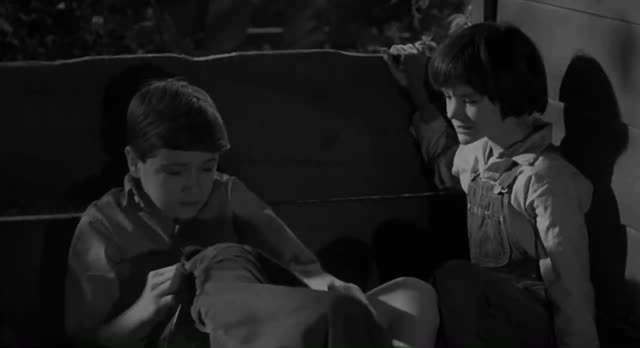 B15 lines · 16s
What was that?
What is happening?To Kill a Mockingbird · 1962The rapid-fire questions capture a sense of urgent confusion and panic.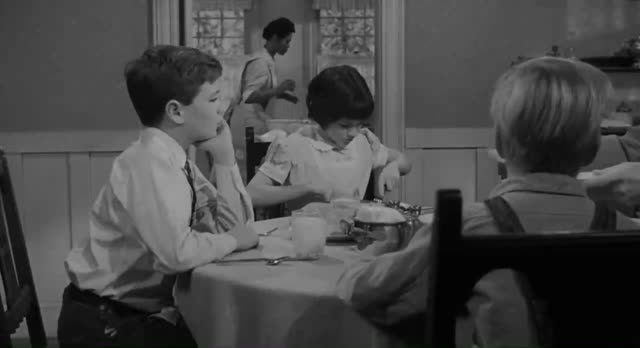 B111 lines · 56s
How old were you when you got your first gun, Atticus?
The Sin of Killing a MockingbirdTo Kill a Mockingbird · 1962This passage features a gentle yet profound moral lesson with rhythmic, storytelling pacing.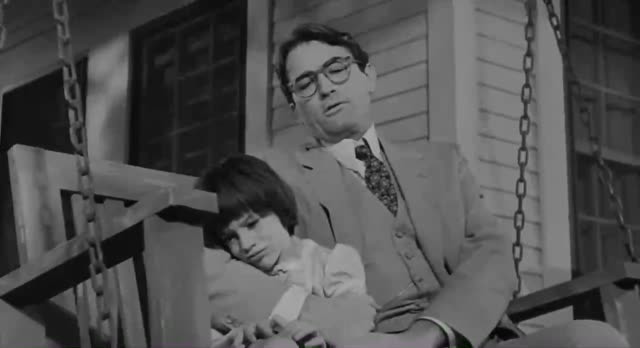 B14 lines · 16s
If you just learn a single trick, Scout, you'll get along a lot better with all kinds of folks.
The Golden Rule of EmpathyTo Kill a Mockingbird · 1962This passage contains one of the most profound and rhythmic philosophical lessons in cinema history.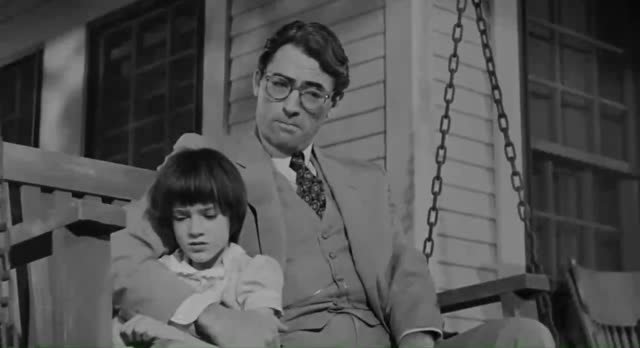 B15 lines · 27s
No. It's an agreement reached by mutual consent.
The Art of CompromiseTo Kill a Mockingbird · 1962The clear, instructional tone is perfect for practicing logical sentence structures and persuasive pacing.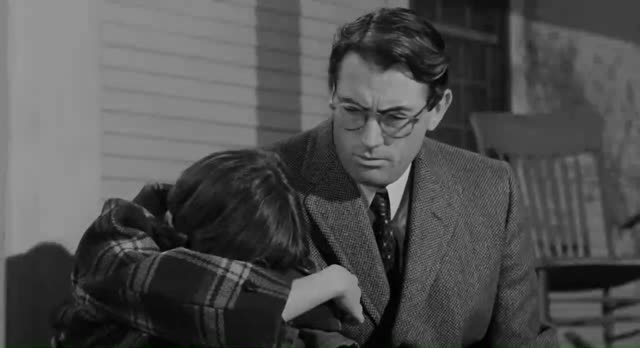 B111 lines · 1m 14s
Anyway, I'm simply defending a Negro, Tom Robinson.
A Father's Moral LessonTo Kill a Mockingbird · 1962The calm, steady pacing of Atticus's explanation is perfect for practicing controlled, authoritative speech.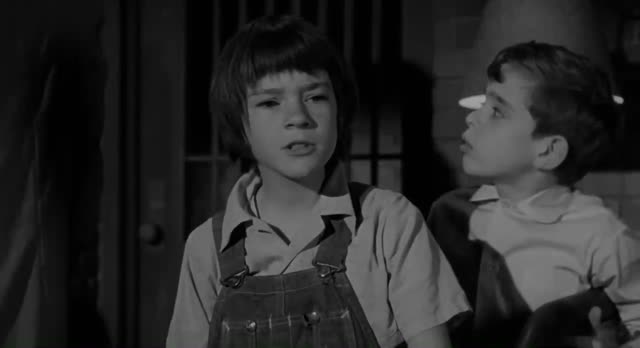 B110 lines · 41s
Hey, Mr. Cunningham.
Scout's Innocent Plea to Mr. CunninghamTo Kill a Mockingbird · 1962The rapid, conversational flow and innocent tone provide excellent practice for natural rhythm and emotional shifts.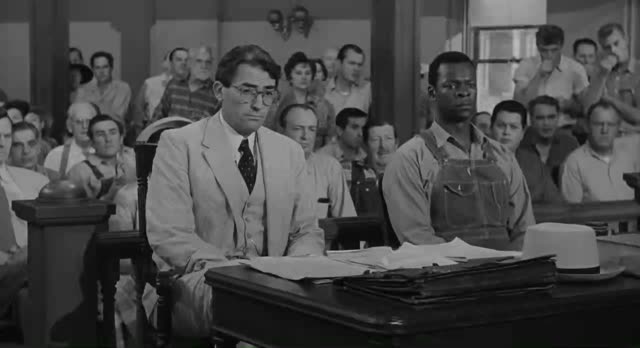 B110 lines · 53s
Late that night, I was coming in from the woods, with a load of kindling and I heard Ma yell a screaming as I got to the fence.
The Night of the IncidentTo Kill a Mockingbird · 1962The speaker's frantic, unpolished dialect provides a unique rhythmic challenge for shadowing.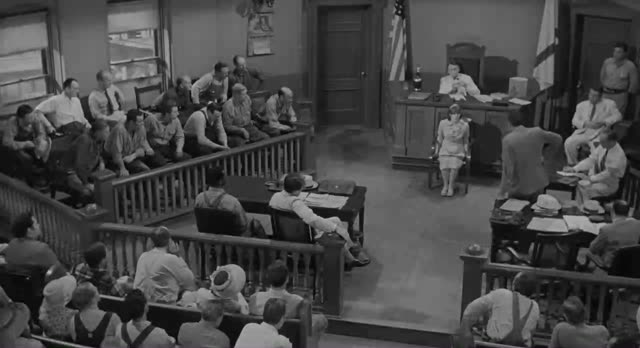 B18 lines · 54s
I was sitting on the porch and he come along.
Mayella's Account of the IncidentTo Kill a Mockingbird · 1962The speaker's frantic and fragmented storytelling provides excellent practice for emotional pacing and natural pauses.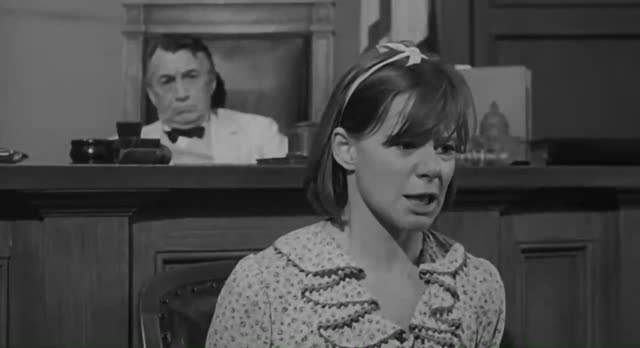 B18 lines · 41s
I've got something to say!
A Cry Against CowardiceTo Kill a Mockingbird · 1962The intense emotional outburst and rhythmic accusations provide excellent practice for stress and volume control.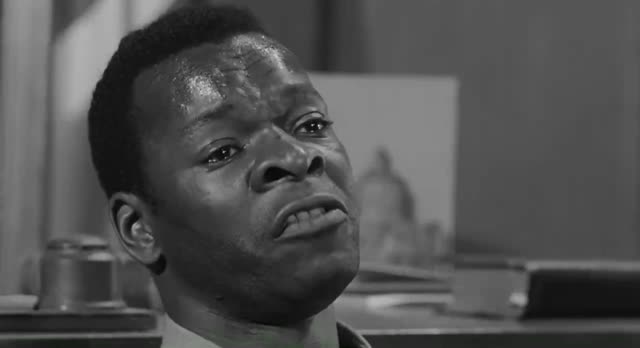 B112 lines · 49s
Mr. Finch,
The Unwanted EncounterTo Kill a Mockingbird · 1962The narrative flow and emotional vulnerability in Tom's testimony provide excellent rhythm for shadowing.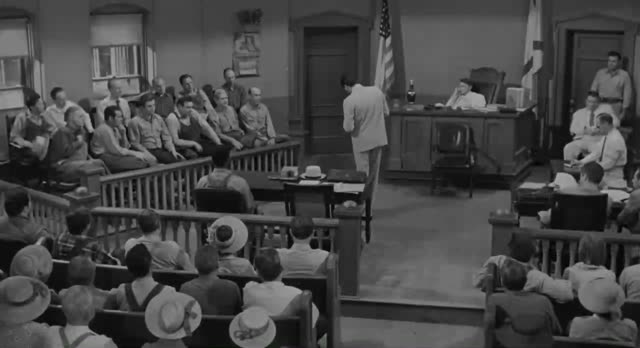 B112 lines · 1m 27s
this case should never have come to trial.
A Plea for JusticeTo Kill a Mockingbird · 1962This powerful closing argument features persuasive pacing and sophisticated vocabulary ideal for advanced learners.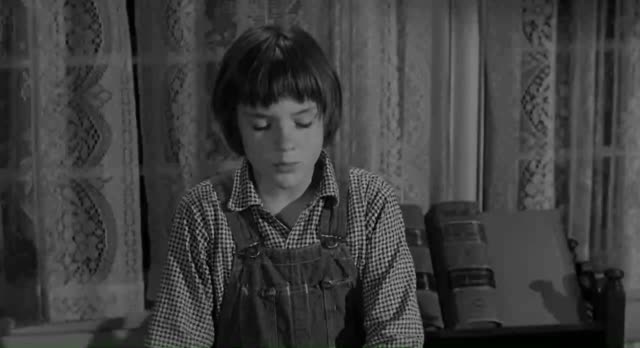 B18 lines · 31s
I don't know.
Scout's Confused Account of the AttackTo Kill a Mockingbird · 1962The fragmented, breathless delivery captures the raw confusion and trauma of a child.
Expressions from To Kill a Mockingbird
After practicing a monologue, explore each expression across multiple films or jump into the short-clip reel.