
The Conversation: movie monologues to shadow
12 monologues from The Conversation. Original audio, one line at a time, with a pause to say it back.
- 1Full speech: hear it once
- 2Shadow: repeat each line
- 3Blind: listen, then reveal
 B17 lines · 31s
Every time I see one of those old guys, I always think the same thing.
Somebody's Baby BoyThe Conversation · 1974The speaker uses repetitive, rhythmic phrasing to convey deep empathy and melancholy. B15 lines · 23s
Well, see, I would be perfectly happy to have all my personal things burned up in a fire because I don't have anything personal.
Nothing PersonalThe Conversation · 1974This passage captures a character's defensive and isolated nature through rhythmic, repetitive phrasing. B110 lines · 53s
Every time I see one of those old guys...
The Tragedy of the Old ManThe Conversation · 1974The speaker uses repetitive structures and emotional pacing that are perfect for practicing empathy and rhythm. B15 lines · 24s
Now, look, don't get involved in this, Mr. Caul.
A Warning About Dangerous TapesThe Conversation · 1974The speaker uses a serious, cautionary tone with rhythmic pauses that are excellent for practicing tension and emphasis. B115 lines · 1m 19s
Bless me, Father, for I have sinned.
A Heavy ConfessionThe Conversation · 1974The rhythmic, repetitive structure of a formal confession provides excellent pacing for shadowing. B116 lines · 1m 25s
Ladies and gentlemen.
The Moran S-15 DemonstrationThe Conversation · 1974The speaker uses clear, instructional language with rhythmic pacing, perfect for practicing technical explanations. B18 lines · 22s
Let me tell you something about Harry Caul.
A Toast to Harry CaulThe Conversation · 1974The rhythmic, repetitive structure of the toast is perfect for practicing sentence stress and social conversational flow. B112 lines · 40s
It happens all the time.
Bernie's Origin StoryThe Conversation · 1974The rapid-fire storytelling and nostalgic tone provide excellent rhythm for shadowing.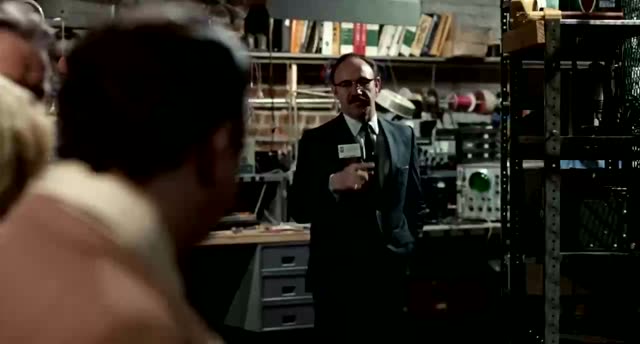 B19 lines · 27s
Three-stage directional microphones with MOSFET amplifier of my own design.
The Art of Audio SurveillanceThe Conversation · 1974The speaker uses technical jargon and enthusiastic pacing, which is excellent for practicing rhythm and emphasis.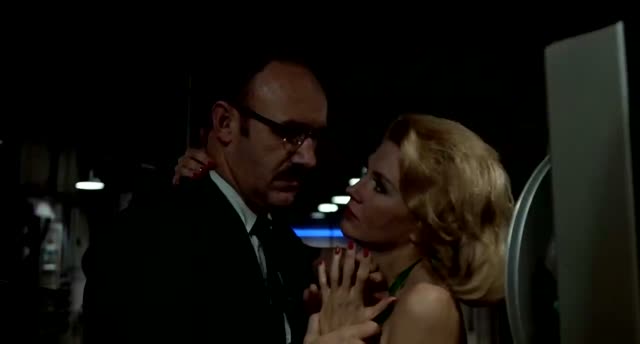 B18 lines · 43s
Every time I see one of those old guys, I always think the same thing.
The Tragedy of the Old ManThe Conversation · 1974The monologue features a poignant, rhythmic flow with deep emotional shifts, perfect for practicing empathy and pacing.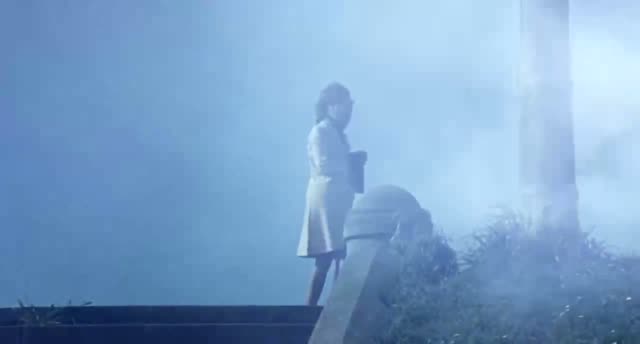 B120 lines · 1m 27s
Listen. Listen. My name is Harry Caul.
Harry Caul's Dark ConfessionThe Conversation · 1974The monologue features a shift from vulnerability to a chilling, traumatic memory, perfect for practicing emotional pacing.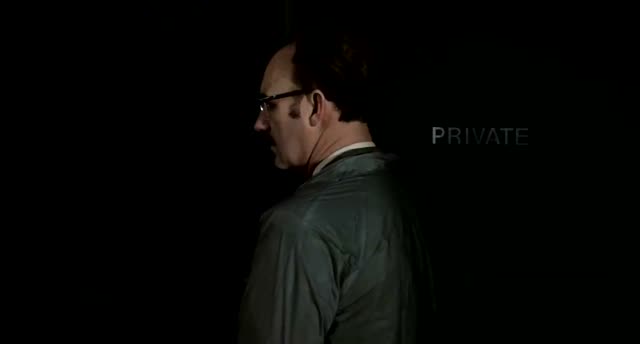 B19 lines · 45s
Every time I see one of those old guys, I always think the same thing.
The Fragility of Old AgeThe Conversation · 1974The speaker uses repetitive structures and poignant imagery, making it excellent for practicing emotional rhythm and emphasis.
Expressions from The Conversation
After practicing a monologue, explore each expression across multiple films or jump into the short-clip reel.