
Hamlet Monologue: Weighing Vengeance and Conscience
is't not perfect conscience to quit him with this arm?
· Hamlet (1996)
AUDITION CUE SHEET & SCRIPT
Hamlet (1996)
Weighing Vengeance and Conscience
Lines: 6 | Words: 66
Time: 0m 21s
Target Pace: 189 WPM
| # | Time | Dialogue & Cue Beats | Acting Notes / Subtext / Blocking |
|---|---|---|---|
| 1 | 0:00 | Does it not, think'st thee, stand me now upon-- He that hath killed my king and whored my mother... | |
| 2 | 0:06 | ...popped in between th' election and my hopes... | |
| 3 | 0:08 | ...thrown out his angle for my proper life, and with such coz'nage. | |
| 4 | 0:12 | --is't not perfect conscience to quit him with this arm? | |
| 5 | 0:15 | And is't not to be damned... | |
| 6 | 0:17 | ...to let this canker of our nature come in further evil? |
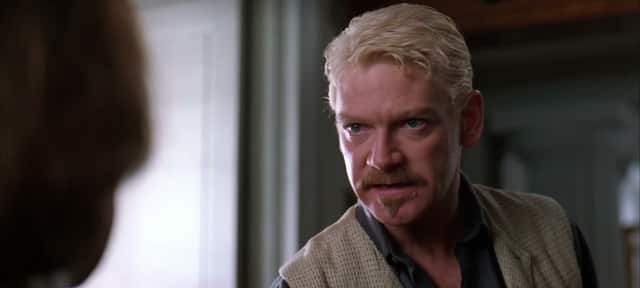
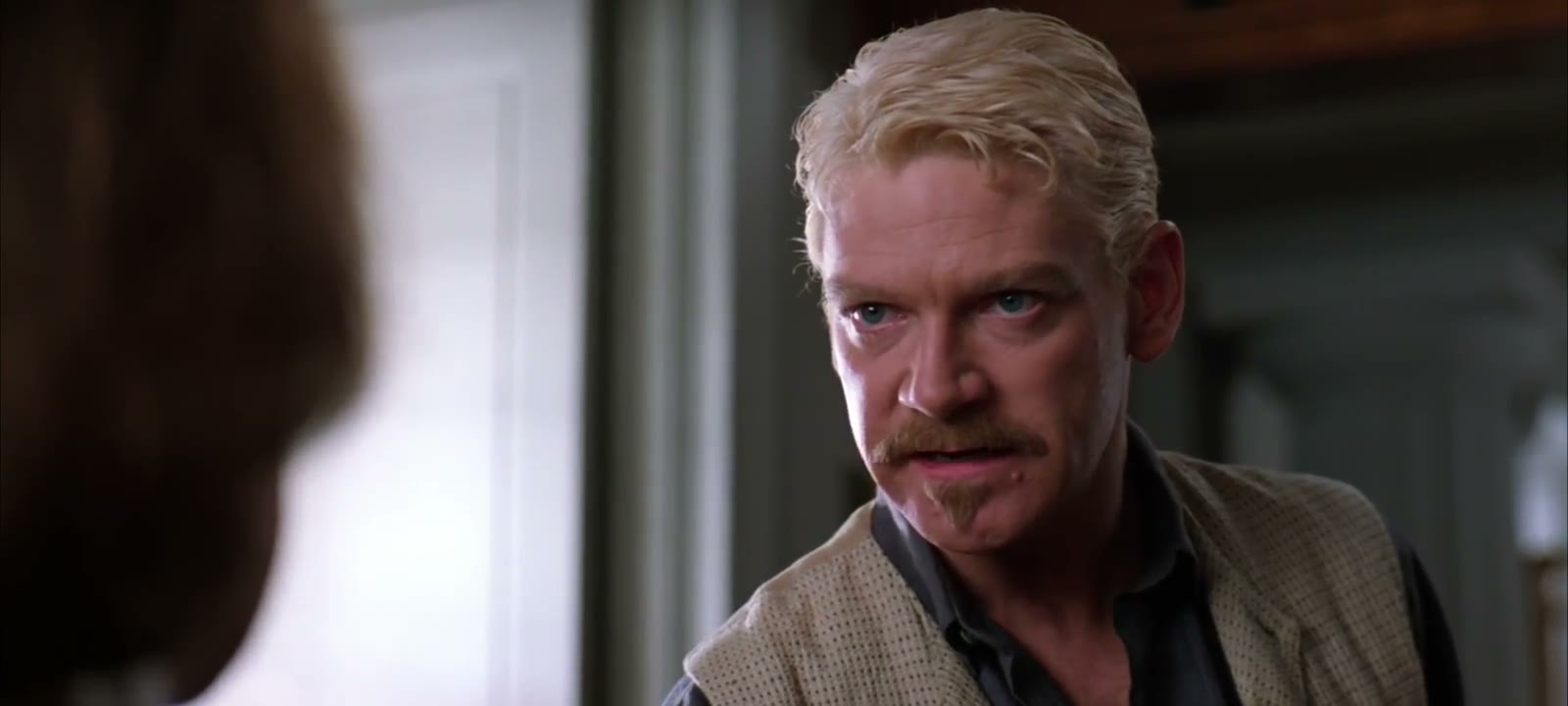
Does it not, think'st thee, stand me now upon-- He that hath killed my king and whored my mother...
...popped in between th' election and my hopes...
No pauses, keep up with the actor
Space play/pause · ← → previous/next line · R replay
Why it's worth practising
Hamlet moves from wounded grievance to cold legal logic, then lands on a moral question that makes revenge feel unavoidable and damnable at once. The turn gives actors a clear gear shift from complaint to resolve.
Hamlet is alone, weighing the case against Claudius after the king's plot has threatened his life. He asks whether killing Claudius now would be conscience or damnation.
Delivery tip
Build the opening as quiet argument, then let 'perfect conscience' sharpen into a challenge. Pause before 'to be damned' so the moral cost lands before the final rush.
Phrases in this speech
Sign in to save monologues and keep track of the lines you've practised.
More monologues from Hamlet
 C29 lines · 26s
Who is't that can inform me?
A Soldier Demands AnswersHamlet · 1996IntenseConfrontationMarcellus presses an informed companion for answers about armed preparations, and the tone shifts from controlled courtesy to hard suspicion. The long interrogative phrases reward crisp breath control and a steady rise in urgency. C223 lines · 1m 15s
I'll cross it though it blast me.
Defying the GhostHamlet · 1996DefiantConfrontationHoratio moves from omen-struck awe to open defiance, giving actors a clean arc from hushed fear to fearless challenge. The archaic language rewards precise breath, stillness, and a controlled shift into command. C228 lines · 1m 29s
This above all: To thine own self be true
A Father's Parting WarningHamlet · 1996DeterminedFamily BondPolonius wraps farewell tenderness in clipped instructions, then lands on a moral absolute. The shift lets an actor play care, control, and self-importance in one breath. C219 lines · 53s
do not believe his vows, for they are brokers
A Stern Father's WarningHamlet · 1996DeterminedFamily BondPolonius wraps suspicion in elegant advice, then strips it down to a command. The shift lets actors play courtesy, control, and mounting pressure in one compact piece.
More monologues
 C211 lines · 1m 5s
You've fettle enough for 20 men.
Praise Turns to JudgmentWar Horse · 2011GrimConfrontationA neighbor seems to compliment Ted, then exposes years of stubbornness, pain, and failed promise. The argument lives in the turn from warm chuckle to cold judgment. C222 lines · 1m 34s
Has incurred the sentence of excommunication!
Crowd Calls for DamnationPerfume: The Story of a Murderer · 2006AngryConfrontationThe language starts in official decree, then swells into rage, curses, and religious dread. It offers a sharp study in building collective fury from controlled declaration to hysteria. C215 lines · 1m 11s
shrouding all but her pale blue eye.
A Poem Turns WitnessThe Pale Blue Eye · 2022ReflectiveHeartbreak & GriefThe recitation starts in nightmare imagery, then snaps into a sharp act of deduction. It gives actors a clean shift from haunted wonder to controlled certainty. C219 lines · 1m 46s
Our revels now are ended.
Sullen Earth, Heaven's GateThe Ballad of Buster Scruggs · 2018ReflectiveIdentity & GrowthThe recitation moves from private disgrace to sudden uplift, then to the chill of everything vanishing. Its shifts give actors a clean study in tone, breath, and controlled awe.