
Food, Inc. Monologue: The Cost of Cheap Meat
Things got better. They slowly got better.
· Food, Inc. (2008)
AUDITION CUE SHEET & SCRIPT
Food, Inc. (2008)
The Cost of Cheap Meat
Lines: 15 | Words: 196
Time: 1m 30s
Target Pace: 131 WPM
| # | Time | Dialogue & Cue Beats | Acting Notes / Subtext / Blocking |
|---|---|---|---|
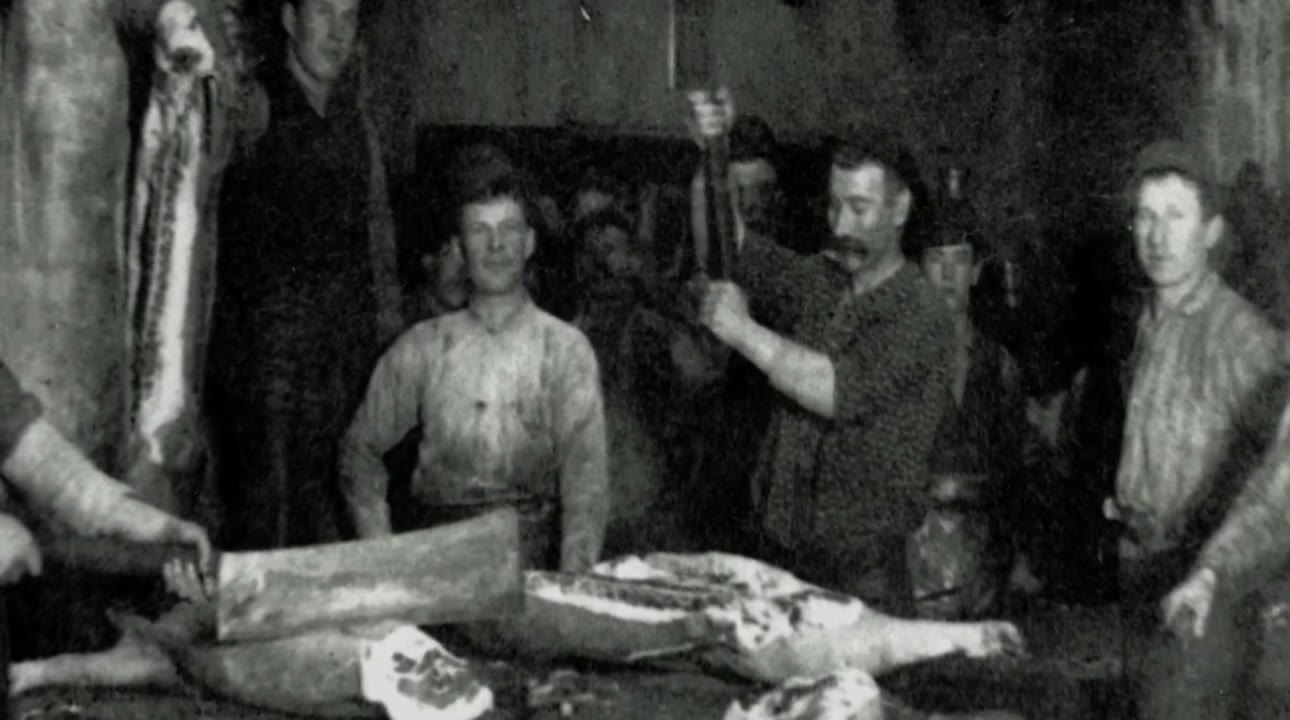
| 1 | 0:00 | 100 years ago, when Upton Sinclair wrote "The Jungle", there was a beef trust that wielded enormous power. | |
| 2 | 0:08 | Immigrants from Eastern Europe were being abused in the absence of any kind of government regulation. | |
| 3 | 0:15 | There were horrible, disfiguring injuries and even deaths. | |
| 4 | 0:22 | Things got better. They slowly got better. | |
| 5 | 0:27 | Teddy Roosevelt took on the beef trust. | |
| 6 | 0:30 | Labor unions slowly organized meatpacking workers and turned it into one of the best industrial jobs in the United States. | |
| 7 | 0:40 | By the 1950s, to be a meatpacking worker was like being an auto worker who has a | |
| 8 | 0:47 | good wage, good benefits, pension. | |
| 9 | 0:50 | And then what happened? | |
| 10 | 0:52 | Well, the meat-packing companies got bigger in order to serve the needs of the fast-food industry, which was its biggest customer. | |
| 11 | 1:00 | Some of the meat-packing companies, like IBP, borrowed the same sort of labor practices from the fast-food industry, | |
| 12 | 1:07 | cutting wages, making sure there were no unions, speeding up production, | |
| 13 | 1:12 | and having the worker do the same task again and again and again. | |
| 14 | 1:15 | And meat-packing is now one of the most dangerous jobs in the United States. | |
| 15 | 1:23 | The meat-packing industry also recruited a new set of immigrants: illegal immigrants and recent immigrants from Mexico. |
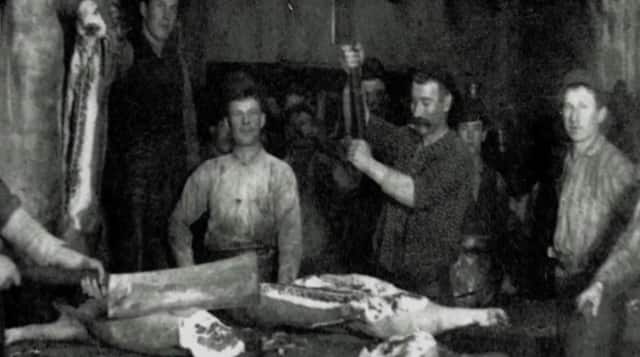
100 years ago, when Upton Sinclair wrote "The Jungle", there was a beef trust that wielded enormous power.
Immigrants from Eastern Europe were being abused in the absence of any kind of government regulation.
No pauses, keep up with the actor
Space play/pause · ← → previous/next line · R replay
Why it's worth practising
The narration moves from historical abuse to earned reform, then pivots toward corporate consolidation and renewed danger. Its controlled escalation gives actors a clean study in tone, pace, and moral urgency.
Eric Schlosser addresses viewers, tracing a century of meatpacking from early abuses and reform to consolidation driven by fast food demand. The stakes are worker safety, union power, and who pays for industrial food.
Delivery tip
Keep the opening history steady, then let the question "And then what happened?" sharpen the turn. The final list should feel accumulated, not rushed.
Phrases in this speech
Sign in to save monologues and keep track of the lines you've practised.
More monologues from Food, Inc.
 B216 lines · 1m 31s
There is an illusion of diversity.
An Illusion of ChoiceFood, Inc. · 2008ReflectivePower & MoneyPollan stays calm while dismantling the supermarket's promise of choice, then lands on a single cornfield. The measured delivery makes it ideal for studying how restraint can carry a thesis. B227 lines · 2m 47s
To watch this beautiful child go from being perfectly healthy to dead in 12 days
A Mother's Preventable LossFood, Inc. · 2008SadFamily BondA mother recounts her son's sudden death from contaminated food, moving from intimate grief to controlled outrage. The emotional restraint makes it a strong piece for grounded, truthful delivery. B214 lines · 1m 27s
Sometimes it does feel like industry was more protected than my son.
A Mother's Unanswered DemandFood, Inc. · 2008SadFamily BondBarbara turns private grief into a public case, moving from raw loss to firm demands for accountability. The piece rewards restrained delivery and clear emotional transitions. C18 lines · 1m 10s
hitting the bull's-eye of the wrong target
Hitting the Wrong TargetFood, Inc. · 2008ReflectiveConfrontationThe speaker starts with cool irony, then widens the lens from cows and corn to human disrespect. The shift gives actors a clean arc from dry wit to moral heat.
More monologues
 C121 lines · 1m 6s
Everything is safe. Everything is careful.
A Cruel Box SeatEscape Room · 2019GrimPower & MoneyThe speaker starts with stinging accusation, then widens into a cold defense of spectacle and cruelty. The shift gives actors a sharp study in controlled contempt and rising menace. C112 lines · 56s
I think all bullets should cost $5,000.
The $5,000 BulletBowling for Columbine · 2002WittyConfrontationChris Rock twists a serious gun debate into escalating absurdity, moving from deadpan proposal to mock outrage. The shift gives performers sharp timing practice and a bold punchline attitude. C19 lines · 23s
Do I have to tell you what kind of knife it was?
Controlled Courtroom FuryThe Lincoln Lawyer · 2011IntenseJustice & RevengeMickey's voice stays eerily controlled while the facts get uglier, then lands a final rhetorical punch. Great for practicing restraint, escalation, and courtroom pressure. C16 lines · 28s
You were supposed to be the witness.
A Witness Left UnharmedYou're Next · 2011CalmConfrontationThe speaker sounds almost reasonable while describing an unforgivable scheme, then snaps into a short question about Zee. It is a sharp study of control, subtext, and sudden alarm.