
Food, Inc. Monologue: Manure in the Meat
And that's how the manure gets in the meat.
· Food, Inc. (2008)
AUDITION CUE SHEET & SCRIPT
Food, Inc. (2008)
Manure in the Meat
Lines: 10 | Words: 131
Time: 0m 55s
Target Pace: 143 WPM
| # | Time | Dialogue & Cue Beats | Acting Notes / Subtext / Blocking |
|---|---|---|---|
| 1 | 0:00 | So you feed corn to cattle and E. coli, which | |
| 2 | 0:06 | is a very common bug, evolves, a certain mutation occurs and a strain called the "E. coli 0157:h7" appears on the world stage. | |
| 3 | 0:17 | And it's a product of the diet we're feeding cattle on feedlots and it's a product of feedlot life. | |
| 4 | 0:24 | The animals stand ankle deep in their manure all day long. | |
| 5 | 0:29 | So if one cow has it, the other cows will get it. | |
| 6 | 0:34 | When they get to the slaughterhouse, their hides are caked with manure. | |
| 7 | 0:40 | And if the slaughterhouse is slaughtering 400 animals an hour, | |
| 8 | 0:43 | how do you keep that manure from getting onto those carcasses? | |
| 9 | 0:48 | And that's how the manure gets in the meat. | |
| 10 | 0:52 | And now this thing that wasn't in the world is in the food system. |
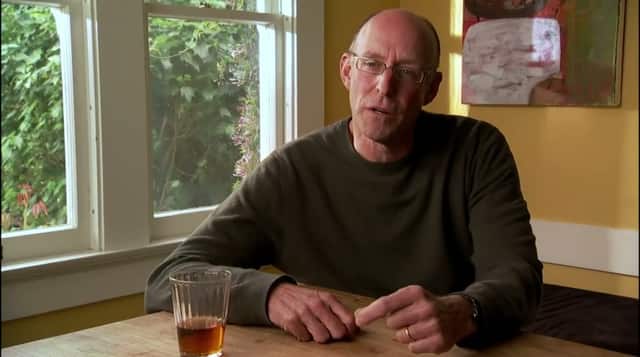
So you feed corn to cattle and E. coli, which
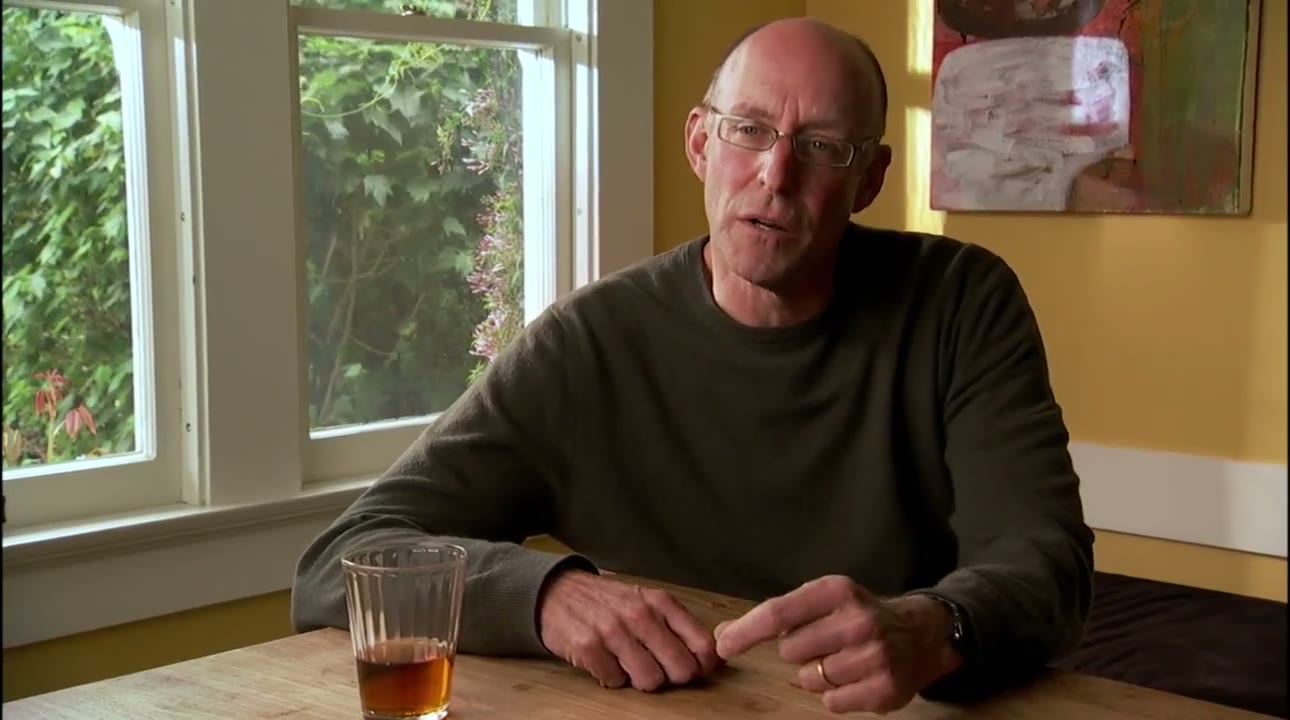
is a very common bug, evolves, a certain mutation occurs and a strain called the "E. coli 0157:h7" appears on the world stage.
No pauses, keep up with the actor
Space play/pause · ← → previous/next line · R replay
Why it's worth practising
The narration builds dread through plain facts, moving from cattle feed to mutation to contaminated carcasses. Its power lies in controlled escalation and precise, unsettling clarity.
A documentary narrator explains to viewers how corn fed cattle create conditions for E. coli mutation. The stakes rise as the explanation reaches slaughterhouses and the food supply.
Delivery tip
Keep the opening matter of fact, then let each link tighten the logic. Land the final phrase with quiet weight so the consequence hits without shouting.
Phrases in this speech
Sign in to save monologues and keep track of the lines you've practised.
More monologues from Food, Inc.
 B216 lines · 1m 31s
There is an illusion of diversity.
An Illusion of ChoiceFood, Inc. · 2008ReflectivePower & MoneyPollan stays calm while dismantling the supermarket's promise of choice, then lands on a single cornfield. The measured delivery makes it ideal for studying how restraint can carry a thesis. B227 lines · 2m 47s
To watch this beautiful child go from being perfectly healthy to dead in 12 days
A Mother's Preventable LossFood, Inc. · 2008SadFamily BondA mother recounts her son's sudden death from contaminated food, moving from intimate grief to controlled outrage. The emotional restraint makes it a strong piece for grounded, truthful delivery. B214 lines · 1m 27s
Sometimes it does feel like industry was more protected than my son.
A Mother's Unanswered DemandFood, Inc. · 2008SadFamily BondBarbara turns private grief into a public case, moving from raw loss to firm demands for accountability. The piece rewards restrained delivery and clear emotional transitions. C18 lines · 1m 10s
hitting the bull's-eye of the wrong target
Hitting the Wrong TargetFood, Inc. · 2008ReflectiveConfrontationThe speaker starts with cool irony, then widens the lens from cows and corn to human disrespect. The shift gives actors a clean arc from dry wit to moral heat.
More monologues
 B26 lines · 25s
you are the only ones who can do it
Phase Two UltimatumSplice · 2009DeterminedWorkplace PersuasionThe speaker trades grand ambition for a blunt production demand, giving actors a clean shift from polite agreement to controlled pressure. It is sharp material for studying persuasive corporate tone. B27 lines · 34s
A watched pot never boils
Quantum Lesson With a Wry JabEscape Room · 2019WittyDramedyA dry classroom aside shifts from familiar proverb to eerie quantum rule, giving actors a clean arc from casual wit to precise authority. B213 lines · 1m 15s
Something is wrong in this country
A Father's Quiet OutrageBowling for Columbine · 2002DeterminedHeartbreak & GriefA grieving father moves from personal loss to public accusation, then lands on resolve. The shift from controlled sorrow to blunt moral certainty gives actors a precise change to play. B29 lines · 22s
I couldn't believe that I actually... Could represent an innocent man.
Doubting the InnocentThe Lincoln Lawyer · 2011VulnerableIdentity & GrowthThe speaker starts with brisk inward blame, then admits he may have failed an innocent client. The shift from legal certainty to private doubt gives actors a tight study in restraint, rhythm, and regret.