
David Attenborough's Natural History Museum Alive Monologue: Dead as a Dodo, and Fake
But in spite of its fame, this one is a fake.
· David Attenborough's Natural History Museum Alive (2014)
AUDITION CUE SHEET & SCRIPT
David Attenborough's Natural History Museum Alive (2014)
Dead as a Dodo, and Fake
Lines: 32 | Words: 344
Time: 3m 20s
Target Pace: 103 WPM
| # | Time | Dialogue & Cue Beats | Acting Notes / Subtext / Blocking |
|---|---|---|---|
| 1 | 0:00 | Our understanding of the mastodon is a lot more accurate today, thanks to Professor Owen. | |
| 2 | 0:09 | But it was not the only creature in this museum to be the victim of misrepresentation. | |
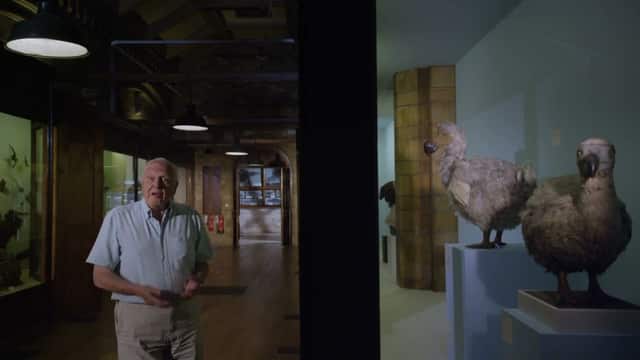
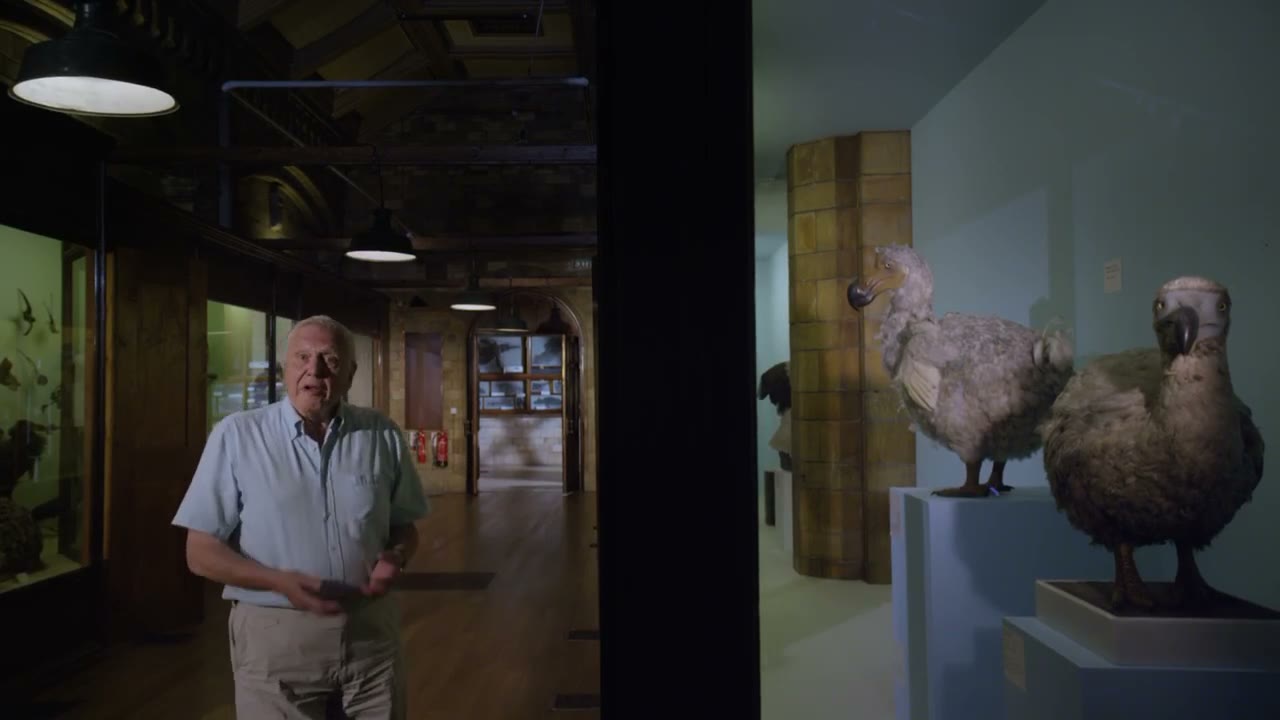
| 3 | 0:17 | This poor old bird is a dodo. | |
| 4 | 0:22 | It once lived on the island of Mauritius in the Indian Ocean. | |
| 5 | 0:26 | And it's almost certainly the first animal species that human beings actually exterminated | |
| 6 | 0:33 | in historic times. | |
| 7 | 0:36 | And so now we talk about being "as dead as a dodo." | |
| 8 | 0:42 | But in spite of its fame, this one is a fake. | |
| 9 | 0:49 | Its feathers come from a goose; its feet were modelled on a turkey, | |
| 10 | 0:54 | and its beak, I suspect, is plaster. | |
| 11 | 1:00 | The museum can be forgiven because no skin or feathers of the dodo survive. | |
| 12 | 1:07 | Its image was influenced by pictures like this one, | |
| 13 | 1:15 | but he had never seen a living dodo and based his image on accounts by seafarers. | |
| 14 | 1:22 | I've often wondered whether dodos actually looked like that, | |
| 15 | 1:27 | but unfortunately, they'd all disappeared before anyone could get a good look at them... | |
| 16 | 1:33 | ...until now. | |
| 17 | 1:45 | This funny, dumpy creature is how the bird is usually represented these days. | |
| 18 | 1:54 | But I've seen quite a lot of flightless birds over the years and this one doesn't quite ring true. | |
| 19 | 2:05 | An examination of the way its thighs join its pelvis | |
| 20 | 2:10 | has shown that, in life, it actually stood much more upright. | |
| 21 | 2:21 | We now know that its feathers were probably a lot fluffier than in that painting. | |
| 22 | 2:27 | We also now know that it was related to the pigeon, | |
| 23 | 2:31 | and some experts suggest that it made a pigeon-like call: | |
| 24 | 2:36 | "Doo-doo, doo-doo", | |
| 25 | 2:38 | which gave the bird its name. | |
| 26 | 2:44 | The dodo probably fed on fruit; there's a lot of it on the island. | |
| 27 | 2:50 | I'll try him with a bit. Come on. | |
| 28 | 2:57 | What do you make of that? | |
| 29 | 3:00 | Ow! That's a very powerful beak. | |
| 30 | 3:05 | In fact, it may well have been adapted for crushing shells and crustaceans for the sake of the calcium. | |
| 31 | 3:12 | "And there's a female." | |
| 32 | 3:16 | Maybe she is another reason why they had such large beaks: to show off with during courtship. |
Our understanding of the mastodon is a lot more accurate today, thanks to Professor Owen.
But it was not the only creature in this museum to be the victim of misrepresentation.
No pauses, keep up with the actor
Space play/pause · ← → previous/next line · R replay
Why it's worth practising
Attenborough moves from dry wit to genuine wonder, taking a museum exhibit apart piece by piece while inviting you to question what you see. A relaxed, precise narration model.
Standing beside the museum's dodo, Attenborough recalls that humans wiped the species out, then reveals the specimen itself is built from goose feathers, turkey feet and plaster.
Delivery tip
Keep the tone light and conversational through the build-up, then slow down just before "this one is a fake" so the reveal lands with quiet weight.
Phrases in this speech
Sign in to save monologues and keep track of the lines you've practised.
More monologues from David Attenborough's Natural History Museum Alive
 B252 lines · 5m 27s
It's hard to imagine a time when the world didn't know about dinosaurs
A Tooth Rewrites the WorldDavid Attenborough's Natural History Museum Alive · 2014ReflectiveInspirationalThe piece builds from a tiny odd tooth to a rewritten view of prehistoric life, giving the narrator a clean arc from curiosity to awe. Its measured explanations leave room for precise emphasis and quiet wonder. B26 lines · 39s
certain ancient animals that we'll never see with our own eyes
Extinct Creatures, Quiet WonderDavid Attenborough's Natural History Museum Alive · 2014ReflectiveInspirationalAttenborough moves from familiar wildlife to creatures no one can ever see alive, letting curiosity and a dry hint of suspicion build the scene. The measured pacing is ideal for studying documentary narration and restrained emphasis.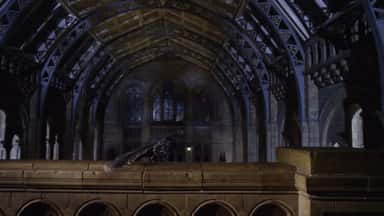 B210 lines · 1m
This creature was half reptile, half bird.
Half Reptile, Half BirdDavid Attenborough's Natural History Museum Alive · 2014CalmIdentity & GrowthWonder builds line by line as bone marks, muscle anchors and skull scans turn a static fossil into a creature caught mid-evolution, giving actors a clean model for patient, evidence-led persuasion.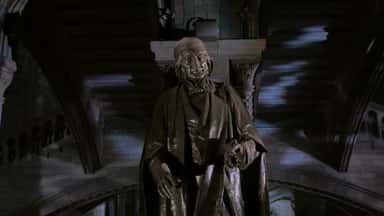 B213 lines · 1m 26s
This was no myth.
From Myth to MoaDavid Attenborough's Natural History Museum Alive · 2014ReflectiveDramaticA cool scientific account gathers real suspense as legend becomes evidence and a question hangs in the air. It rewards controlled pacing, precise emphasis, and quiet awe.
More monologues
 B26 lines · 25s
you are the only ones who can do it
Phase Two UltimatumSplice · 2009DeterminedWorkplace PersuasionThe speaker trades grand ambition for a blunt production demand, giving actors a clean shift from polite agreement to controlled pressure. It is sharp material for studying persuasive corporate tone. B27 lines · 34s
A watched pot never boils
Quantum Lesson With a Wry JabEscape Room · 2019WittyDramedyA dry classroom aside shifts from familiar proverb to eerie quantum rule, giving actors a clean arc from casual wit to precise authority. B213 lines · 1m 15s
Something is wrong in this country
A Father's Quiet OutrageBowling for Columbine · 2002DeterminedHeartbreak & GriefA grieving father moves from personal loss to public accusation, then lands on resolve. The shift from controlled sorrow to blunt moral certainty gives actors a precise change to play. B29 lines · 22s
I couldn't believe that I actually... Could represent an innocent man.
Doubting the InnocentThe Lincoln Lawyer · 2011VulnerableIdentity & GrowthThe speaker starts with brisk inward blame, then admits he may have failed an innocent client. The shift from legal certainty to private doubt gives actors a tight study in restraint, rhythm, and regret.