
❝ Monologues · 5 lines · B1
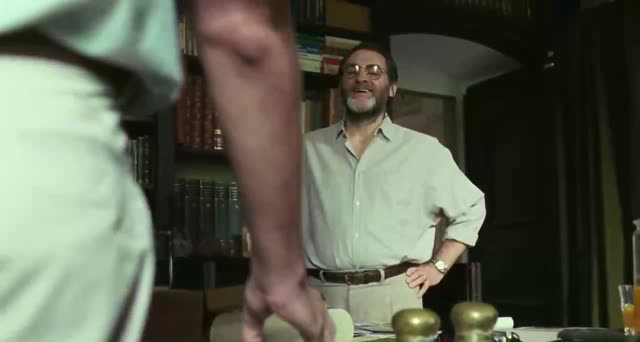
The word "apricot" comes from the Arabic.
The Etymology of Apricot · Call Me by Your Name (2017)
Audition Cue SheetFree & unlimited after sign-in140 WPM24s5 cues
AUDITION CUE SHEET & SCRIPT
Call Me by Your Name (2017)
The Etymology of Apricot
Lines: 5 | Words: 56
Time: 0m 24s
Target Pace: 140 WPM
| # | Time | Dialogue & Cue Beats | Acting Notes / Subtext / Blocking |
|---|---|---|---|
| 1 | 0:00 | The word "apricot" comes from the Arabic. | |
| 2 | 0:05 | It's like the words "algebra," "alchemy," "alcohol." | |
| 3 | 0:08 | It derives from an Arabic noun combined with the Arabic article "al" before it. | |
| 4 | 0:12 | The origin of our Italian albicocca is al-barquq. | |
| 5 | 0:17 | It's amazing that today in Israel and many Arab countries, the fruit's referred to by a totally different name, Mismish. |
WinkLingo Actor Audition Toolkit • Call Me by Your NameTarget Delivery: 140 WPM • Printed for Rehearsal
The word "apricot" comes from the Arabic.
Line 1 of 5
It's like the words "algebra," "alchemy," "alcohol."
No pauses, keep up with the actor
Space play/pause · ← → previous/next line · R replay
Why it's worth practising
The professor's rhythmic and educational delivery makes it perfect for practicing academic lecturing tones.
Make shadowing a habit
Sign in to save monologues and keep track of the lines you've practised.
Sign up freeMore monologues from Call Me by Your Name
 B15 lines · 31s
The ship went down in 1827 on the way to Isola del Garda.
The History of the StatueCall Me by Your Name · 2017This passage features rapid, information-dense academic narration which is excellent for practicing rhythm and intonation. B110 lines · 1m 26s
I can't remember where we left off, but I think you'll like this one.
The Knight's DilemmaCall Me by Your Name · 2017The rhythmic, storytelling cadence of the fairy tale passage is perfect for practicing narrative intonation. B17 lines · 22s
This is my spot. It's all mine.
My Favorite Reading SpotCall Me by Your Name · 2017The gentle, descriptive pace is perfect for practicing natural rhythm and intonation.
More monologues
 B15 lines · 17s
You see that cockroach?
The cockroach speechPaths of Glory · 1957A bug becomes a mirror for his own death, and the calm makes it worse. B14 lines · 11s
I don't like the look of this, fred.
Condition RedDr. Strangelove or: How I Learned to Stop Worrying and Love the Bomb · 1964Staccato orders turn anxiety into command—brusque, paranoid, decisive.